
DbcultAccessing Vault...
Director's Spotlight
Senior Film Conservator
Director's Spotlight: United States
A Deep Dive into the 1914 Vision of George L. Sargent
Peeling back the layers of George L. Sargent's A Gentleman from Mississippi exposes the collaborative alchemy between George L. Sargent and the 1914 creative team. Anchored by a narrative that is both personal and universal, it reinforces the idea that cinema is a medium of infinite possibilities.
In A Gentleman from Mississippi, George L. Sargent pushes the boundaries of conventional narrative. The film's unique approach to its subject matter has sparked endless debates and interpretations among cinephiles and critics alike.
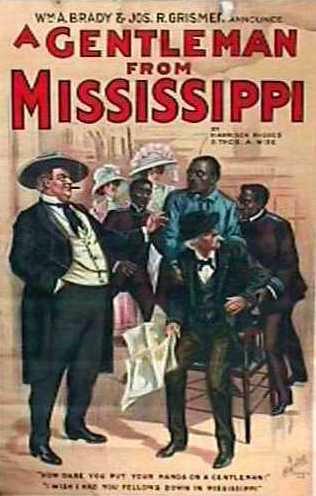
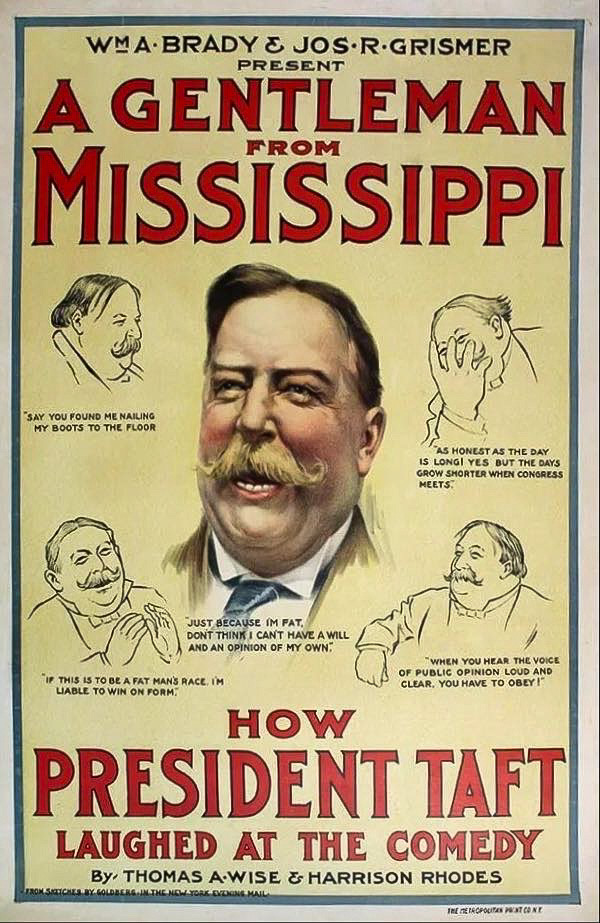
While deeply rooted in United States, A Gentleman from Mississippi has achieved a global reach, influencing directors from various backgrounds. Its ability to translate cult tropes into a universal cinematic language is why it remains a cult staple decades after its 1914 release.
| Cinematography | High-Contrast |
| Soundtrack | Experimental |
| Editing | Invisible |
| Art Direction | Kitsch |
Visualizing the convergence of George L. Sargent's style and the core cult narrative.
William H. Langdon has been elected senator from Mississippi, and reaches the national capital with the experience in big politics that might be expected of a man who has lived his life on a plantation forty miles from a railroad. With him are his two fair daughters, Carolina and Hope. He has scarcely reached his hotel when he hires "Bud" Haines, a newspaper man, as his secretary. Charles Norton, representative from Mississippi, James Stevens, senior Senator, and Horatio Peabody, senator from Pennsylvania, are interested in a scheme to have a naval station located at Altacola, Miss., and they need the assistance of the new senator. They have purchased all the land in the neighborhood and plan to dispose of it to the government at their own price after the bill is put through. In order to insure his support Norton induces Langdon's son to invest $30,000 in Altacola and also puts in the fortune left the Senator's daughter by her mother. He is the girl's accepted suitor, by the way. Haines, in the meantime, has been a thorn in the side of the crooks, but by reporting to each that the other has played false and invested money in the land project, they bring about an estrangement between him and Langdon, which is set right by Hope Langdon telling Haines, with whom she is in love, of the plot. Langdon and Haines find they have been duped and the man from Mississippi decides to balk the thieves, even if it ruins his family. The story comes to a right ending by Langdon stepping into the Senate to make his maiden speech, denouncing the intended fraud, and declaring that he and the conspirators bought up the land to save the national treasury from being looted after having discovered a conspiracy in another quarter to commit the holdup. Before this important event he has compelled the two rascally senators to come to his way of thinking through fear of exposure. Congressman Norton is sent on his way in disgrace. Haines, again secretary, is engaged to wed Hope.
Decades after its release, A Gentleman from Mississippi remains a vital piece of the cinematic puzzle. Its influence can be seen in countless modern works, solidifying George L. Sargent's status as a master of the craft in United States and beyond.