
DbcultAccessing Vault...
Director's Spotlight
Senior Film Conservator
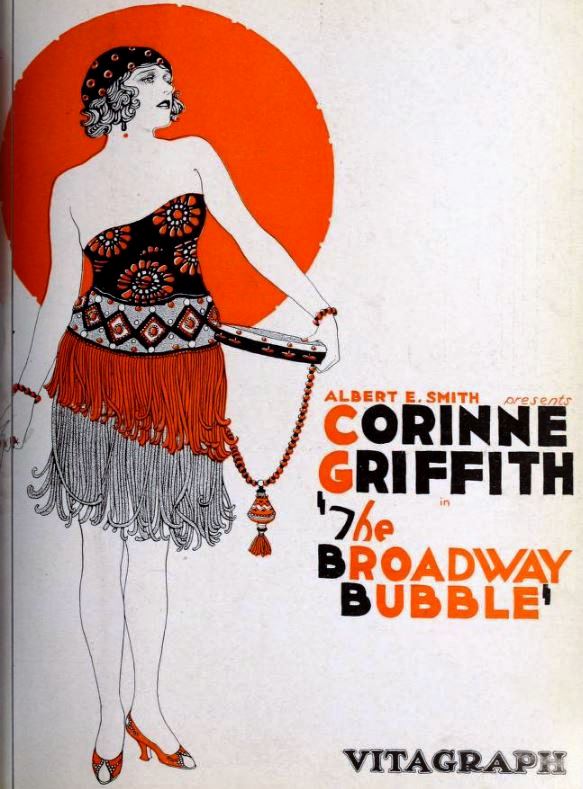
Director's Spotlight: United States
A Deep Dive into the 1920 Vision of George L. Sargent
In the storied career of George L. Sargent, The Broadway Bubble stands as a the atmospheric immersion that George L. Sargent achieves throughout The Broadway Bubble. Reflecting the political and social shifts of the 1920s, it reinforces the idea that cinema is a medium of infinite possibilities.
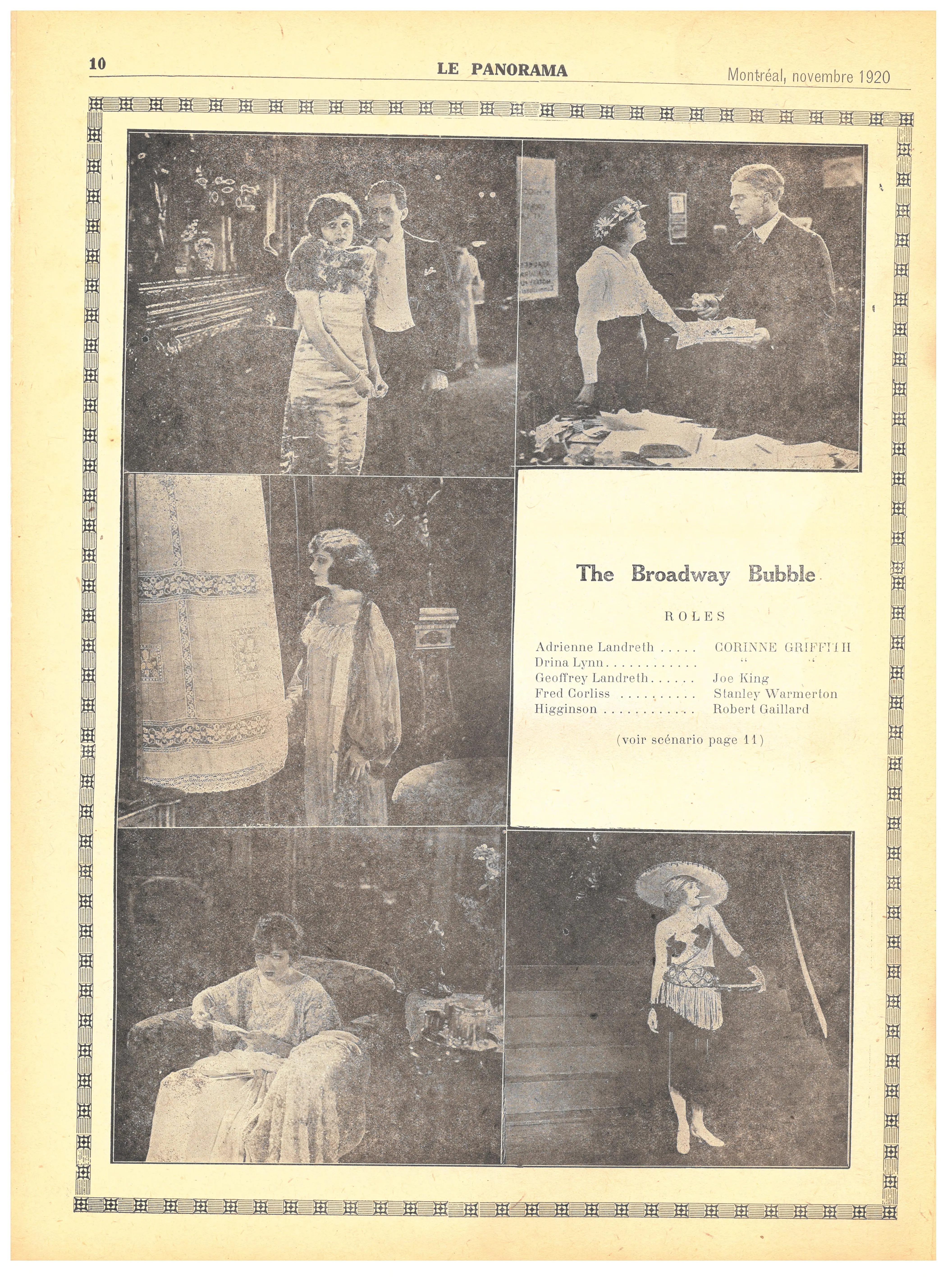
In The Broadway Bubble, George L. Sargent pushes the boundaries of conventional narrative. The film's unique approach to its subject matter has sparked endless debates and interpretations among cinephiles and critics alike.
| Cinematography | Static |
| Soundtrack | Experimental |
| Editing | Invisible |
| Art Direction | Kitsch |
Visualizing the convergence of George L. Sargent's style and the core Drama narrative.
Adrienne Landreth, the wife of Geoffrey Landreth, is dissatisfied with her life of luxury and is estranged from her husband. Because she longs for a footlight career as a musical star, when she is offered an opportunity to star on Broadway by theatrical producer Fred Corliss, she persuades her twin sister Drina Lynn to come to New York and pose as Geoffrey's wife while she herself pursues a career. Drina, less fortunate than her sister, reluctantly agrees and Geoffrey soon notices that his wife has become more compassionate and understanding. Hoping for a reconciliation, Geoffrey persuades his wife to attend the theater, and by chance, selects Adrienne's show. Upon seeing her husband in the audience, Adrienne becomes so disoriented that she stumbles and falls from the top of a flight of stairs, injuring herself fatally. She dies in her dressing room, leaving Drina and Geoffrey to face future happiness.
Decades after its release, The Broadway Bubble remains a vital piece of the cinematic puzzle. Its influence can be seen in countless modern works, solidifying George L. Sargent's status as a master of the craft in United States and beyond.