
DbcultAccessing Vault...
Director's Spotlight
Senior Film Conservator
Director's Spotlight: United States
A Deep Dive into the 1915 Vision of George L. Sargent
Witnessing the stylistic transformation of cult through The Call of the Dance reveals the global recognition that George L. Sargent garnered after the release of The Call of the Dance. Serving as a mirror to the anxieties of a changing world, offering layers of thematic complexity that demand repeated viewing.
In The Call of the Dance, George L. Sargent pushes the boundaries of conventional narrative. The film's unique approach to its subject matter has sparked endless debates and interpretations among cinephiles and critics alike.
| Cinematography | Deep Focus |
| Soundtrack | Diegetic |
| Editing | Rhythmic |
| Art Direction | Naturalist |
Visualizing the convergence of George L. Sargent's style and the core cult narrative.
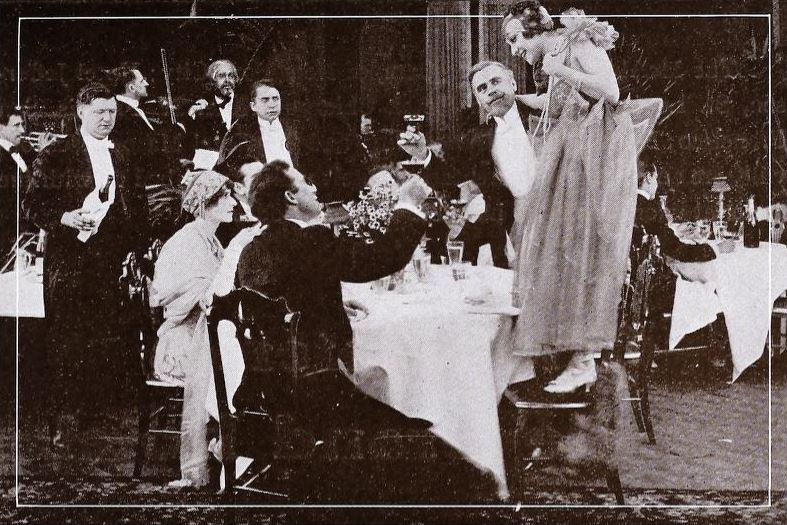
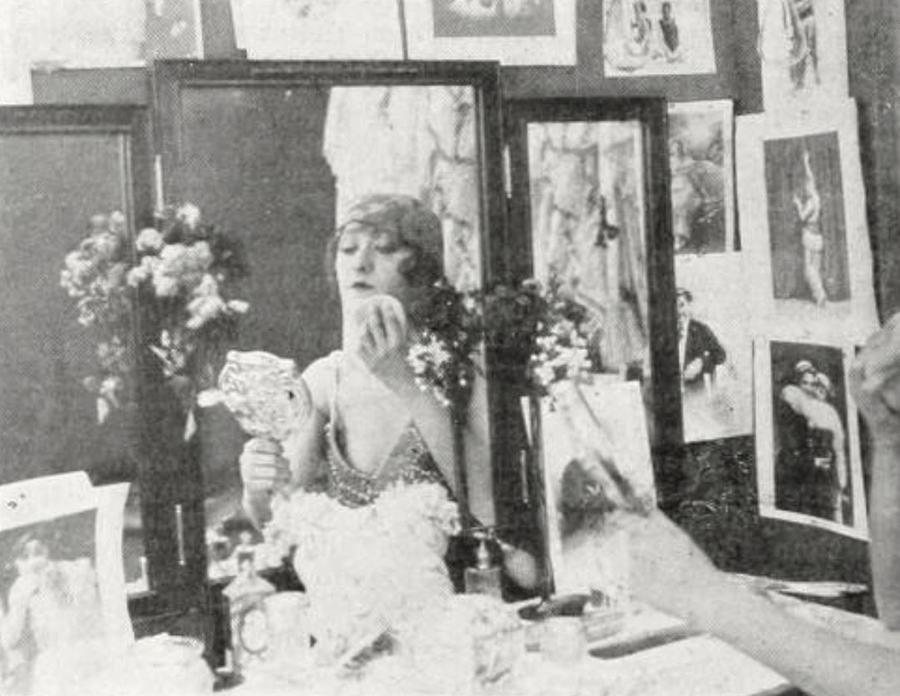
Jim Hall tries to discourage his daughter Natalie's love of dancing, but the girl finds a warm friend in old Carlo, a musician. Natalie's beauty attracts Brace's attention. At the latter's orders, Spud Howell kidnaps the girl. Hall, attempting to interfere, is slain. Marston, assistant district attorney, is ignorant of the fact that his uncle, Fisk, is the head of the vice ring. Marston discovers Natalie's predicament and rescues her. Falling in love with the girl, he obtains a position for her in a friend's office. Natalie resigns when her employer later makes love to her. The girl lands a position in the chorus of a musical comedy company. Her dancing attracts the manager's attention and when the principal falls ill, Natalie takes her place. The girl's wonderful dancing makes her famous. Marston, who had lost track of Natalie, finds her again when he visits the theater. Fisk, madly in love with the girl, invites her to a dinner he is giving. Carlo, employed at the restaurant where this function is held, recognizes in Fisk the man who had blasted his life. When Natalie and Fisk's friends accompany the man to his apartment, Carlo follows. Marston trails the party in an auto. Later, Fisk contrives to get Natalie alone. Marston, hearing the girl's cries for help, batters down the door. He comes in time to see Carlo, who had climbed through a window, shoot the girl's assailant. Brace, in coming to his master's assistance, shoots at Marston but misses and kills Carlo. While the murderer is placed under arrest, Marston takes Natalie in his arms.
Decades after its release, The Call of the Dance remains a vital piece of the cinematic puzzle. Its influence can be seen in countless modern works, solidifying George L. Sargent's status as a master of the craft in United States and beyond.