
DbcultAccessing Vault...
Director's Spotlight
Senior Film Conservator
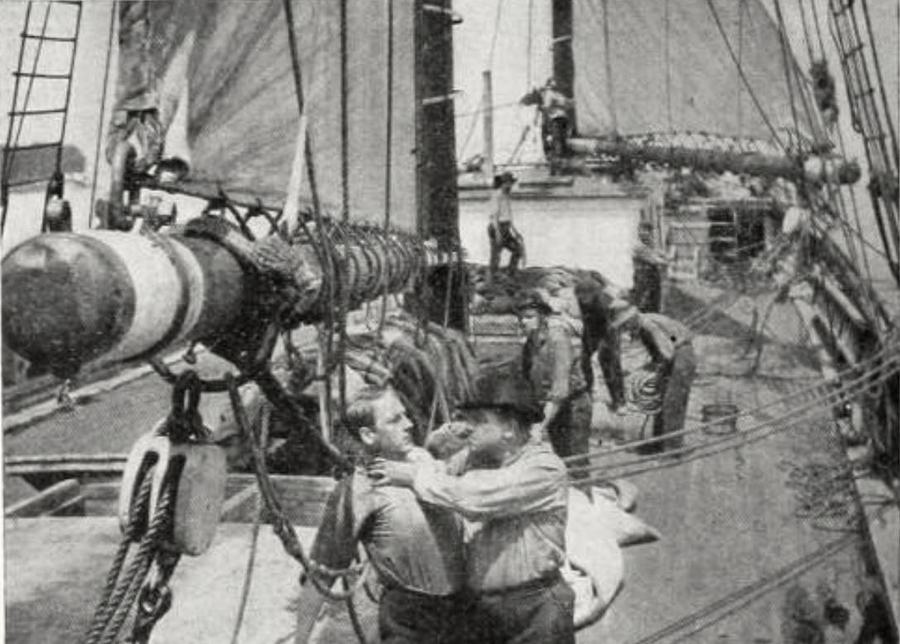
Director's Spotlight: United States
A Deep Dive into the 1915 Vision of George Lessey
The brilliance of The Suburban (1915) is inseparable from the visionary mind of its creator, George Lessey. Serving as a mirror to the anxieties of a changing world, it persists as a haunting reminder of our own cinematic history.
In The Suburban, George Lessey pushes the boundaries of conventional narrative. The film's unique approach to its subject matter has sparked endless debates and interpretations among cinephiles and critics alike.
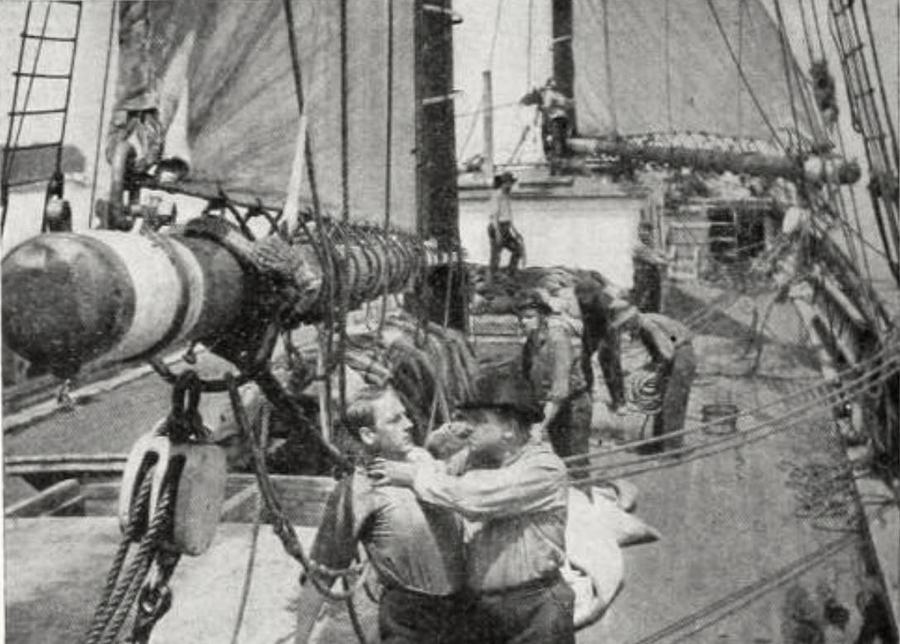
The visual language of The Suburban is defined by its use of shadows and framing, a hallmark of George Lessey's style. By utilizing a 1915-era palette, the film creates an immersive experience that perfectly complements its cult themes.
| Cinematography | Static |
| Soundtrack | Orchestral |
| Editing | Invisible |
| Art Direction | Kitsch |
Visualizing the convergence of George Lessey's style and the core cult narrative.
Robert Gordon, wealthy stock owner, has a home near Sheepshead Bay. His son, Donald, loves the lodge-keeper's daughter. Gordon is informed that Sir Ralph Gordon and his sister are to visit them. Gordon gets the idea that Donald should marry Helen, and tells him so. Donald, however, is not interested, and later marries Alice, the lodge-keeper's daughter. The guests arrive. Ralph covets Alice. He is a gambler, and begins playing in Thurston's faro joint, finally falling into Thurston's power. Gordon tries to force matters and Donald tells of his marriage with Alice. Donald's father disinherits him and the boy, leaving home, takes the stocks and bonds willed him by his mother. He leaves a note for his father and does not close the safe. Sir Ralph, to pay Thurston, takes a large amount of money from the open safe, and Hyde, the butler, catches him and gets a written confession from him. Donald hunts work and leaves Alice in the care of Joe, the stable boy, who is ever her guardian angel. The time or the Suburban arrives, and Gordon puts all of his fortune on the race. Sir Ralph plots with Tom, the jockey, to throw the race and let Thurston's horse win, thereby evening up Ralph's I.O.U.'s to Thurston. Tom, the jockey, thwarted by Joe while trying to give the powder to Gordon's horse, fights with him and is worsted. In another city, Donald sees in the newspapers that his father has staked his fortune on the race and decides to go back. He receives a letter from Joe and immediately leaves for his home. There he finds Ralph making love to Alice, and after a thrashing, Sir Ralph is ejected from the house. The day of the great race arrives and Donald goes to the course. There he finds that Tom has been bribed to throw the race for Thurston's horse, and after a heated argument with his father, who doubts that Donald tells the truth, he substitutes Joe to ride his horse and wins the race. Later they go to the house. In the meantime Sir Ralph receives a note from Hyde demanding money or he (Hyde) will turn over Sir Ralph's written confession to Gordon. Ralph kills Hyde as Don and Alice come upon the scene, but before dying Hyde manages to get the paper to Donald who takes it to his father. The police bring on Ralph and a big scene ensues. Sir Ralph asks to be allowed time to get his coat, and in his absence the father makes everything right with Donald and Alice. They hear a shot and. rushing to the hall, find Ralph stretched dead on the floor.
Decades after its release, The Suburban remains a vital piece of the cinematic puzzle. Its influence can be seen in countless modern works, solidifying George Lessey's status as a master of the craft in United States and beyond.