
DbcultAccessing Vault...
Director's Spotlight
Senior Film Conservator
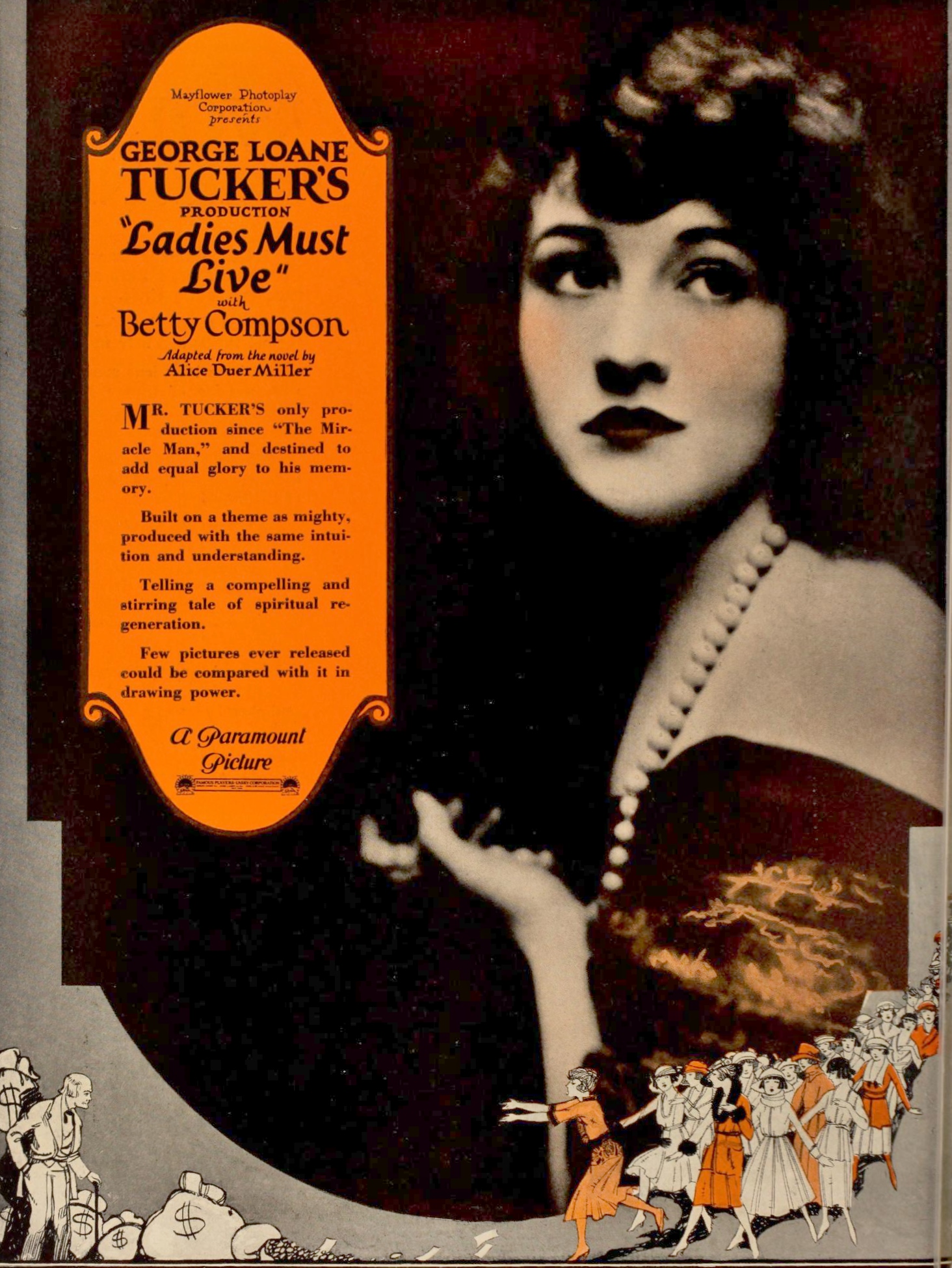
Director's Spotlight: United States
A Deep Dive into the 1921 Vision of George Loane Tucker
Witnessing the stylistic transformation of Romance through Ladies Must Live reveals the provocative questions that George Loane Tucker poses to the United States audience. Exploring the nuances of the human condition with Romance flair, it showcases the power of Romance as a tool for social commentary.
In Ladies Must Live, George Loane Tucker pushes the boundaries of conventional narrative. The film's unique approach to its subject matter has sparked endless debates and interpretations among cinephiles and critics alike.
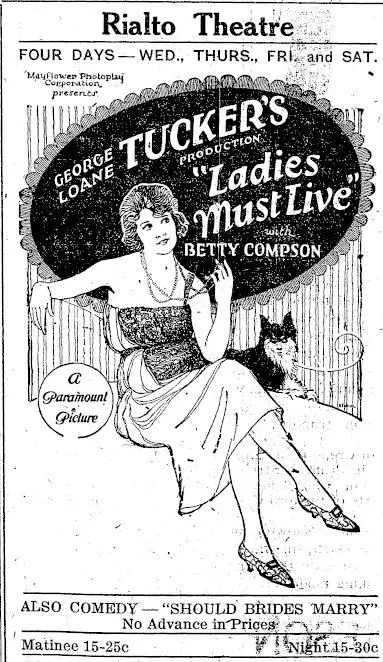
While deeply rooted in United States, Ladies Must Live has achieved a global reach, influencing directors from various backgrounds. Its ability to translate Romance tropes into a universal cinematic language is why it remains a cult staple decades after its 1921 release.
| Cinematography | Deep Focus |
| Soundtrack | Experimental |
| Editing | Elliptical |
| Art Direction | Expressionist |
Visualizing the convergence of George Loane Tucker's style and the core Romance narrative.
Schooled by her wealthy brother-in-law William Hollins, Christine Bleeker plans to marry Ralph Lincourt when he is divorced. He, however, is equally pursued by Nancy Barron, whom Christine dislikes. Ned Klegg loves social secretary Barbara, and resents the attention paid her by Barron, Nancy's elderly husband. Nell Martin, a servant in the Hollins home, is in love with the gardener but is persecuted by the butler. Aviator Mulvain and his mechanic Le Prim arrive, and Le Prim absconds with Nancy in an auto, pursued by Mulvain and Christine, who force him to release her. Christine announces her engagement to Mulvain, who declares he is a poor man. In the resulting commotion, it transpires that Nell, threatened with exposure, has drowned herself. The shock brings a change of emotion: Barbara rejects Barron and accepts Klegg, and Christine accepts Mulvain, content to share his poverty.
Decades after its release, Ladies Must Live remains a vital piece of the cinematic puzzle. Its influence can be seen in countless modern works, solidifying George Loane Tucker's status as a master of the craft in United States and beyond.