
DbcultAccessing Vault...
Director's Spotlight
Senior Film Conservator
Director's Spotlight: United Kingdom
A Deep Dive into the 1915 Vision of George Loane Tucker
Peeling back the layers of George Loane Tucker's The Middleman exposes the collaborative alchemy between George Loane Tucker and the 1915 creative team. Anchored by a narrative that is both personal and universal, it reinforces the idea that cinema is a medium of infinite possibilities.
In The Middleman, George Loane Tucker pushes the boundaries of conventional narrative. The film's unique approach to its subject matter has sparked endless debates and interpretations among cinephiles and critics alike.
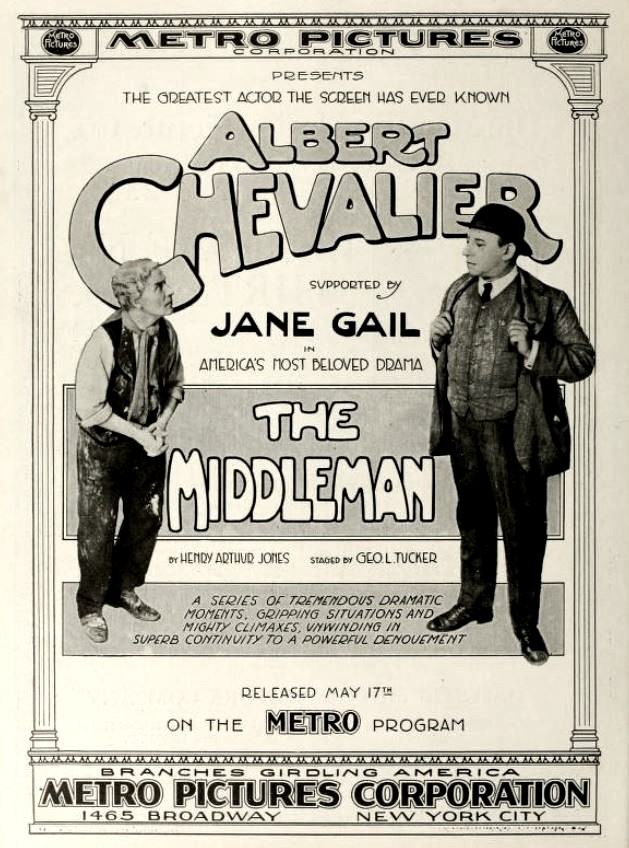
To fully appreciate The Middleman, one must consider the cinematic climate of 1915. During this period, United Kingdom was undergoing significant artistic shifts, and George Loane Tucker was at the forefront of this cult movement, often challenging established norms.
| Cinematography | High-Contrast |
| Soundtrack | Diegetic |
| Editing | Elliptical |
| Art Direction | Expressionist |
Visualizing the convergence of George Loane Tucker's style and the core cult narrative.
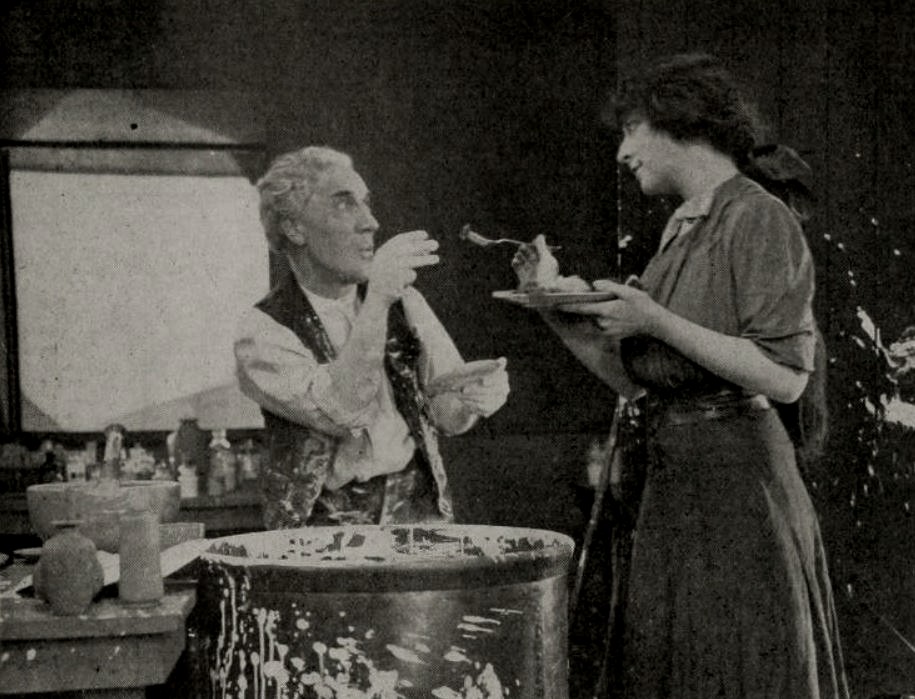
Joseph Chandler, owner of the Tatlow Potteries is in serious financial trouble and is about to be closed down by his creditors, which will mean the ruin of the small town. Cyrus Blenkarn, an employee, has discovered a new transparent glaze that will revolutionize the industry, which Chandler pays him fifty pound for, uses it to new funding from his creditors, and takes all the credit for being the savior of the town. Blenkarn vows revenge and it comes, via a discovery in South Africa.
Decades after its release, The Middleman remains a vital piece of the cinematic puzzle. Its influence can be seen in countless modern works, solidifying George Loane Tucker's status as a master of the craft in United Kingdom and beyond.