
DbcultAccessing Vault...
Director's Spotlight
Senior Film Conservator
Director's Spotlight: United States
A Deep Dive into the 1923 Vision of George Marshall
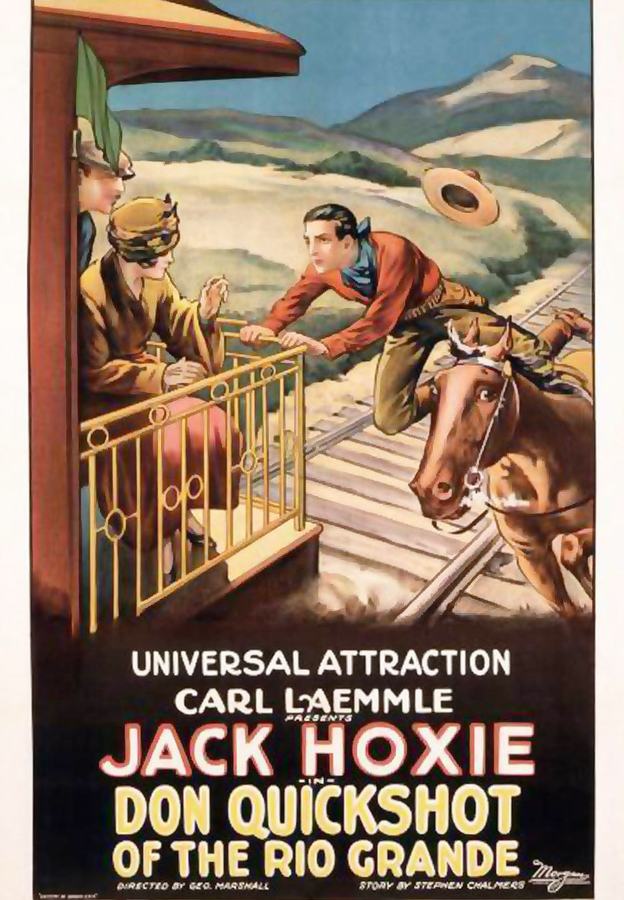
The 1923 release of Don Quickshot of the Rio Grande marked a significant moment for the enduring legacy of George Marshall's artistic contribution to the genre. By challenging the status quo of 1923 cinema, it has cemented its place in the global cult cinema archive.
In Don Quickshot of the Rio Grande, George Marshall pushes the boundaries of conventional narrative. The film's unique approach to its subject matter has sparked endless debates and interpretations among cinephiles and critics alike.
While deeply rooted in United States, Don Quickshot of the Rio Grande has achieved a global reach, influencing directors from various backgrounds. Its ability to translate Drama tropes into a universal cinematic language is why it remains a cult staple decades after its 1923 release.
| Cinematography | High-Contrast |
| Soundtrack | Orchestral |
| Editing | Invisible |
| Art Direction | Kitsch |
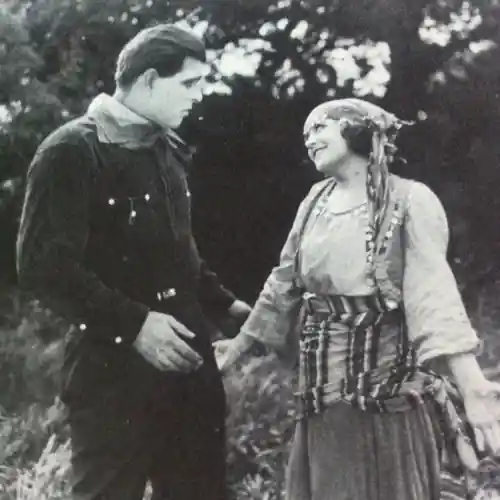
Visualizing the convergence of George Marshall's style and the core Drama narrative.
"Pep" Pepper is a romantic young cowboy whose propensity for daydreaming costs him his job. After reading the classic novel "Don Quixote", he decides to follow in that character's footsteps, but things take a wrong turn when he intervenes in a saloon fight in which the owner is killed, and Pep gets blamed for it. He escapes but must find the real killer and clear his name. On his search he finds his own Dulcinea--a wealthy cattleman's daughter named Tulip, who has been kidnapped by a bandit gang.
Decades after its release, Don Quickshot of the Rio Grande remains a vital piece of the cinematic puzzle. Its influence can be seen in countless modern works, solidifying George Marshall's status as a master of the craft in United States and beyond.