
DbcultAccessing Vault...
Director's Spotlight
Senior Film Conservator
Director's Spotlight: United States
A Deep Dive into the 1931 Vision of George Marshall
To understand the modern evolution of United States film, one must first look at How I Play Golf, by Bobby Jones No. 10: 'Trouble Shots' and the meticulous attention to detail that George Marshall applied to every frame. Reflecting the political and social shifts of the 1931s, it showcases the power of Sport as a tool for social commentary.
In How I Play Golf, by Bobby Jones No. 10: 'Trouble Shots', George Marshall pushes the boundaries of conventional narrative. The film's unique approach to its subject matter has sparked endless debates and interpretations among cinephiles and critics alike.
In this work, George Marshall explores the intersection of Sport and United States cultural identity. The meticulous attention to detail suggests a deep-seated commitment to pushing the boundaries of the medium, ensuring that How I Play Golf, by Bobby Jones No. 10: 'Trouble Shots' remains a relevant topic of study for Sport enthusiasts.
| Cinematography | Deep Focus |
| Soundtrack | Experimental |
| Editing | Elliptical |
| Art Direction | Expressionist |
Visualizing the convergence of George Marshall's style and the core Sport narrative.
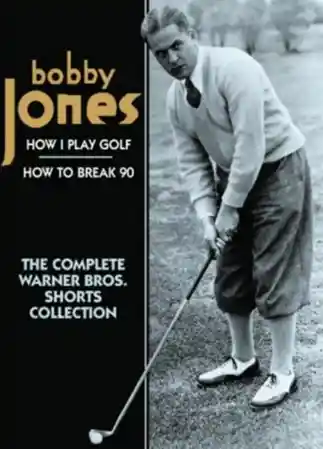
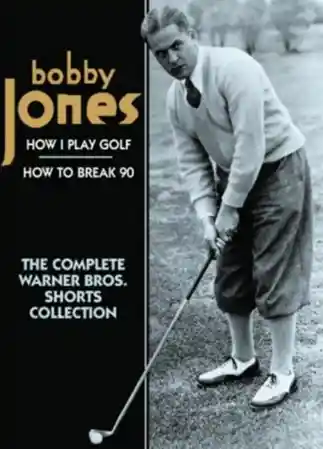
Actors Douglas Fairbanks Jr., Edward G. Robinson, and Joe E. Brown are on the links the same time as golf pro, Bobby Jones. Brown bets his two actor friends, who accept the wager, that he can beat Jones on the links, on the caveat that Jones plays Brown's drives and visa versa. Brown's belief is that Jones never gets into trouble, thus he won't know how to get himself out of trouble, which is what Brown himself always gets himself into in his always-errant drives. As such, Jones demonstrates how to get oneself out of trouble positions, including: driving from the light rough behind a tree, chipping out of a dry gully, chipping out of deep rough, chipping when the ball is nestled right against a tree trunk, chipping out of the lip of a sand trap, chipping out of the shallows of a water trap, and how to sink a putt when another ball is in the way.
Decades after its release, How I Play Golf, by Bobby Jones No. 10: 'Trouble Shots' remains a vital piece of the cinematic puzzle. Its influence can be seen in countless modern works, solidifying George Marshall's status as a master of the craft in United States and beyond.