
DbcultAccessing Vault...
Director's Spotlight
Senior Film Conservator
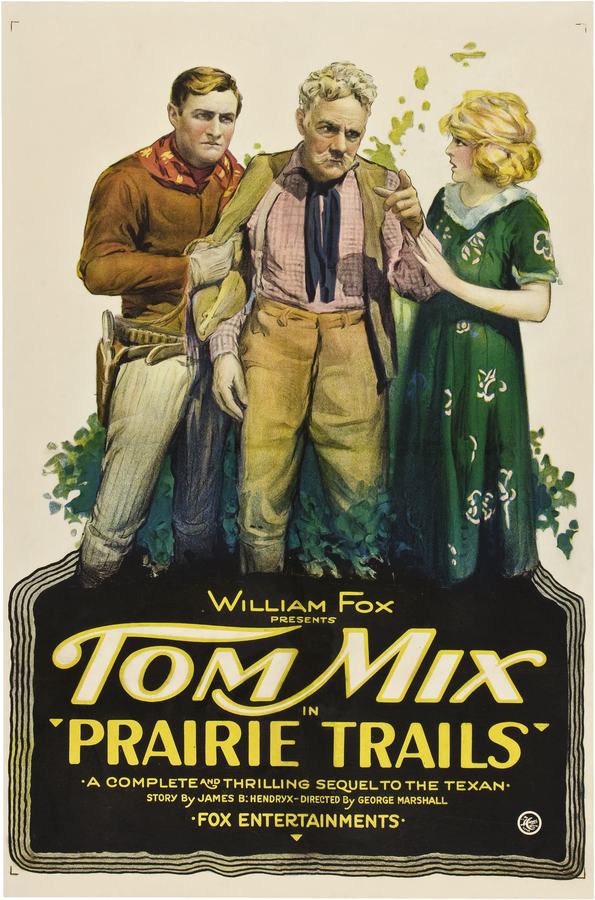
Director's Spotlight: United States
A Deep Dive into the 1920 Vision of George Marshall
The enduring fascination with Prairie Trails is a testament to the artistic risks taken by George Marshall that eventually paid off. Challenging the viewer to find meaning in the Western shadows, it reminds us of the fragility and beauty of the 1920s.
In Prairie Trails, George Marshall pushes the boundaries of conventional narrative. The film's unique approach to its subject matter has sparked endless debates and interpretations among cinephiles and critics alike.
| Cinematography | Deep Focus |
| Soundtrack | Orchestral |
| Editing | Invisible |
| Art Direction | Kitsch |
Visualizing the convergence of George Marshall's style and the core Western narrative.
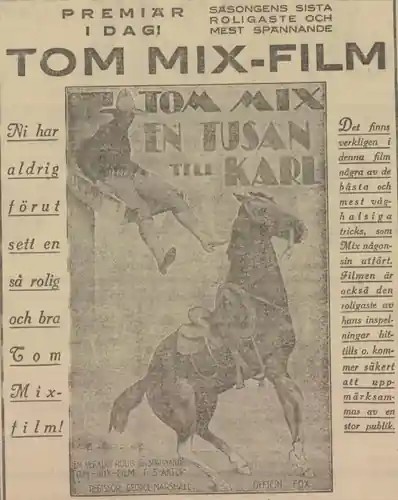
Tex Benton, a cowboy from Texas, is in love with Janet McWhorter, the daughter of a sheep rancher. Mr. McWhorter is willing to let Tex marry Janet if he lives on the ranch and tends sheep, which Tex finds objectionable. After a fight in the town saloon, he rides off, rescuing Alice Endicott from the back of a runaway horse as he is being pursued by the town badman, Jack Purdy. There is a series of complications, including Purdy's kidnapping of Janet and the general belief Tex has kidnapped Alice. Finally, in a daring feat, Tex swings from a tree on a mountainside and saves Janet. They soon marry.
Decades after its release, Prairie Trails remains a vital piece of the cinematic puzzle. Its influence can be seen in countless modern works, solidifying George Marshall's status as a master of the craft in United States and beyond.