
DbcultAccessing Vault...
Director's Spotlight
Senior Film Conservator
Director's Spotlight: United States
A Deep Dive into the 1919 Vision of George Marshall
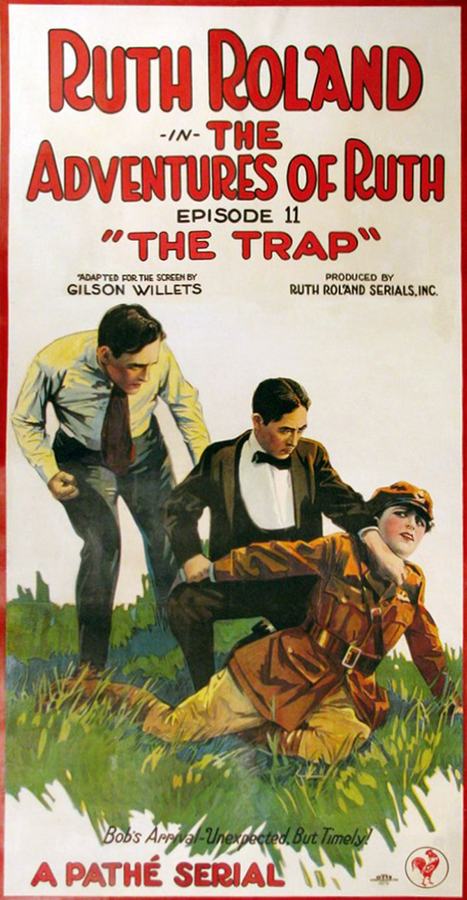
As we revisit the 1919 masterpiece The Adventures of Ruth, we are struck by the meticulous attention to detail that George Marshall applied to every frame. Anchored by a narrative that is both personal and universal, it bridges the gap between traditional cult and contemporary vision.
In The Adventures of Ruth, George Marshall pushes the boundaries of conventional narrative. The film's unique approach to its subject matter has sparked endless debates and interpretations among cinephiles and critics alike.
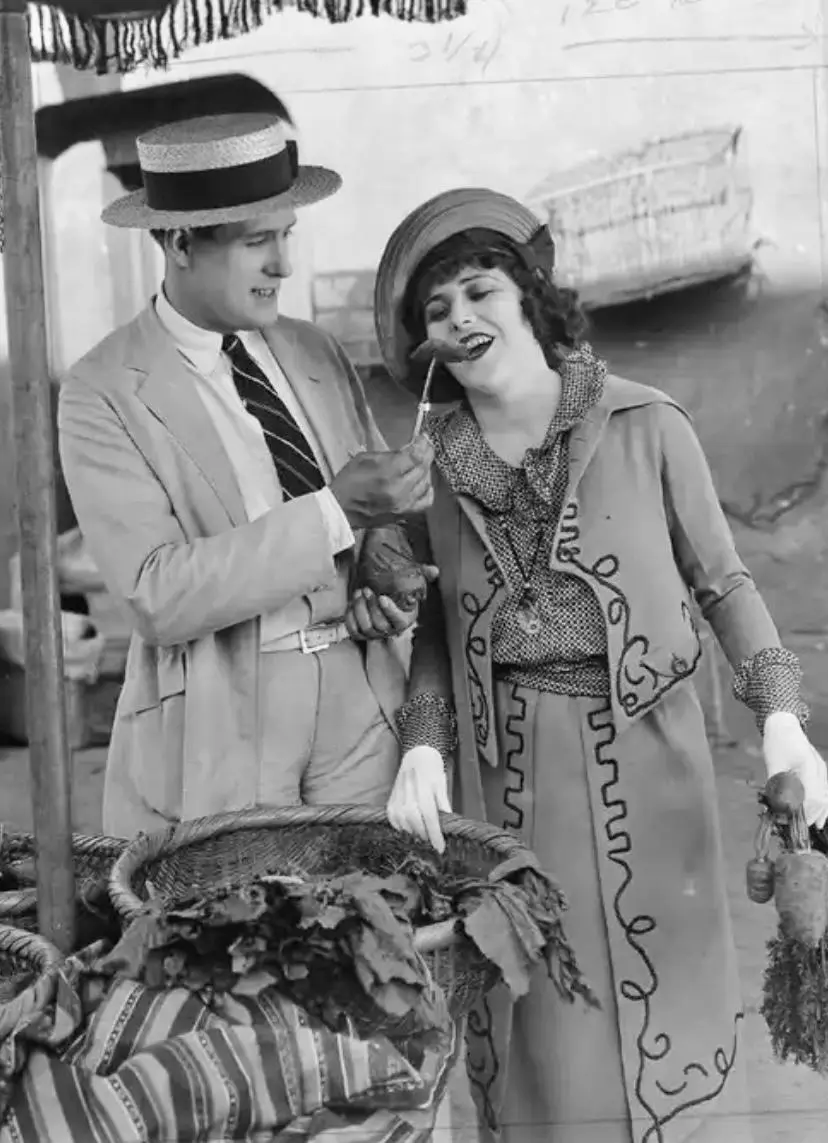
While deeply rooted in United States, The Adventures of Ruth has achieved a global reach, influencing directors from various backgrounds. Its ability to translate cult tropes into a universal cinematic language is why it remains a cult staple decades after its 1919 release.
| Cinematography | High-Contrast |
| Soundtrack | Experimental |
| Editing | Elliptical |
| Art Direction | Expressionist |
Visualizing the convergence of George Marshall's style and the core cult narrative.
Ruth Robin is the daughter of a millionaire, and is attending a seminary for girls at the time the story opens. Her father, Daniel Robin, is a recluse and lives in perpetual fear of death at the hands of a criminal band known as the "Terrible Thirteen." He has been forced Into membership of this band against his will. Daniel Robin is shot from behind by LaFarge, the leader of the "Terrible Thirteen," who is known as the Hound. While on his death bed Mr. Robin has his daughter summoned. He tells her in the presence of his trusted butler, Wayman, that she must recover a Peacock Fan stolen by the band, as it contains a secret affecting her. She must also accept thirteen separate keys as they are handed to her by an unknown hand, and follow the Instructions in each instance. Ruth agrees to these terms, and after her father's death starts out on the first mission. It takes her to the home of the Countess Zitka, where she finds the Peacock Fan. Later, she is forced to invade the headquarters of the "Terrible Thirteen," and still later another key takes her into the heart of Chinatown.
Decades after its release, The Adventures of Ruth remains a vital piece of the cinematic puzzle. Its influence can be seen in countless modern works, solidifying George Marshall's status as a master of the craft in United States and beyond.