
DbcultAccessing Vault...
Director's Spotlight
Senior Film Conservator
Director's Spotlight: United States
A Deep Dive into the 1929 Vision of George Marshall
The artistic breakthrough represented by Tomato Omelette in 1929 highlights the uncompromising vision of George Marshall that defines this Comedy masterpiece. In the context of United States's rich cinematic history, it captures a specific kind of cinematic magic that is rarely replicated.
In Tomato Omelette, George Marshall pushes the boundaries of conventional narrative. The film's unique approach to its subject matter has sparked endless debates and interpretations among cinephiles and critics alike.
| Cinematography | High-Contrast |
| Soundtrack | Diegetic |
| Editing | Rhythmic |
| Art Direction | Naturalist |
Visualizing the convergence of George Marshall's style and the core Comedy narrative.
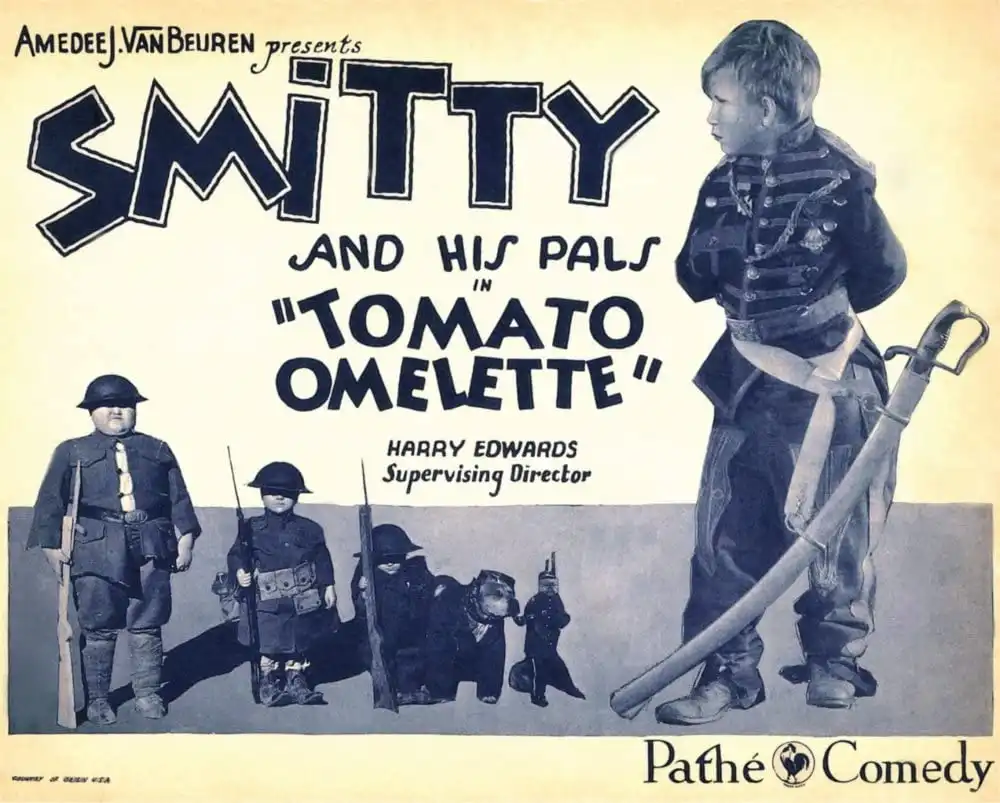
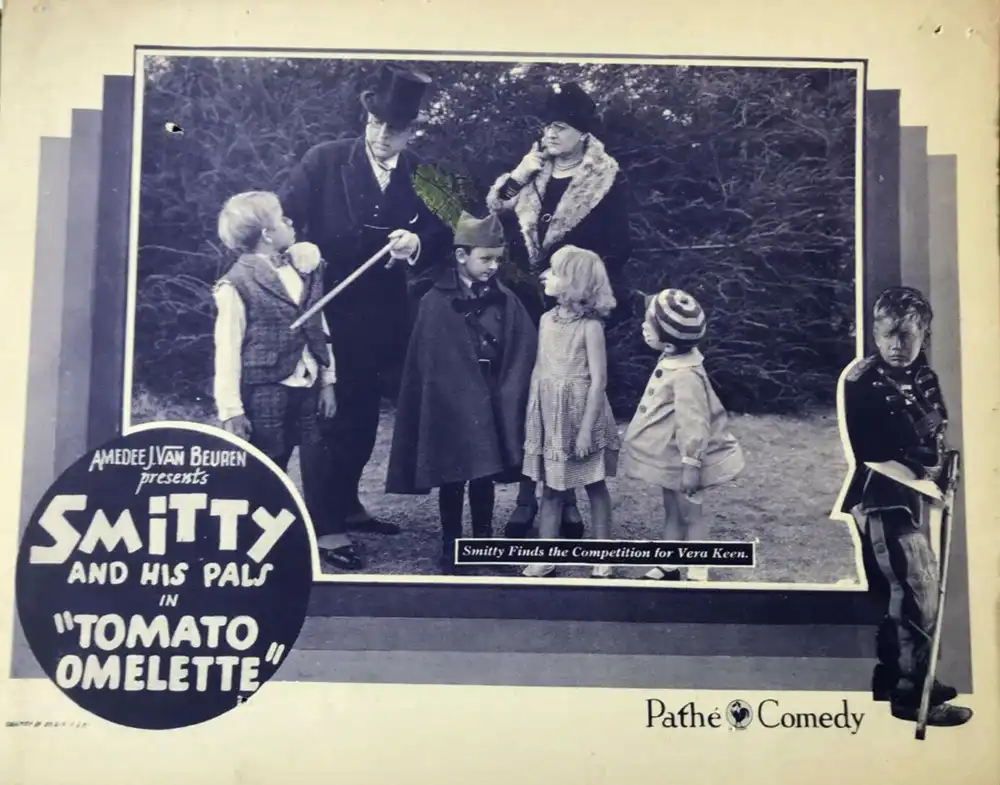
Smitty, a trifle deaf, believes everything corporal Winterbottom of The Old Soldiers Home tells him. He decides to be an army leader. His pals are agreeable. Vera falls for Dick who possesses a snappy military academy uniform, Smitty's cohorts, out of jealousy, gets busy and bedeck themselves in what may be termed 'uniforms.' Each soldier has a decidedly different uniform. Naturally, a battle is in the offing. A truckload of ripe tomatoes passes. Immediately heavy artillery gets going. The result is an epic carnage, rivaling such mere historical byplays as Bunker Hill, Gettysburg and Verdun.
Decades after its release, Tomato Omelette remains a vital piece of the cinematic puzzle. Its influence can be seen in countless modern works, solidifying George Marshall's status as a master of the craft in United States and beyond.