
DbcultAccessing Vault...
Director's Spotlight
Senior Film Conservator
Director's Spotlight: United States
A Deep Dive into the 1922 Vision of George Melford
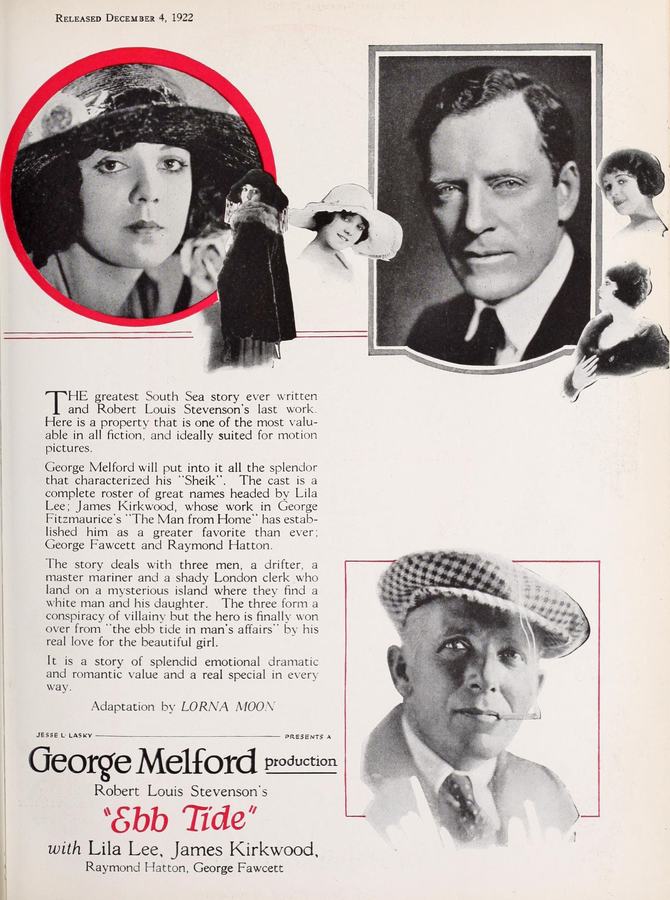
Few works in United States cinema carry the same weight as Ebb Tide, especially regarding the cultural zeitgeist captured so perfectly by George Melford in 1922. Utilizing a 1922-specific aesthetic that remains timeless, it serves as a blueprint for future generations of Drama directors.
In Ebb Tide, George Melford pushes the boundaries of conventional narrative. The film's unique approach to its subject matter has sparked endless debates and interpretations among cinephiles and critics alike.
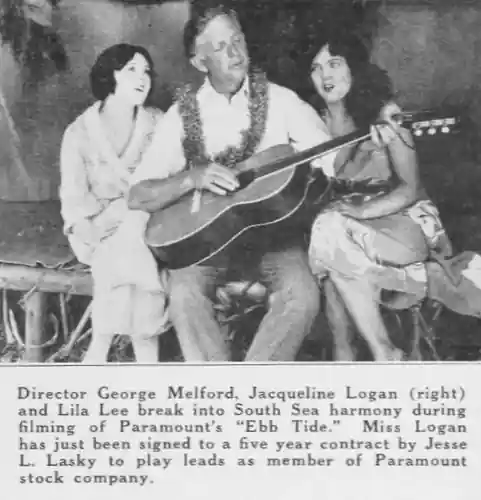
While deeply rooted in United States, Ebb Tide has achieved a global reach, influencing directors from various backgrounds. Its ability to translate Drama tropes into a universal cinematic language is why it remains a cult staple decades after its 1922 release.
| Cinematography | Static |
| Soundtrack | Minimalist |
| Editing | Disjunctive |
| Art Direction | Baroque |
Visualizing the convergence of George Melford's style and the core Drama narrative.
Captain Davis, Robert Herrick, and J. L. Huish--three failures on a derelict ship--visit an island on which pearl concessionaire Richard Attwater and his daughter, Ruth, are the only white inhabitants. Davis and Huish plan to steal Attwater's pearls, while Herrick falls in love with Ruth, but they all meet Attwater's wrath when he becomes aware of their intentions. Huish is consumed in flames; a mast crushes Attwater; Herrick and Ruth escape both a burning ship and an octopus attack, and find romance.
Decades after its release, Ebb Tide remains a vital piece of the cinematic puzzle. Its influence can be seen in countless modern works, solidifying George Melford's status as a master of the craft in United States and beyond.