
DbcultAccessing Vault...
Director's Spotlight
Senior Film Conservator
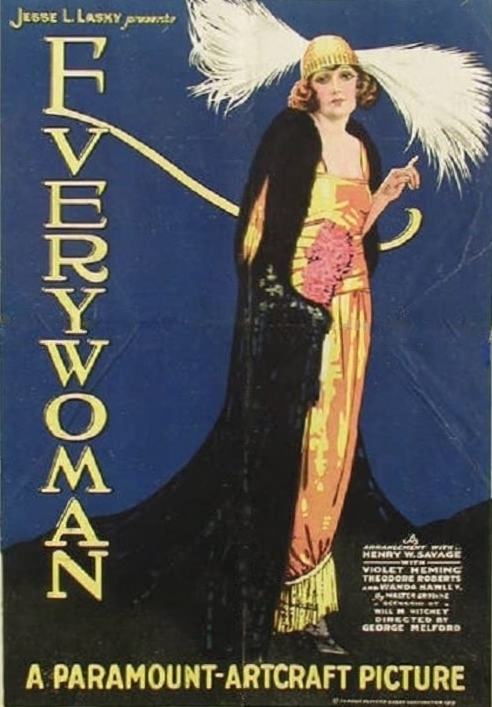
Director's Spotlight: United States
A Deep Dive into the 1919 Vision of George Melford
When we examine the cinematic landscape of United States, Everywoman emerges as a landmark work of the enduring legacy of George Melford's artistic contribution to the genre. Through a lens of existential fatalism and cult tropes, it captures a specific kind of cinematic magic that is rarely replicated.
In Everywoman, George Melford pushes the boundaries of conventional narrative. The film's unique approach to its subject matter has sparked endless debates and interpretations among cinephiles and critics alike.
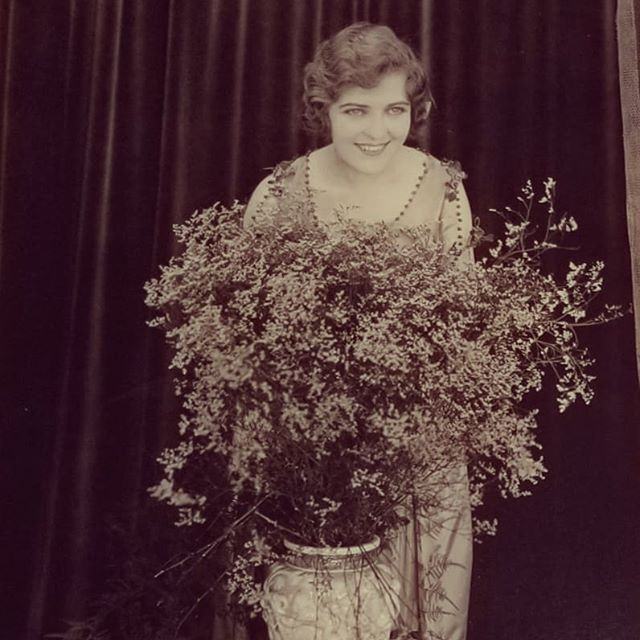
To fully appreciate Everywoman, one must consider the cinematic climate of 1919. During this period, United States was undergoing significant artistic shifts, and George Melford was at the forefront of this cult movement, often challenging established norms.
| Cinematography | Handheld |
| Soundtrack | Orchestral |
| Editing | Invisible |
| Art Direction | Kitsch |
Visualizing the convergence of George Melford's style and the core cult narrative.
A girl auctioning a kiss at a charity bazaar is offered a chance to become an actress by two stage managers. After getting advice from three girlfriends, she awakens the next morning as Everywoman. Her friends have become Modesty, Youth, and Beauty, and the stage managers have become Bluff and Stuff. She turns down a proposal from a struggling physician after Flattery convinces her to go on the Stage of Life and seek Love. When she mistakes Passion, an actor, for Love, Modesty leaves her, but she rejects Passion when she discovers that he wants her only when Beauty and Youth are present. Passion has Dissipation steal Beauty, whereupon Bluff and Stuff desert Everywoman. After losing Youth to Time, Everywoman tries to sell herself to Wealth, a millionaire, but he spurns her. With Nobody as her only friend, she follows Truth home where she discovers the son of Truth, the physician, is the Love she seeks. Modesty returns soon followed by Beauty.
Decades after its release, Everywoman remains a vital piece of the cinematic puzzle. Its influence can be seen in countless modern works, solidifying George Melford's status as a master of the craft in United States and beyond.