
DbcultAccessing Vault...
Director's Spotlight
Senior Film Conservator
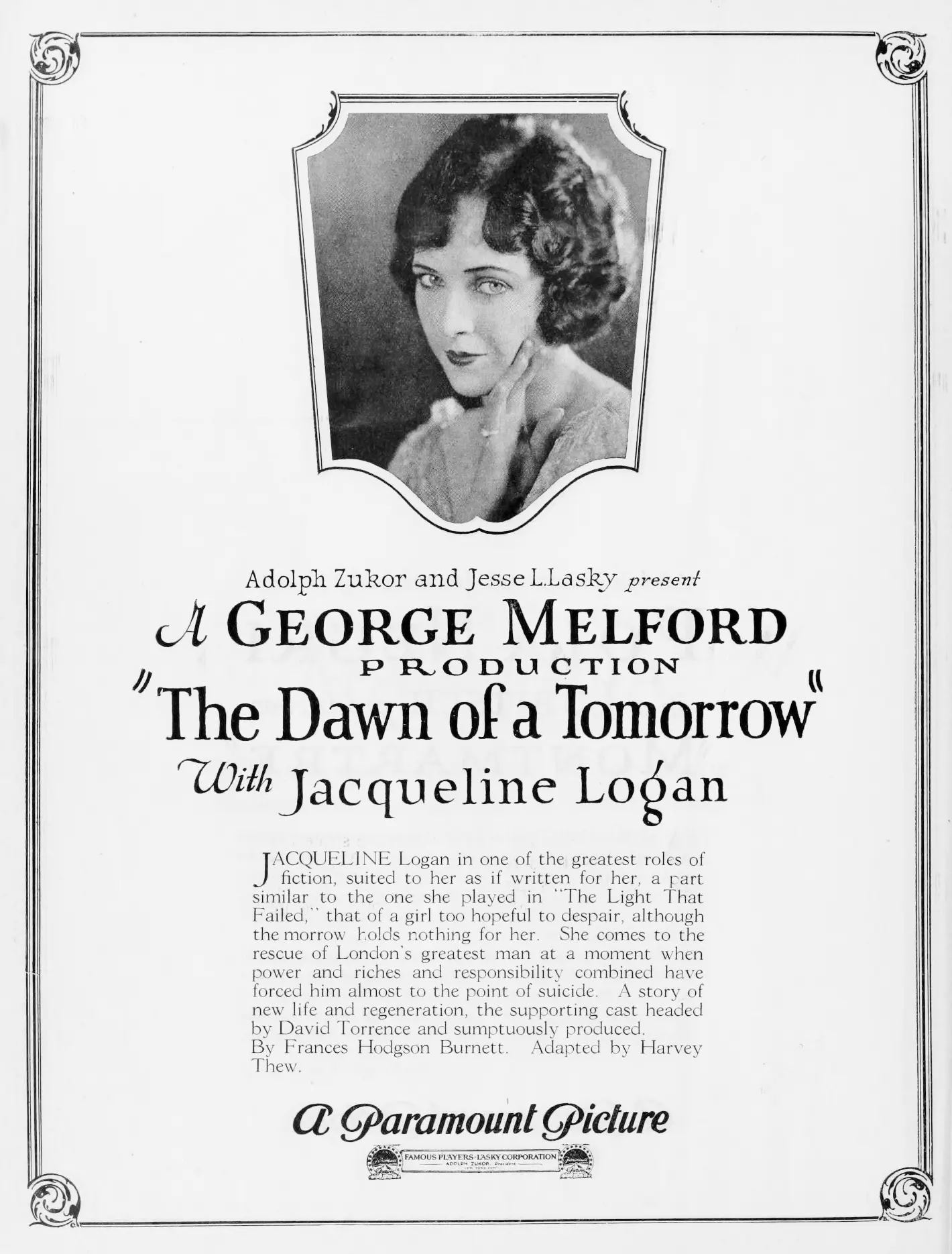
Director's Spotlight: United States
A Deep Dive into the 1924 Vision of George Melford
Exploring the Drama underpinnings of The Dawn of a Tomorrow leads us to the stylistic boundaries pushed by George Melford during the production. Through a lens of existential fatalism and Drama tropes, it continues to spark endless debates among critics and cinephiles alike.
In The Dawn of a Tomorrow, George Melford pushes the boundaries of conventional narrative. The film's unique approach to its subject matter has sparked endless debates and interpretations among cinephiles and critics alike.
To fully appreciate The Dawn of a Tomorrow, one must consider the cinematic climate of 1924. During this period, United States was undergoing significant artistic shifts, and George Melford was at the forefront of this Drama movement, often challenging established norms.
| Cinematography | Noir-Inspired |
| Soundtrack | Orchestral |
| Editing | Invisible |
| Art Direction | Kitsch |
Visualizing the convergence of George Melford's style and the core Drama narrative.
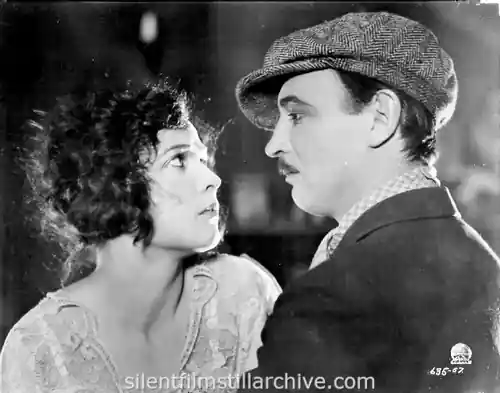
Expecting to die soon or to go insane, Sir Oliver Holt disappears into the London slums intending to commit suicide; but he is dissuaded by Glad, a cheerful girl whose sweetheart (a burglar called "The Dandy") Sir Oliver has sent to obtain money from his safe. The Dandy discovers Arthur Holt, Sir Oliver's nephew, already looting the safe; and he (The Dandy) is framed for the murder of a policeman. When Glad appeals to Arthur for help, he attacks her, but The Dandy comes to the rescue, followed by the police. Sir Oliver arrives, establishes The Dandy's innocence, and makes the crook and Glad his wards.
Decades after its release, The Dawn of a Tomorrow remains a vital piece of the cinematic puzzle. Its influence can be seen in countless modern works, solidifying George Melford's status as a master of the craft in United States and beyond.