
DbcultAccessing Vault...
Director's Spotlight
Senior Film Conservator
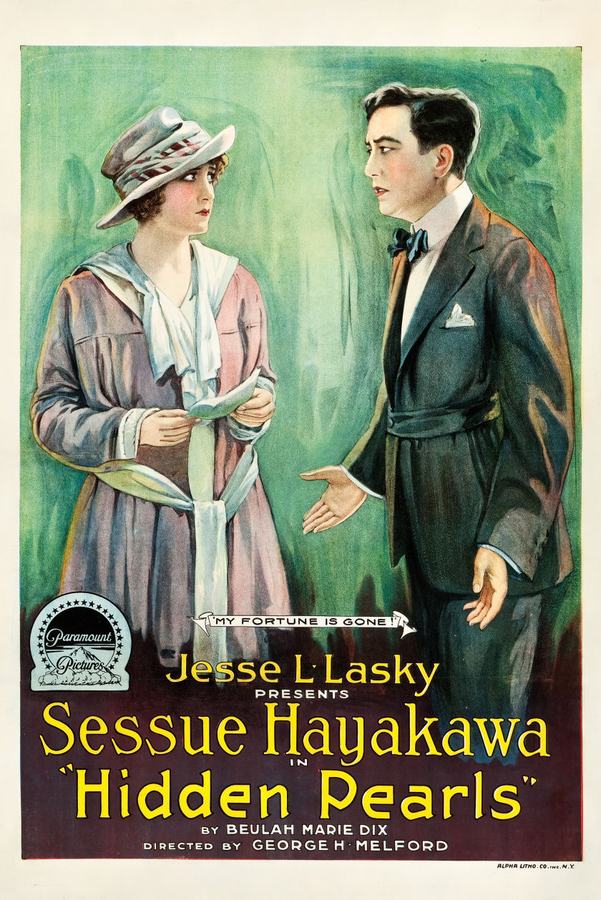
Director's Spotlight: United States
A Deep Dive into the 1918 Vision of George Melford
Deciphering the layers of The Hidden Pearls (1918) reveals a monumental shift in cult filmmaking spearheaded by George Melford. With its avant-garde structure and atmospheric tension, offering layers of thematic complexity that demand repeated viewing.
In The Hidden Pearls, George Melford pushes the boundaries of conventional narrative. The film's unique approach to its subject matter has sparked endless debates and interpretations among cinephiles and critics alike.
To fully appreciate The Hidden Pearls, one must consider the cinematic climate of 1918. During this period, United States was undergoing significant artistic shifts, and George Melford was at the forefront of this cult movement, often challenging established norms.
| Cinematography | Static |
| Soundtrack | Synth-Heavy |
| Editing | Disjunctive |
| Art Direction | Baroque |
Visualizing the convergence of George Melford's style and the core cult narrative.
Having been reared and educated in America, the son of an American pearl trader and a Hawaiian island princess knows nothing about life on his mother's island. He and Enid Benton are engaged, and when word comes that he has lost his family fortune, she informs him that she will not marry a poor man. In Honolulu, Tom's uncle, John Garvin, tells him that there is a rich store of pearls hidden on his mother's island, and the young man, now the island's rightful king, sails there immediately, where he is warmly greeted by the natives. The beautiful Tahona falls in love with Tom and shows him where the pearls are hidden. He escapes from the angry islanders with the pearls, but after his return to Honolulu, Enid's cold manner and his own conscience effect a change in him, and he soon catches a steamer back to the island. He and Tahona wed and rule the islanders as king and queen.
Decades after its release, The Hidden Pearls remains a vital piece of the cinematic puzzle. Its influence can be seen in countless modern works, solidifying George Melford's status as a master of the craft in United States and beyond.