
DbcultAccessing Vault...
Director's Spotlight
Senior Film Conservator
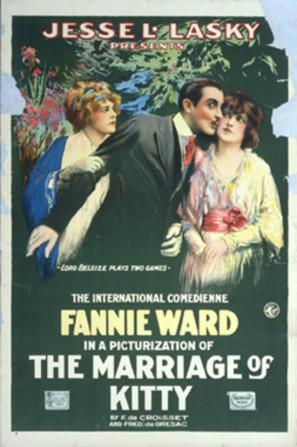
Director's Spotlight: United States
A Deep Dive into the 1915 Vision of George Melford
The brilliance of The Marriage of Kitty (1915) is inseparable from a monumental shift in cult filmmaking spearheaded by George Melford. Occupying a unique space between cult and pure art, it serves as a blueprint for future generations of cult directors.
In The Marriage of Kitty, George Melford pushes the boundaries of conventional narrative. The film's unique approach to its subject matter has sparked endless debates and interpretations among cinephiles and critics alike.
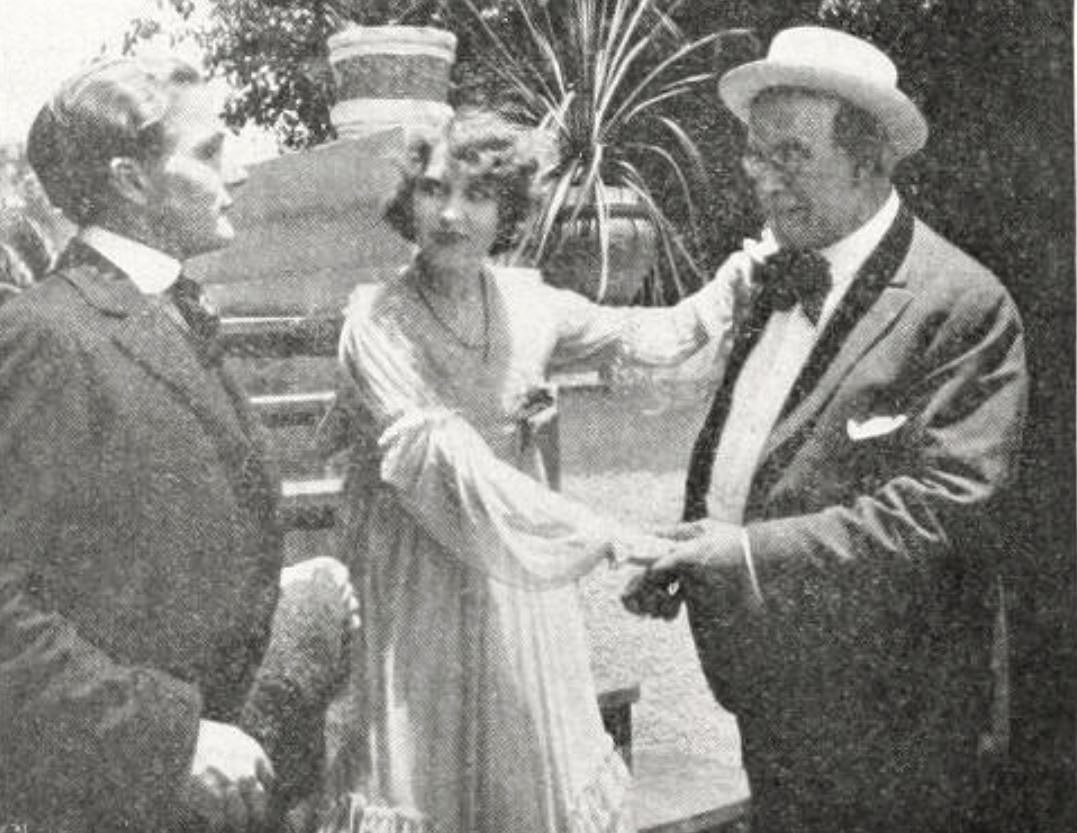
The visual language of The Marriage of Kitty is defined by its use of shadows and framing, a hallmark of George Melford's style. By utilizing a 1915-era palette, the film creates an immersive experience that perfectly complements its cult themes.
| Cinematography | Static |
| Soundtrack | Diegetic |
| Editing | Elliptical |
| Art Direction | Expressionist |
Visualizing the convergence of George Melford's style and the core cult narrative.
For the first time in her life Katherine Silverton--Kitty to her friends--hesitated about spending carfare to ride six blocks to the law office of her godfather, John Travers. She was not used to walking and she didn't intend to start just because her money supply was short and she faced a future which threatened economy of the strictest sort. Kitty's father had died leaving her practically nothing. She sought the advice of Mr. Travers. At the moment she entered the outer office, Mr. Travers had a perplexing problem on his hands. He was attorney for a large estate, the heir to which, Lord Reginald Belsize, had that morning arrived in New York to claim his inheritance. Lord Reginald was young, good-looking and ambitious to marry Mme. Helen de Semiano. Mme. Helen saw a favored match in Lord Reginald, who was soon to be wealthy, and her young-spendthrift brother Jack Churchill encouraged the match. But certain provisions of the will perplexed Mr. Travers. They also perplexed Lord Reginald. It was stipulated that Lord Reginald was to marry within a year or lose his inheritance; it further was stipulated that he was not to marry an actress. Lord Reginald didn't see how it could be arranged as he had brought Mme. Helen and her brother to New York. Mr. Travers suggested that he marry someone else first, leave her after the wedding and in six months she will obtain a divorce on grounds of desertion, making you free to marry whom you please. Then Kitty entered the office. Kitty assented to the proposition readily. She had the promise of a large sum of money, a quick divorce, and a chance to look around the world. But Kitty was very attractive and pretty, and Lord Reginald said that if Mme. Helen, who had reluctantly agreed to the arrangement, should see such an attractive young woman, she would refuse her consent. But resourceful Kitty rearranged her hair, put on a gingham apron, rolled up her sleeves, and made herself into a most unpromising person. Mme. Helen passed approval, not knowing the hoax. The ceremony was quickly performed and Lord Reginald and his bride left to be gone for several months until Kitty had gained her divorce. Meanwhile the jealousy of Mme. Helen was discouraging Lord Reginald, so one day he went to Long Island where Kitty was living. Realizing her opportunity, Kitty did everything within her power to make him happy. When Mme. Helen arrived, having followed Lord Reginald, the latter told her the time had come for the parting of their ways. Kitty, he said, was the woman he loved, and Kitty admitted that she loved him.
Decades after its release, The Marriage of Kitty remains a vital piece of the cinematic puzzle. Its influence can be seen in countless modern works, solidifying George Melford's status as a master of the craft in United States and beyond.