
DbcultAccessing Vault...
Director's Spotlight
Senior Film Conservator
Director's Spotlight: United States
A Deep Dive into the 1922 Vision of George Melford
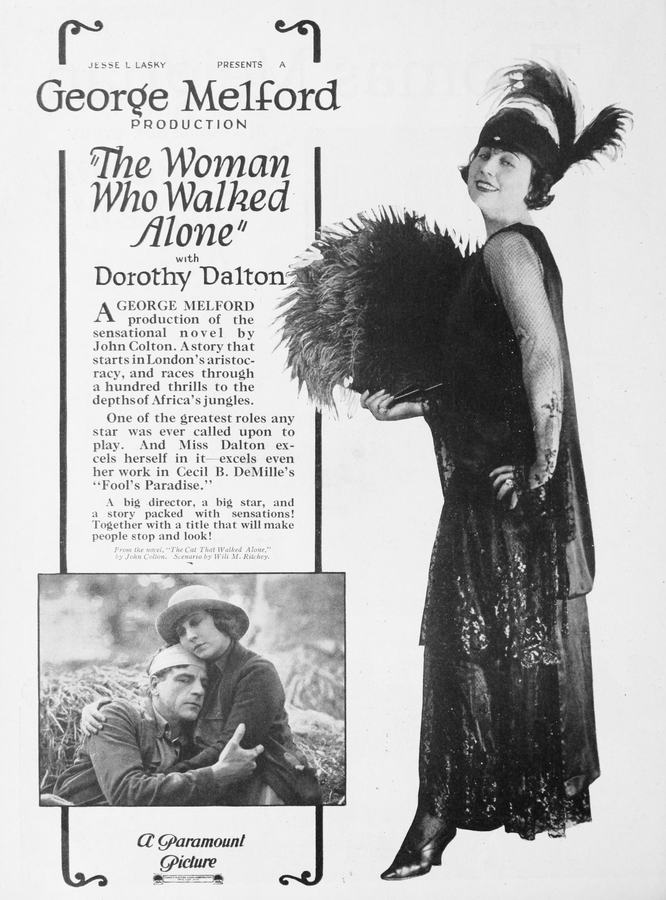
As we revisit the 1922 masterpiece The Woman Who Walked Alone, we are struck by the meticulous attention to detail that George Melford applied to every frame. Anchored by a narrative that is both personal and universal, it bridges the gap between traditional Drama and contemporary vision.
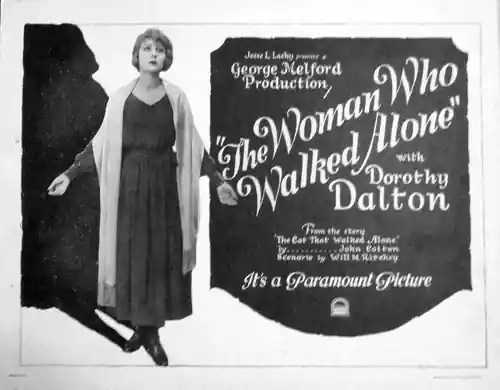
In The Woman Who Walked Alone, George Melford pushes the boundaries of conventional narrative. The film's unique approach to its subject matter has sparked endless debates and interpretations among cinephiles and critics alike.
| Cinematography | Static |
| Soundtrack | Orchestral |
| Editing | Slow-Burn |
| Art Direction | Brutalist |
Visualizing the convergence of George Melford's style and the core Drama narrative.
Iris Champneys, forced into a marriage of convenience with the Earl of Lemister, attempts to recover some compromising letters for her sister Muriel, who has been seduced by a social parasite. Iris is thus caught by Lemister in a delicate situation, and he demands a divorce. Clement Gaunt, formerly employed by Lemister and in love with Iris, has become a ranch foreman in South Africa. He becomes entangled with Hannah, the rancher's wife, who shoots her husband, then places the blame on Clem when he refuses to run away with her. Seven years later, Gaunt--trying to escape the police--meets Iris, who is operating a tavern on the African caravan road. Iris, learning of his predicament, rides to Hannah Schriemann, telling her that Clem has been executed for her crime. When the police bring Clem to the house, Hannah--frightened by his "ghost"--confesses, and Iris and Clem find a way to happiness.
Decades after its release, The Woman Who Walked Alone remains a vital piece of the cinematic puzzle. Its influence can be seen in countless modern works, solidifying George Melford's status as a master of the craft in United States and beyond.