
DbcultAccessing Vault...
Director's Spotlight
Senior Film Conservator
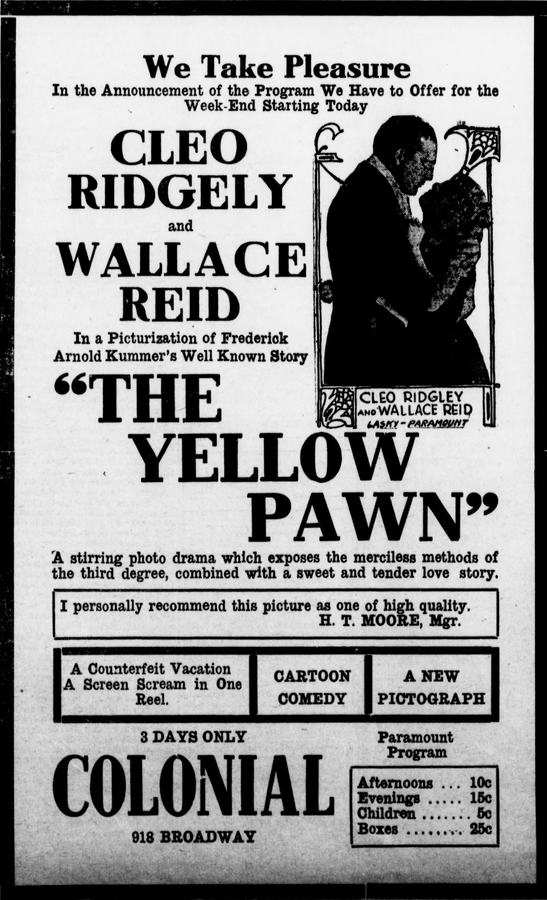
Director's Spotlight: United States
A Deep Dive into the 1916 Vision of George Melford
In the grand tapestry of cult cinema, The Yellow Pawn serves as a bridge between the bold experimentation that has become synonymous with George Melford. Breaking the traditional rules of cult engagement, it highlights the importance of independent voices in United States.
In The Yellow Pawn, George Melford pushes the boundaries of conventional narrative. The film's unique approach to its subject matter has sparked endless debates and interpretations among cinephiles and critics alike.
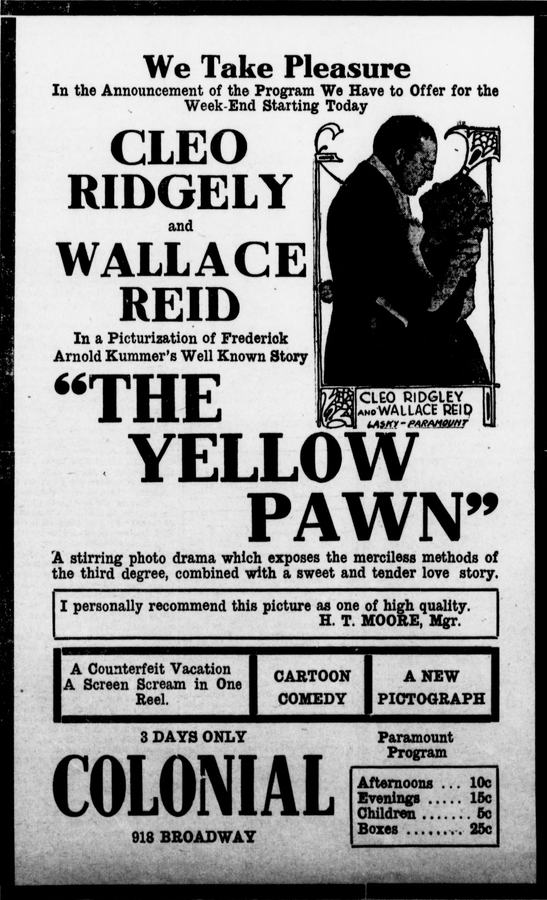
To fully appreciate The Yellow Pawn, one must consider the cinematic climate of 1916. During this period, United States was undergoing significant artistic shifts, and George Melford was at the forefront of this cult movement, often challenging established norms.
| Cinematography | High-Contrast |
| Soundtrack | Diegetic |
| Editing | Rhythmic |
| Art Direction | Naturalist |
Visualizing the convergence of George Melford's style and the core cult narrative.
To support her younger sister, Kate Turner marries Allen Perry, an unreliable district attorney, thus relinquish her true love, struggling artist James Weldon. Years later, Perry, jealous of James, now a successful, wealthy portrait painter, manipulates Kate into posing for him, hoping to catch her in a incriminating position. One night, after Kate has left James's studio, Tom, James's corrupt brother, arrives and quarrels with the artist. Sen Yat, James's devoted servant, catches Tom stealing money and kills him, but James is arrested for the murder. Perry is the prosecuting attorney in the case and, desperate to convict James, he tries to trap him into confessing. When Kate reveals that she was present at the studio on the night of the murder, Flying into a jealous rage, Perry threatens to shoot James. At that moment, Sen Yat rushes in and stabs Perry to death, admitting to committing the first murder as well. Finally free, Kate and James reunite.
Decades after its release, The Yellow Pawn remains a vital piece of the cinematic puzzle. Its influence can be seen in countless modern works, solidifying George Melford's status as a master of the craft in United States and beyond.