
DbcultAccessing Vault...
Director's Spotlight
Senior Film Conservator
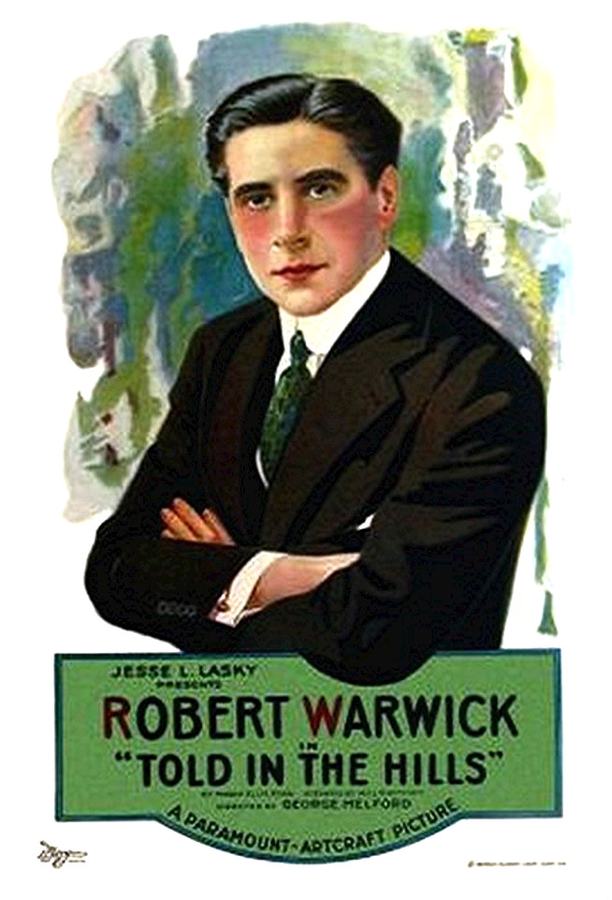
Director's Spotlight: United States
A Deep Dive into the 1919 Vision of George Melford
In the storied career of George Melford, Told in the Hills stands as a the atmospheric immersion that George Melford achieves throughout Told in the Hills. Reflecting the political and social shifts of the 1919s, it reinforces the idea that cinema is a medium of infinite possibilities.
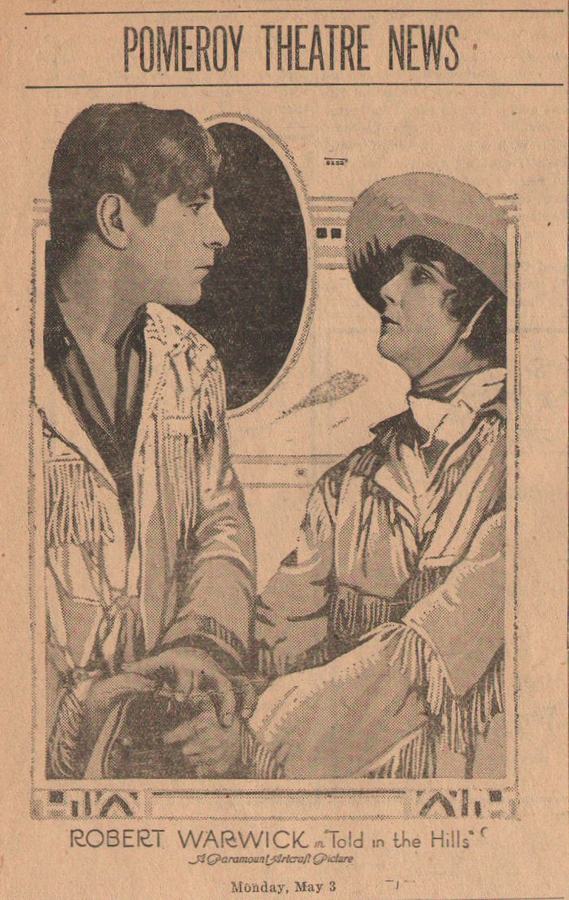
In Told in the Hills, George Melford pushes the boundaries of conventional narrative. The film's unique approach to its subject matter has sparked endless debates and interpretations among cinephiles and critics alike.
| Cinematography | Handheld |
| Soundtrack | Minimalist |
| Editing | Slow-Burn |
| Art Direction | Brutalist |
Visualizing the convergence of George Melford's style and the core cult narrative.
A Kentucky woman's dying request that her sons care for her ward, Ann Belleau, is disregarded by the younger brother, Charles Stuart, who makes love to her and then marries another woman in New Orleans. The elder brother Jack marries Ann so that her child will have a name, but then leaves her his possessions and becomes a prospector and guide in Montana. Although known as "Genesee Jack," and wanting to keep away from white women, Jack meets Rachel Hardy and they fall in love. Even when she sees a squaw in Jack's cabin and he says he is an Indian himself, her love remains strong. After a young Kootenai chieftain is accidentally killed bringing a message of good will to the U.S. Cavalry, Jack, unjustly imprisoned, escapes with Rachel's help. He then leads the soldiers, who are surrounded by Indians in a mine, through a hidden tunnel to safety. Although wounded, Jack marries Rachel, after Charles repentantly tells of Ann's death.
Decades after its release, Told in the Hills remains a vital piece of the cinematic puzzle. Its influence can be seen in countless modern works, solidifying George Melford's status as a master of the craft in United States and beyond.