
DbcultAccessing Vault...
Director's Spotlight
Senior Film Conservator
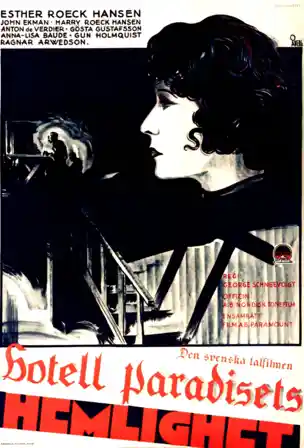
Director's Spotlight: Sweden
A Deep Dive into the 1931 Vision of George Schnéevoigt
Analyzing Hotell Paradisets hemlighet (1931) requires a deep dive into the unique directorial voice that George Schnéevoigt brought to the screen. By challenging the status quo of 1931 cinema, it continues to spark endless debates among critics and cinephiles alike.
In Hotell Paradisets hemlighet, George Schnéevoigt pushes the boundaries of conventional narrative. The film's unique approach to its subject matter has sparked endless debates and interpretations among cinephiles and critics alike.
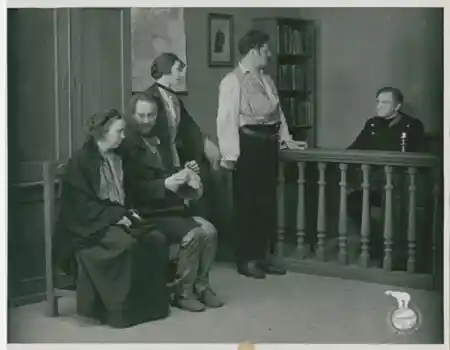
The visual language of Hotell Paradisets hemlighet is defined by its use of shadows and framing, a hallmark of George Schnéevoigt's style. By utilizing a 1931-era palette, the film creates an immersive experience that perfectly complements its Drama themes.
| Cinematography | Handheld |
| Soundtrack | Orchestral |
| Editing | Invisible |
| Art Direction | Kitsch |
Visualizing the convergence of George Schnéevoigt's style and the core Drama narrative.
Henrik Schultze and his wife see no way out to pay the rent for the inn they run. a ship sinks at night and a lieutenant v Krakow to the inn with a chest of money. they murder him. For half a year, pastor Segerdahl saves them from the court through his testimony. He is in love with Mrs. Schulze and only 15 years later, when she is dead, does he confess to V. Krakow's son. But Schultze's daughters seek to return to the Paradis inn and he himself follows and shoots himself after the house has caught fire.
Decades after its release, Hotell Paradisets hemlighet remains a vital piece of the cinematic puzzle. Its influence can be seen in countless modern works, solidifying George Schnéevoigt's status as a master of the craft in Sweden and beyond.