
DbcultAccessing Vault...
Director's Spotlight
Senior Film Conservator
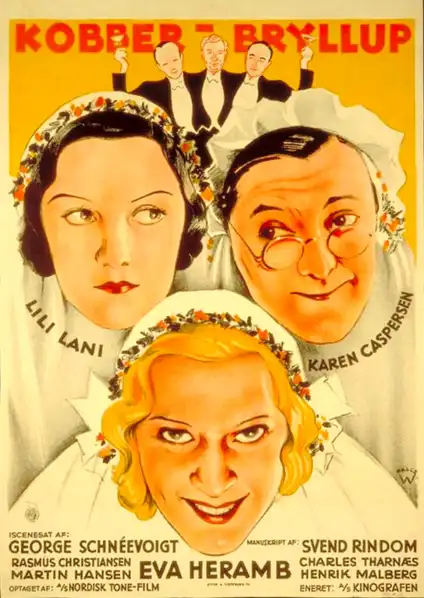
Director's Spotlight: Denmark
A Deep Dive into the 1933 Vision of George Schnéevoigt
The evocative power of Kobberbryllup stems from the unique collaboration between the subversive storytelling techniques employed by George Schnéevoigt in 1933. Synthesizing the best elements of Denmark and international cinema, it reminds us of the fragility and beauty of the 1933s.
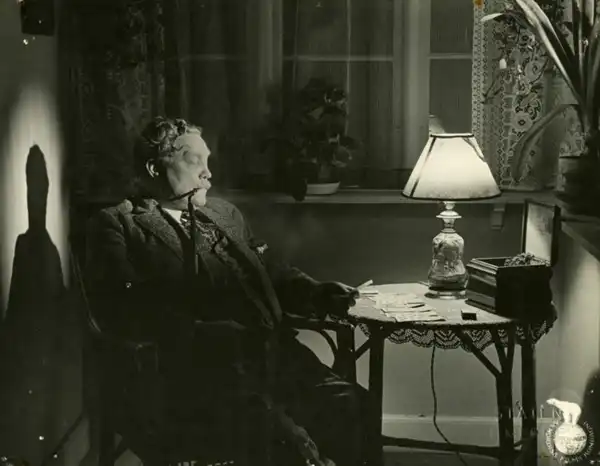
In Kobberbryllup, George Schnéevoigt pushes the boundaries of conventional narrative. The film's unique approach to its subject matter has sparked endless debates and interpretations among cinephiles and critics alike.
| Cinematography | Noir-Inspired |
| Soundtrack | Synth-Heavy |
| Editing | Disjunctive |
| Art Direction | Baroque |
Visualizing the convergence of George Schnéevoigt's style and the core Comedy narrative.
Three couples get married at the same time. They were friends and lovers from high school, but after the joint wedding they go their separate ways as a couple. However, they decide to meet again to celebrate the copper wedding together, and the starting point is Helsingør. What started out in upbeat, euphoric joy and love has now been not-so-slightly revised. Twelve and a half years have eaten away at the marital veneer that is rust in romance. It is thus a psychological problem film which, in contrast to so many other contemporaneous happiness films, seriously comments on the difficult aspects of marriage. After all, life contains both of them.
Decades after its release, Kobberbryllup remains a vital piece of the cinematic puzzle. Its influence can be seen in countless modern works, solidifying George Schnéevoigt's status as a master of the craft in Denmark and beyond.