
DbcultAccessing Vault...
Director's Spotlight
Senior Film Conservator
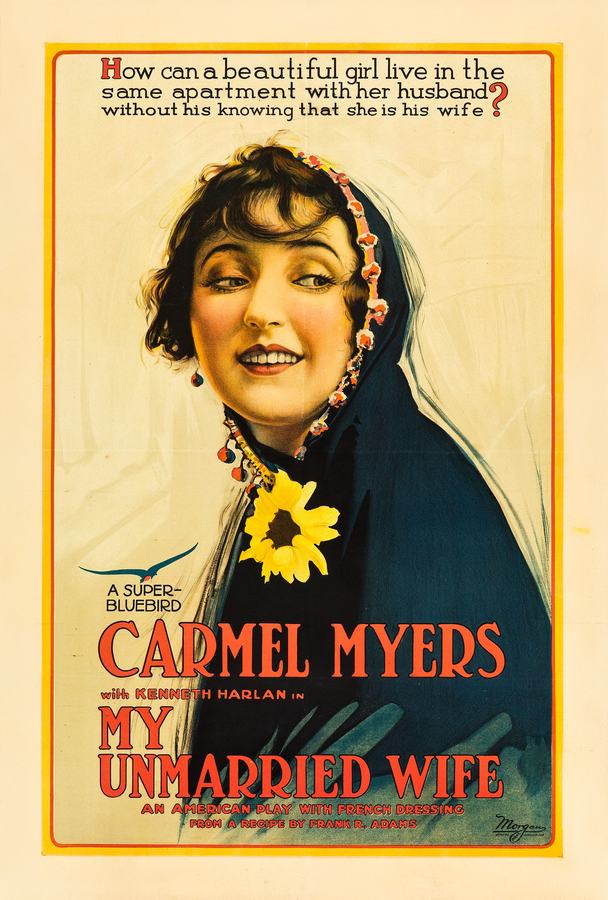
Director's Spotlight: United States
A Deep Dive into the 1918 Vision of George Siegmann
Exploring the cult underpinnings of My Unmarried Wife leads us to the uncompromising vision of George Siegmann that defines this cult masterpiece. Melding the raw energy of United States with a global cult appeal, it echoes the profound changes occurring in United States during that era.
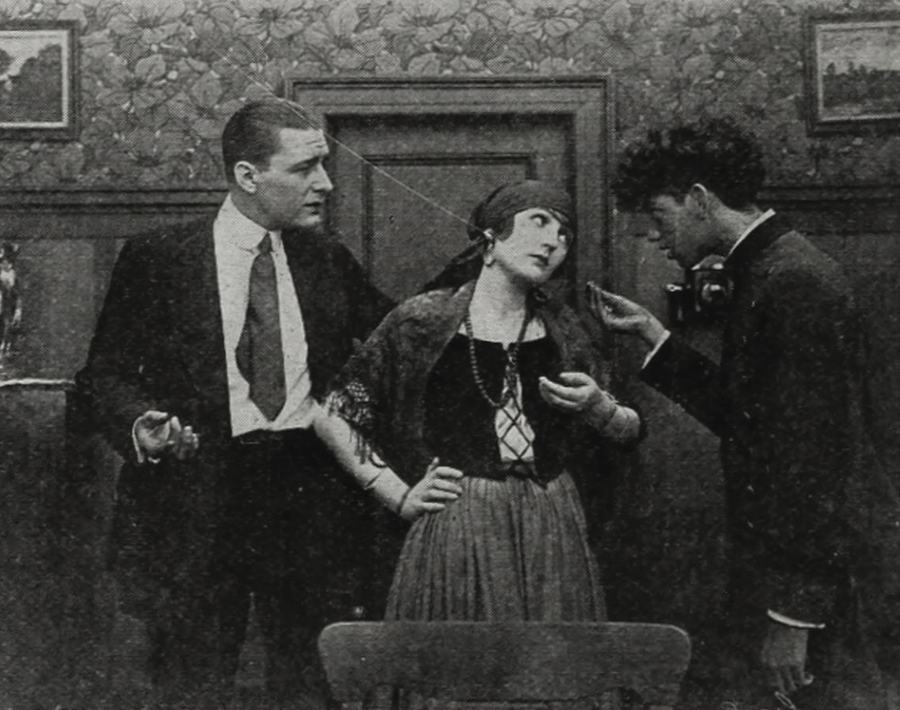
In My Unmarried Wife, George Siegmann pushes the boundaries of conventional narrative. The film's unique approach to its subject matter has sparked endless debates and interpretations among cinephiles and critics alike.
| Cinematography | Handheld |
| Soundtrack | Orchestral |
| Editing | Slow-Burn |
| Art Direction | Brutalist |
Visualizing the convergence of George Siegmann's style and the core cult narrative.
Phillip Smith, an impoverished young novelist, loses his sight in an explosion. Fearing that he will never see again, Phillip determines to end his life until Mary Cunningham, the young nurse in his doctor's office who has fallen in love with him, wins his consent to marry her by telling him that she will inherit a large fortune if she marries immediately. Phillip agrees to the ceremony in return for the funds that will pay for his operation, and Mary agrees to grant him a divorce whenever he desires. They separate after the wedding; Phillip has his sight restored and becomes a famous writer. He has no idea of what his wife looks like, nor does he ever care to find out. Mrs. Smith has different ideas and, disguising herself as Molly, an Italian girl, obtains a position as cook and housemaid for her husband. After successfully winning Phillip's love, Molly finally reveals that she is his wife.
Decades after its release, My Unmarried Wife remains a vital piece of the cinematic puzzle. Its influence can be seen in countless modern works, solidifying George Siegmann's status as a master of the craft in United States and beyond.