
DbcultAccessing Vault...
Director's Spotlight
Senior Film Conservator
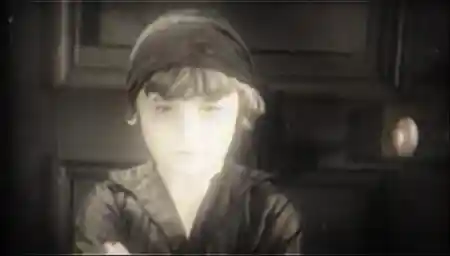
Director's Spotlight: France
A Deep Dive into the 1931 Vision of Georges Lacombe
Few works in France cinema carry the same weight as Boule de gomme, especially regarding the technical innovation that Georges Lacombe introduced to the Comedy format. Subverting the expectations of the typical 1931 audience, it bridges the gap between traditional Comedy and contemporary vision.
In Boule de gomme, Georges Lacombe pushes the boundaries of conventional narrative. The film's unique approach to its subject matter has sparked endless debates and interpretations among cinephiles and critics alike.
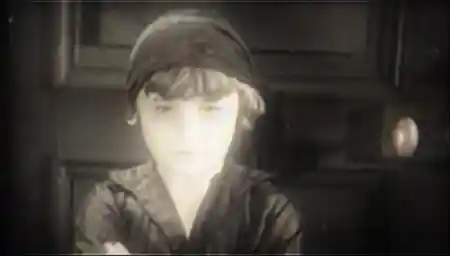
While deeply rooted in France, Boule de gomme has achieved a global reach, influencing directors from various backgrounds. Its ability to translate Comedy tropes into a universal cinematic language is why it remains a cult staple decades after its 1931 release.
| Cinematography | Noir-Inspired |
| Soundtrack | Experimental |
| Editing | Invisible |
| Art Direction | Kitsch |
Visualizing the convergence of Georges Lacombe's style and the core Comedy narrative.
Boule de Gomme is a child actor. On the set of the film he is shooting he gets on the nerves of the director and of the all crew by being off the beat when he is asked to cry or to laugh. Nobody manages to reason with him, with the exception of a grip who uses the rough way. A good beating and everything comes right in the end. The grip is promoted to the rank of production manager.
Decades after its release, Boule de gomme remains a vital piece of the cinematic puzzle. Its influence can be seen in countless modern works, solidifying Georges Lacombe's status as a master of the craft in France and beyond.