
DbcultAccessing Vault...
Director's Spotlight
Senior Film Conservator
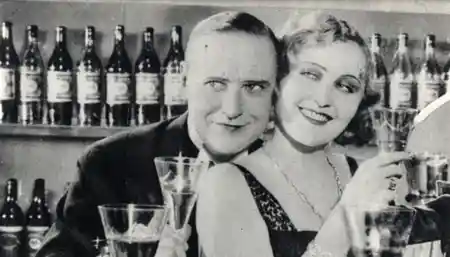
Director's Spotlight: Germany
A Deep Dive into the 1930 Vision of Géza von Bolváry
The brilliance of Delikatessen (1930) is inseparable from a monumental shift in Comedy filmmaking spearheaded by Géza von Bolváry. Occupying a unique space between Comedy and pure art, it serves as a blueprint for future generations of Comedy directors.
In Delikatessen, Géza von Bolváry pushes the boundaries of conventional narrative. The film's unique approach to its subject matter has sparked endless debates and interpretations among cinephiles and critics alike.
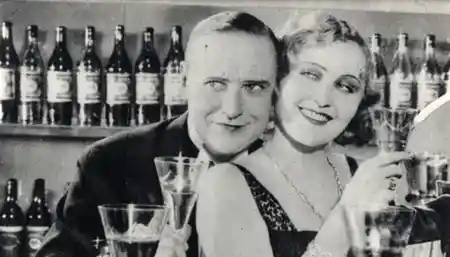
While deeply rooted in Germany, Delikatessen has achieved a global reach, influencing directors from various backgrounds. Its ability to translate Comedy tropes into a universal cinematic language is why it remains a cult staple decades after its 1930 release.
| Cinematography | Noir-Inspired |
| Soundtrack | Minimalist |
| Editing | Disjunctive |
| Art Direction | Baroque |
Visualizing the convergence of Géza von Bolváry's style and the core Comedy narrative.
Friends Franz and Bela work in a deli belonging to Mr. Wallis. Franz is the manager and Bela a salesclerk. Both get to know the lovely Lilo. But while Bela is rebuffed, the charming womanizer Franz is more successful. After a boisterous celebration in the deli, Mr. Wallis tells Franz to get lost and hires Lilo as a new salesperson. Franz and Bela take a job at Mr. Markow's deli across the street and a serious competition begins between the two delis for survival.
Decades after its release, Delikatessen remains a vital piece of the cinematic puzzle. Its influence can be seen in countless modern works, solidifying Géza von Bolváry's status as a master of the craft in Germany and beyond.