
DbcultAccessing Vault...
Director's Spotlight
Senior Film Conservator
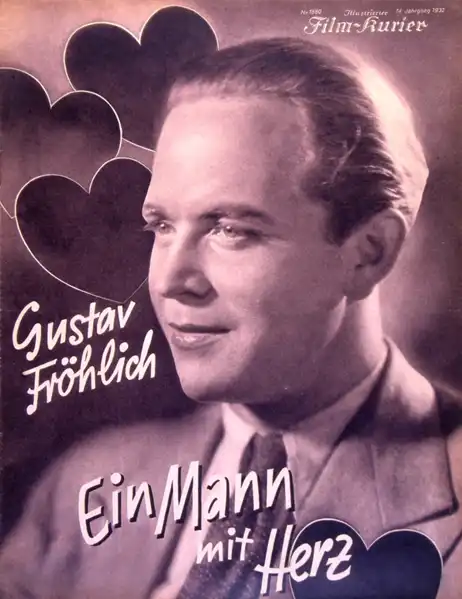
Director's Spotlight: Germany
A Deep Dive into the 1932 Vision of Géza von Bolváry
To understand the modern evolution of Germany film, one must first look at Ein Mann mit Herz and the collaborative alchemy between Géza von Bolváry and the 1932 creative team. Subverting the expectations of the typical 1932 audience, it remains a vital reference point for anyone studying the evolution of Géza von Bolváry.
In Ein Mann mit Herz, Géza von Bolváry pushes the boundaries of conventional narrative. The film's unique approach to its subject matter has sparked endless debates and interpretations among cinephiles and critics alike.
While deeply rooted in Germany, Ein Mann mit Herz has achieved a global reach, influencing directors from various backgrounds. Its ability to translate Drama tropes into a universal cinematic language is why it remains a cult staple decades after its 1932 release.
| Cinematography | Deep Focus |
| Soundtrack | Orchestral |
| Editing | Slow-Burn |
| Art Direction | Brutalist |
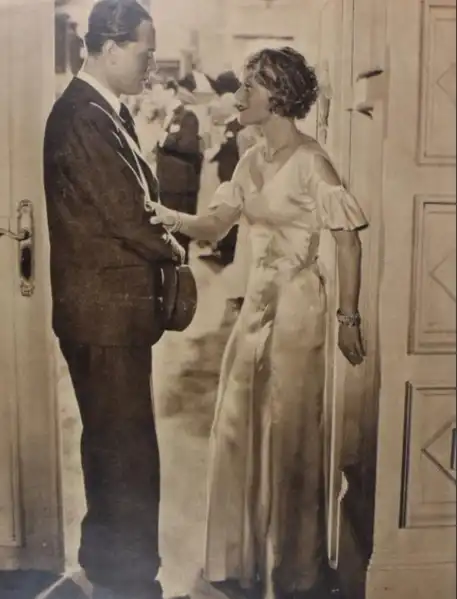
Visualizing the convergence of Géza von Bolváry's style and the core Drama narrative.
Paul, a bank employee, is unaware that the girl he's fallen in love with is the daughter of his boss. No one bothers to tell him and he gets jealous of the boss, who seems to have a very good relationship with the girl.
Decades after its release, Ein Mann mit Herz remains a vital piece of the cinematic puzzle. Its influence can be seen in countless modern works, solidifying Géza von Bolváry's status as a master of the craft in Germany and beyond.