
DbcultAccessing Vault...
Director's Spotlight
Senior Film Conservator
Director's Spotlight: Italy
A Deep Dive into the 1914 Vision of Giuseppe Giusti
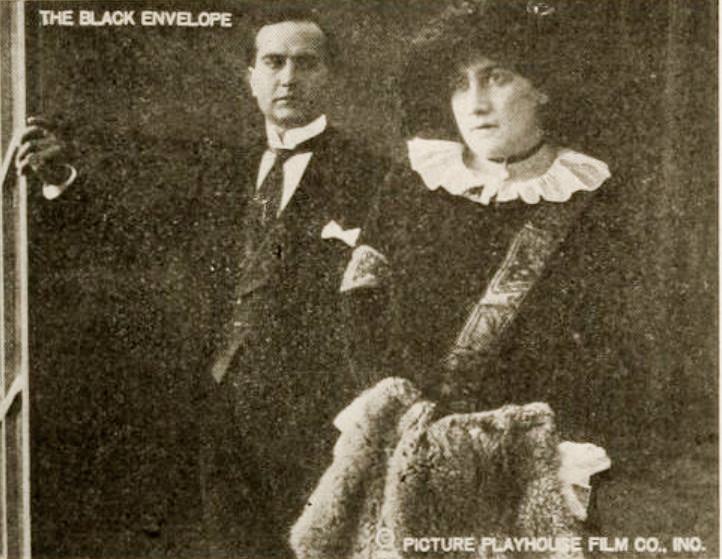
Analyzing The Black Envelope (1914) requires a deep dive into the defining moment in cult history that Giuseppe Giusti helped create. Defining a new era of Italy artistic expression, it transcends regional boundaries to tell a universal story.
In The Black Envelope, Giuseppe Giusti pushes the boundaries of conventional narrative. The film's unique approach to its subject matter has sparked endless debates and interpretations among cinephiles and critics alike.
While deeply rooted in Italy, The Black Envelope has achieved a global reach, influencing directors from various backgrounds. Its ability to translate cult tropes into a universal cinematic language is why it remains a cult staple decades after its 1914 release.
| Cinematography | Handheld |
| Soundtrack | Synth-Heavy |
| Editing | Rhythmic |
| Art Direction | Naturalist |
Visualizing the convergence of Giuseppe Giusti's style and the core cult narrative.
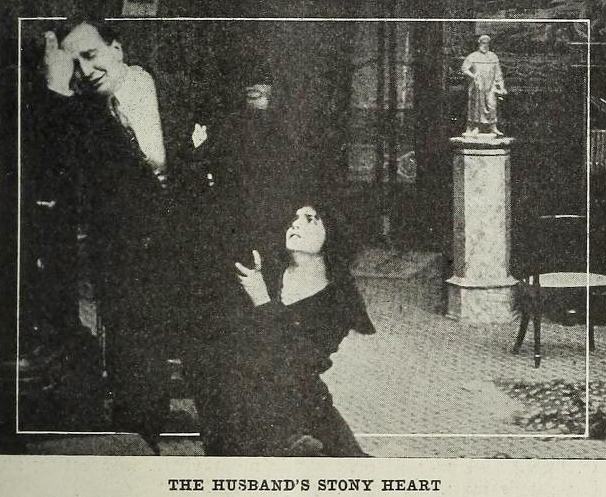
Hard pressed for funds in his campaign for Mayor, Jim Creelman does not know where to turn, but Olga Bateman, an actress, who has fallen deeply in love with the handsome politician, offers to loan him twenty thousand dollars to insure his election, hoping that in the end he will marry her. He makes good use of the funds and his campaign is carried to a successful termination. A short time afterwards, however, he meets Miss Syble Chatfield, the fiancée of Estaban DeBussy, the editor in chief of the leading daily paper, and falls desperately in love with her. He wins her away from DeBussy and they are married. In the midst of their honeymoon they are surprised by the announcement in the paper of the loan made to Creelman by the actress Olga, and never repaid, when, as a matter of fact, Jim Creelman repaid the money shortly after his election and obtained a receipt for it. Creelman tells his wife of his old affair with Olga. His wife, believing in his integrity and anxious to help him in any way to defeat the blackmailing scheme to discredit him before the town, helps him to search for the receipt, which had been placed in a black envelope, but they find that it has been stolen from his desk. The revengeful suitor, DeBussy, meets the faithful wife and tells her that the receipt has come into his possession and that he will give it to her if she will come to his house that night. To save her husband's honor she goes, and when she obtains the receipt, in order to preserve her husband's good name, she kills her suitor, after a struggle. Overcome with grief at the unjust suspicions of her husband, and his failure to believe her story, she kills herself as soon as he leaves the house.
Decades after its release, The Black Envelope remains a vital piece of the cinematic puzzle. Its influence can be seen in countless modern works, solidifying Giuseppe Giusti's status as a master of the craft in Italy and beyond.