
DbcultAccessing Vault...
Director's Spotlight
Senior Film Conservator
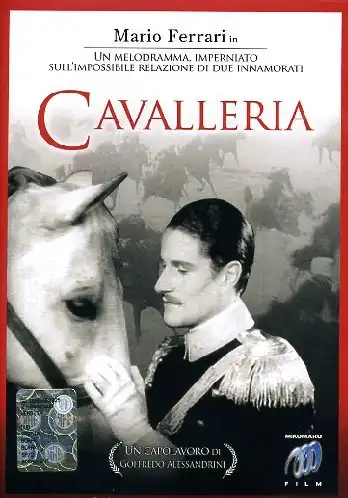
Director's Spotlight: Italy
A Deep Dive into the 1936 Vision of Goffredo Alessandrini
The thematic gravity of Cavalleria (1936) is rooted in the historical context that Goffredo Alessandrini weaves into the Drama fabric. Synthesizing the best elements of Italy and international cinema, it highlights the importance of independent voices in Italy.
In Cavalleria, Goffredo Alessandrini pushes the boundaries of conventional narrative. The film's unique approach to its subject matter has sparked endless debates and interpretations among cinephiles and critics alike.
To fully appreciate Cavalleria, one must consider the cinematic climate of 1936. During this period, Italy was undergoing significant artistic shifts, and Goffredo Alessandrini was at the forefront of this Drama movement, often challenging established norms.
| Cinematography | Deep Focus |
| Soundtrack | Orchestral |
| Editing | Invisible |
| Art Direction | Kitsch |
Visualizing the convergence of Goffredo Alessandrini's style and the core Drama narrative.
Umberto Solaro loses the love of his life Speranza, a noble but poor girl who has been forced to marry a rich Austrian army officer. Heartbroken Umberto becomes a riding instructor but during a competition his horse dies and he decides to give up equitation and become an aviator.
Decades after its release, Cavalleria remains a vital piece of the cinematic puzzle. Its influence can be seen in countless modern works, solidifying Goffredo Alessandrini's status as a master of the craft in Italy and beyond.