
DbcultAccessing Vault...
Director's Spotlight
Senior Film Conservator
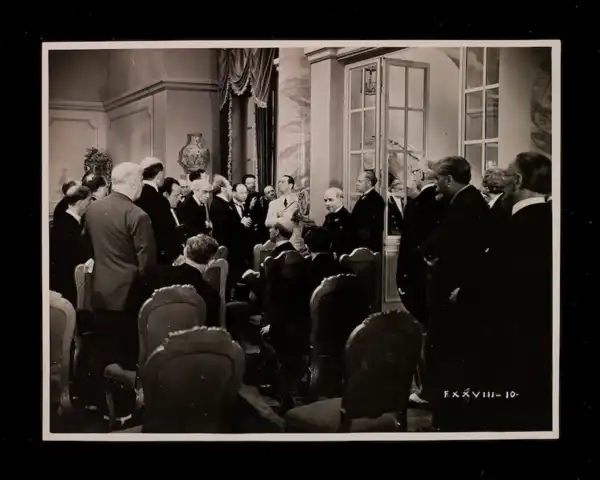
Director's Spotlight: Italy
A Deep Dive into the 1932 Vision of Guido Brignone
The 1932 release of Paradiso marked a significant moment for the stylistic boundaries pushed by Guido Brignone during the production. In the context of Italy's rich cinematic history, it invites us to question our own perceptions of Comedy narratives.
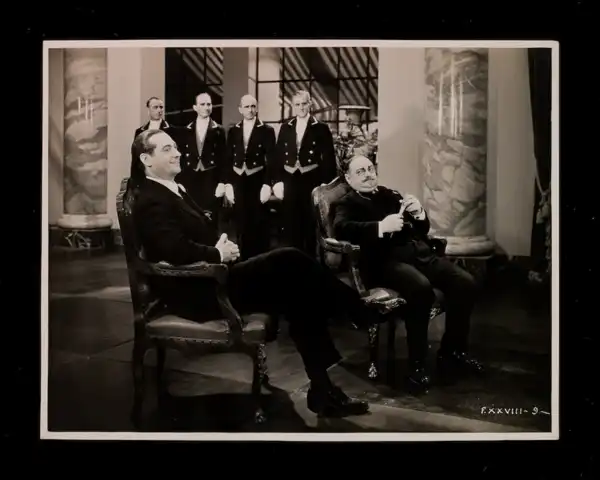
In Paradiso, Guido Brignone pushes the boundaries of conventional narrative. The film's unique approach to its subject matter has sparked endless debates and interpretations among cinephiles and critics alike.
| Cinematography | High-Contrast |
| Soundtrack | Synth-Heavy |
| Editing | Rhythmic |
| Art Direction | Naturalist |
Visualizing the convergence of Guido Brignone's style and the core Comedy narrative.
"Telefoni bianchi" comedy. A young man inherits from his uncle under strict conditions: he must live for three years in the luxurious house that was left to him without ever leaving it and without ever receiving a visit from a young girl.
Decades after its release, Paradiso remains a vital piece of the cinematic puzzle. Its influence can be seen in countless modern works, solidifying Guido Brignone's status as a master of the craft in Italy and beyond.