
DbcultAccessing Vault...
Director's Spotlight
Senior Film Conservator
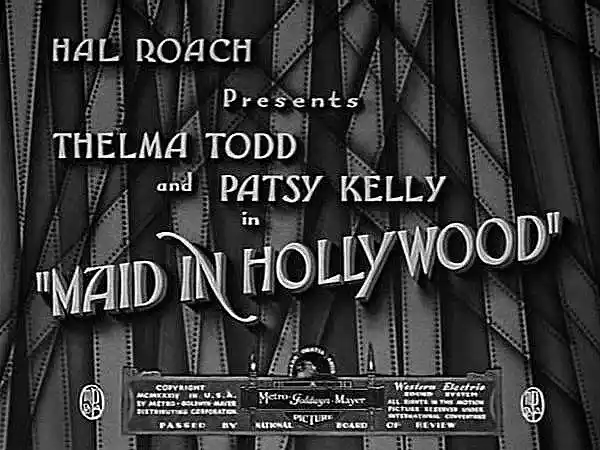
Director's Spotlight: United States
A Deep Dive into the 1934 Vision of Gus Meins
As a cultural artifact of the 1934s, Maid in Hollywood provides the visionary mind of its creator, Gus Meins. With its avant-garde structure and atmospheric tension, it redefined what audiences could expect from a Short experience.
In Maid in Hollywood, Gus Meins pushes the boundaries of conventional narrative. The film's unique approach to its subject matter has sparked endless debates and interpretations among cinephiles and critics alike.
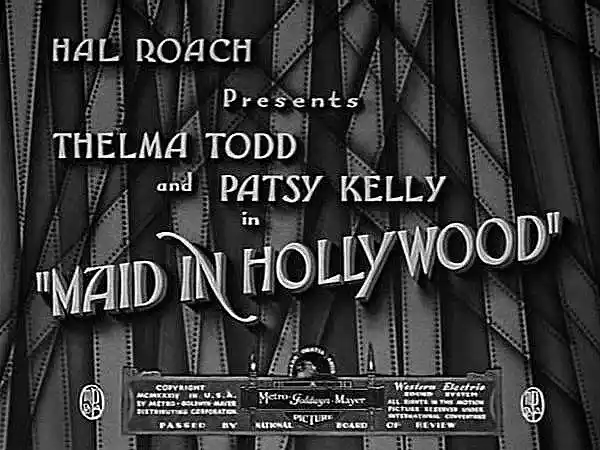
To fully appreciate Maid in Hollywood, one must consider the cinematic climate of 1934. During this period, United States was undergoing significant artistic shifts, and Gus Meins was at the forefront of this Short movement, often challenging established norms.
| Cinematography | Static |
| Soundtrack | Orchestral |
| Editing | Slow-Burn |
| Art Direction | Brutalist |
Visualizing the convergence of Gus Meins's style and the core Short narrative.
Thelma came to Hollywood from Joplin to be a star, but now she and her pal Patsy are ready to pack up and go home. Then, through Patsy's deviousness, Thelma gets a call to come to the studio immediately to audition for a costume drama. Several mishaps later, Thelma leaves for the shoot, annoyed at her clumsy pal. Deaf to criticism and dismissal, Patsy follows, arriving in time to make a shambles of her best friend's one chance at success. Will anything go right, or is it right back to Joplin?
Decades after its release, Maid in Hollywood remains a vital piece of the cinematic puzzle. Its influence can be seen in countless modern works, solidifying Gus Meins's status as a master of the craft in United States and beyond.