
DbcultAccessing Vault...
Director's Spotlight
Senior Film Conservator
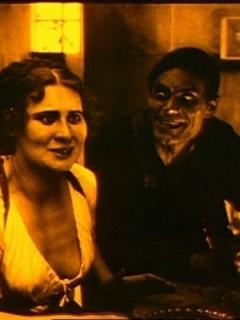
Director's Spotlight: Germany
A Deep Dive into the 1919 Vision of Hans Mierendorff
As we revisit the 1919 masterpiece Die Teufelskirche, we are struck by the meticulous attention to detail that Hans Mierendorff applied to every frame. Anchored by a narrative that is both personal and universal, it bridges the gap between traditional cult and contemporary vision.
In Die Teufelskirche, Hans Mierendorff pushes the boundaries of conventional narrative. The film's unique approach to its subject matter has sparked endless debates and interpretations among cinephiles and critics alike.
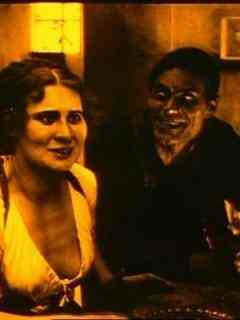
In this work, Hans Mierendorff explores the intersection of cult and Germany cultural identity. The meticulous attention to detail suggests a deep-seated commitment to pushing the boundaries of the medium, ensuring that Die Teufelskirche remains a relevant topic of study for cult enthusiasts.
| Cinematography | Deep Focus |
| Soundtrack | Orchestral |
| Editing | Slow-Burn |
| Art Direction | Brutalist |
Visualizing the convergence of Hans Mierendorff's style and the core cult narrative.
The Devil takes a trip disguised as a tinker. He meets Frau Ane, farmer Asmus' wife, who yearns to have a baby but in vain. So the devil takes advantage of Frau Ane's motherly inner desire by making a deal with her.
Decades after its release, Die Teufelskirche remains a vital piece of the cinematic puzzle. Its influence can be seen in countless modern works, solidifying Hans Mierendorff's status as a master of the craft in Germany and beyond.