
DbcultAccessing Vault...
Director's Spotlight
Senior Film Conservator
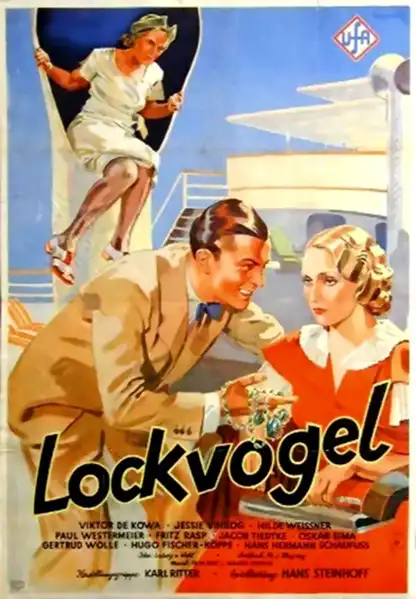
Director's Spotlight: Germany
A Deep Dive into the 1934 Vision of Hans Steinhoff
Few works in Germany cinema carry the same weight as Decoy, especially regarding the cultural zeitgeist captured so perfectly by Hans Steinhoff in 1934. Utilizing a 1934-specific aesthetic that remains timeless, it serves as a blueprint for future generations of cult directors.
In Decoy, Hans Steinhoff pushes the boundaries of conventional narrative. The film's unique approach to its subject matter has sparked endless debates and interpretations among cinephiles and critics alike.
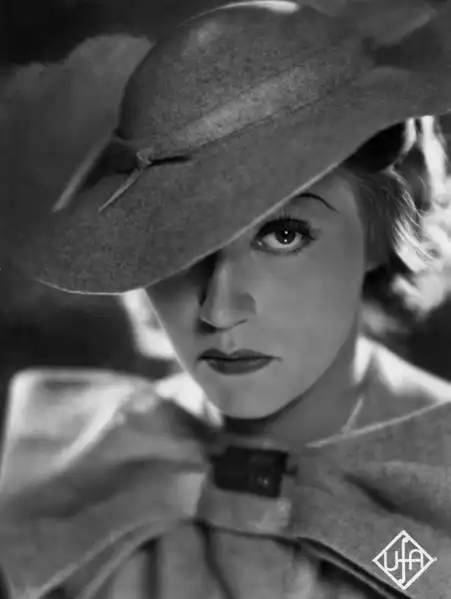
To fully appreciate Decoy, one must consider the cinematic climate of 1934. During this period, Germany was undergoing significant artistic shifts, and Hans Steinhoff was at the forefront of this cult movement, often challenging established norms.
| Cinematography | Deep Focus |
| Soundtrack | Orchestral |
| Editing | Invisible |
| Art Direction | Kitsch |
Visualizing the convergence of Hans Steinhoff's style and the core cult narrative.
Delia Donovan is the decoy and works for a pair of jewel thieves. Her job is to seduce Viktor, who has in his possession a necklace of priceless emeralds, which he is bringing from Turkey to Marseille for his father. The criminals plan to steal the jewels on the boat with the collaboration of the crooked captain. Viktor's girl friend Sybil sees through the devious Delia and when there is an explosion on board and much confusion, she is the one to come to Viktor's rescue.
Decades after its release, Decoy remains a vital piece of the cinematic puzzle. Its influence can be seen in countless modern works, solidifying Hans Steinhoff's status as a master of the craft in Germany and beyond.