
DbcultAccessing Vault...
Director's Spotlight
Senior Film Conservator
Director's Spotlight: United States
A Deep Dive into the 1920 Vision of Harley Knoles
The brilliance of Guilty of Love (1920) is inseparable from a monumental shift in Drama filmmaking spearheaded by Harley Knoles. Occupying a unique space between Drama and pure art, it serves as a blueprint for future generations of Drama directors.
In Guilty of Love, Harley Knoles pushes the boundaries of conventional narrative. The film's unique approach to its subject matter has sparked endless debates and interpretations among cinephiles and critics alike.

To fully appreciate Guilty of Love, one must consider the cinematic climate of 1920. During this period, United States was undergoing significant artistic shifts, and Harley Knoles was at the forefront of this Drama movement, often challenging established norms.
| Cinematography | High-Contrast |
| Soundtrack | Diegetic |
| Editing | Rhythmic |
| Art Direction | Naturalist |
Visualizing the convergence of Harley Knoles's style and the core Drama narrative.
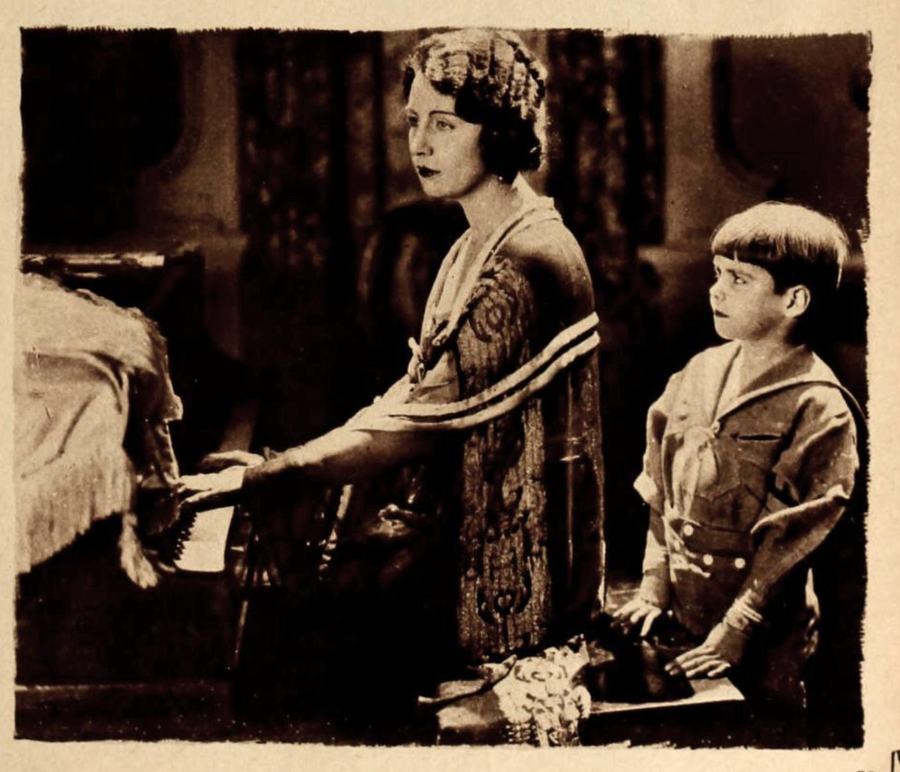
When governess Thelma Miller falls in love with her employer's brother, Norris Townsend, they have a brief affair. Soon after, Thelma discovers that she is pregnant and demands that Norris marry her so that their child can have a name. Norris' wealthy family objects to the marriage on the grounds of social equality, but Thelma forces the union at gunpoint. After the ceremony, Thelma leaves her husband and seeks employment in a country town. Years pass as Norris searches for his wife and son. When he finally locates them, Thelma consents to a reconciliation for the sake of their child. After living together, they discover their love for each other and become a real family.
Decades after its release, Guilty of Love remains a vital piece of the cinematic puzzle. Its influence can be seen in countless modern works, solidifying Harley Knoles's status as a master of the craft in United States and beyond.