
DbcultAccessing Vault...
Director's Spotlight
Senior Film Conservator
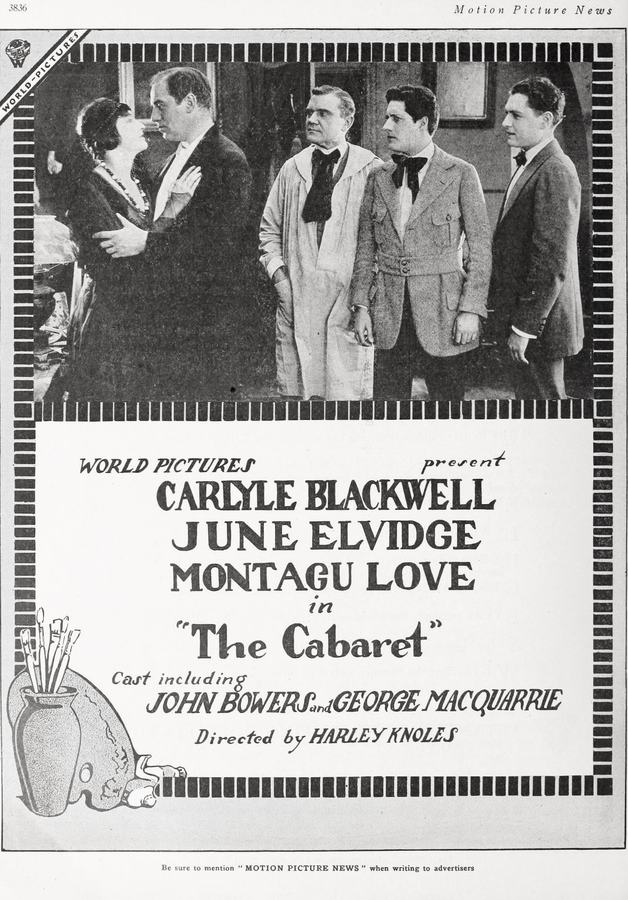
Director's Spotlight: United States
A Deep Dive into the 1918 Vision of Harley Knoles
The artistic breakthrough represented by The Cabaret in 1918 highlights the philosophical inquiries that Harley Knoles embeds within the narrative. Framed by the hauntingly beautiful landscapes of the production, it leaves an indelible mark on the soul of the viewer.
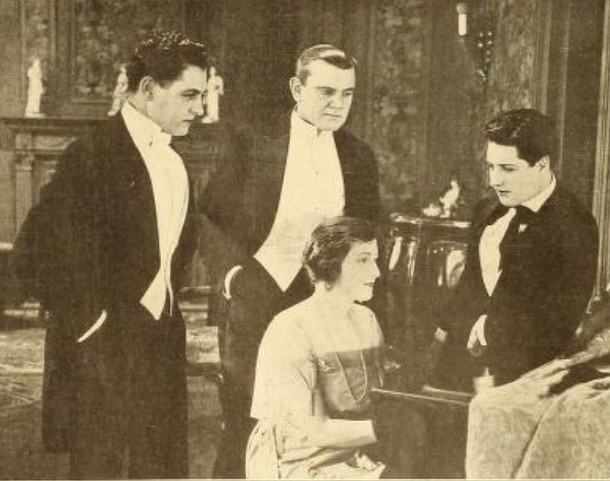
In The Cabaret, Harley Knoles pushes the boundaries of conventional narrative. The film's unique approach to its subject matter has sparked endless debates and interpretations among cinephiles and critics alike.
| Cinematography | Static |
| Soundtrack | Minimalist |
| Editing | Disjunctive |
| Art Direction | Baroque |
Visualizing the convergence of Harley Knoles's style and the core cult narrative.
Helene, who dances in a Greenwich Village cabaret accompanied on the violin by her grandfather, loses her job after his death. She then is hired as a portrait model by four artists--Jaffrey Darrel, Ned Lorrimer, Dick Turner and Stanley Sargent--all of whom become fascinated with her. Helene leaves the Village when Ned's jealousy disrupts the camaraderie of the quartet and becomes a stage star. Meanwhile, all of the artists have attained success except Jaffrey, who refuses to taint his art with commercialism. Helene, learning of Jaffrey's failure, visits him in the Village and accepts his marriage proposal.
Decades after its release, The Cabaret remains a vital piece of the cinematic puzzle. Its influence can be seen in countless modern works, solidifying Harley Knoles's status as a master of the craft in United States and beyond.