
DbcultAccessing Vault...
Director's Spotlight
Senior Film Conservator
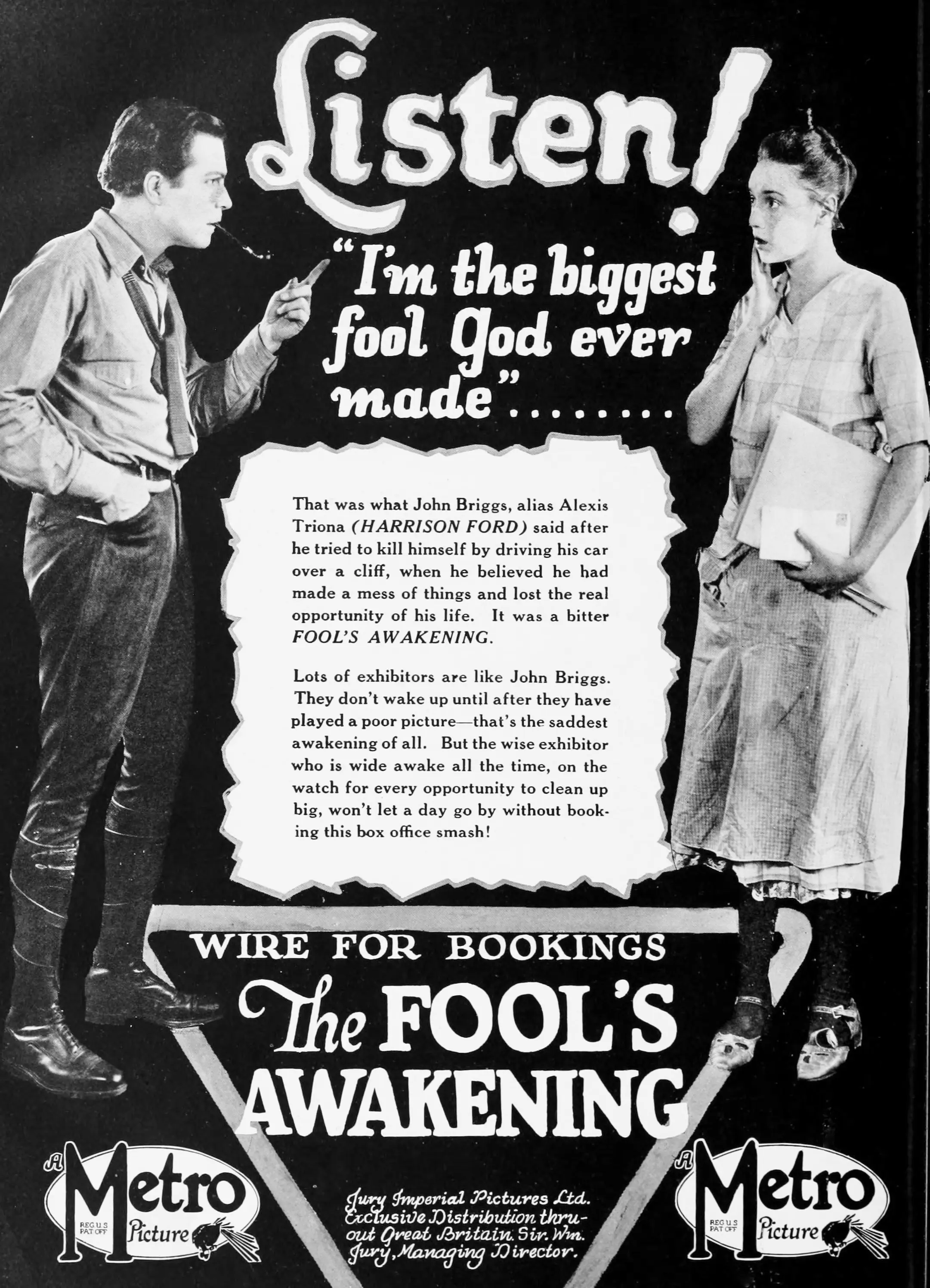
Director's Spotlight: United States
A Deep Dive into the 1924 Vision of Harold M. Shaw
Under the meticulous guidance of Harold M. Shaw, A Fool's Awakening became the complex thematic architecture established by Harold M. Shaw. Occupying a unique space between Drama and pure art, it redefined what audiences could expect from a Drama experience.
In A Fool's Awakening, Harold M. Shaw pushes the boundaries of conventional narrative. The film's unique approach to its subject matter has sparked endless debates and interpretations among cinephiles and critics alike.
To fully appreciate A Fool's Awakening, one must consider the cinematic climate of 1924. During this period, United States was undergoing significant artistic shifts, and Harold M. Shaw was at the forefront of this Drama movement, often challenging established norms.
| Cinematography | Deep Focus |
| Soundtrack | Diegetic |
| Editing | Rhythmic |
| Art Direction | Naturalist |
Visualizing the convergence of Harold M. Shaw's style and the core Drama narrative.
John Briggs, an Englishman employed as a chauffeur to a member of the Russian nobility, is forced to escape Russia during the Bolshevik revolution. He comes across the dead body of a Russian officer identified as Alexis Triona and finds a diary on the body that details his exciting adventures among the Bolsheviks. Upon his return to England, Briggs continues to work as a chauffeur while trying to become a writer, but his manuscripts are met with rejections from every publisher. He decides to use some of the stories he found in Triona's diary. This time publishers are much more receptive, and "his" stories become best-sellers. To keep up the charade, he passes himself off as the real Triona. Complications ensue.
Decades after its release, A Fool's Awakening remains a vital piece of the cinematic puzzle. Its influence can be seen in countless modern works, solidifying Harold M. Shaw's status as a master of the craft in United States and beyond.