
DbcultAccessing Vault...
Director's Spotlight
Senior Film Conservator
Director's Spotlight: United States
A Deep Dive into the 1922 Vision of Harry A. Pollard
Analyzing A Fool and His Money (1922) requires a deep dive into the unique directorial voice that Harry A. Pollard brought to the screen. By challenging the status quo of 1922 cinema, it continues to spark endless debates among critics and cinephiles alike.
In A Fool and His Money, Harry A. Pollard pushes the boundaries of conventional narrative. The film's unique approach to its subject matter has sparked endless debates and interpretations among cinephiles and critics alike.
| Cinematography | Static |
| Soundtrack | Experimental |
| Editing | Elliptical |
| Art Direction | Expressionist |
Visualizing the convergence of Harry A. Pollard's style and the core Sport narrative.
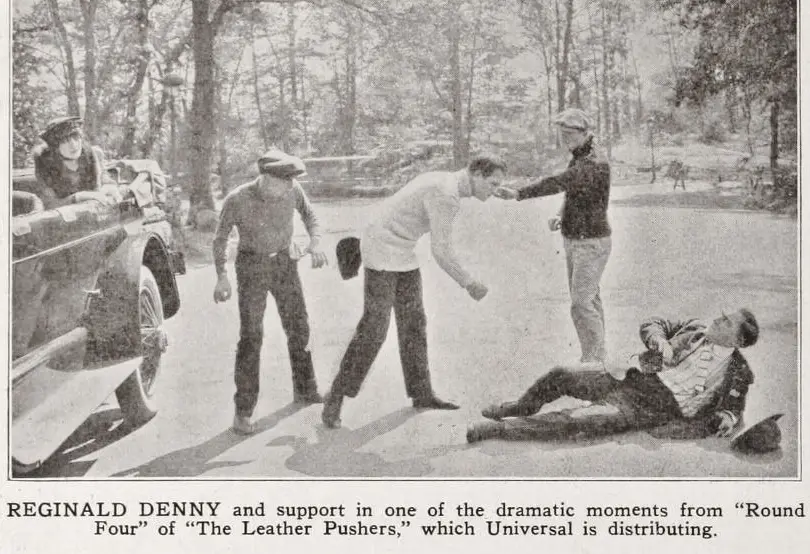
Kane is very much interested in a new sweetheart who is a professional skater. His old girl goes over to the enemy's camp and spurs on the rival by telling him that Kane insulted her. The fighter can hardly wait for the day set for the battle, but attacks Kane on the ice in Central Park. During the fight Kane is folded but refuses to accept the decision and goes on to a finish. He knocks out his opponent, but falls down from fatigue. The referee starts counting both fighters out, but reaching "nine" finds Kane recovered and upon his feet. The two girls then enter the ring and proceed to finish the battle.
Decades after its release, A Fool and His Money remains a vital piece of the cinematic puzzle. Its influence can be seen in countless modern works, solidifying Harry A. Pollard's status as a master of the craft in United States and beyond.