
DbcultAccessing Vault...
Director's Spotlight
Senior Film Conservator
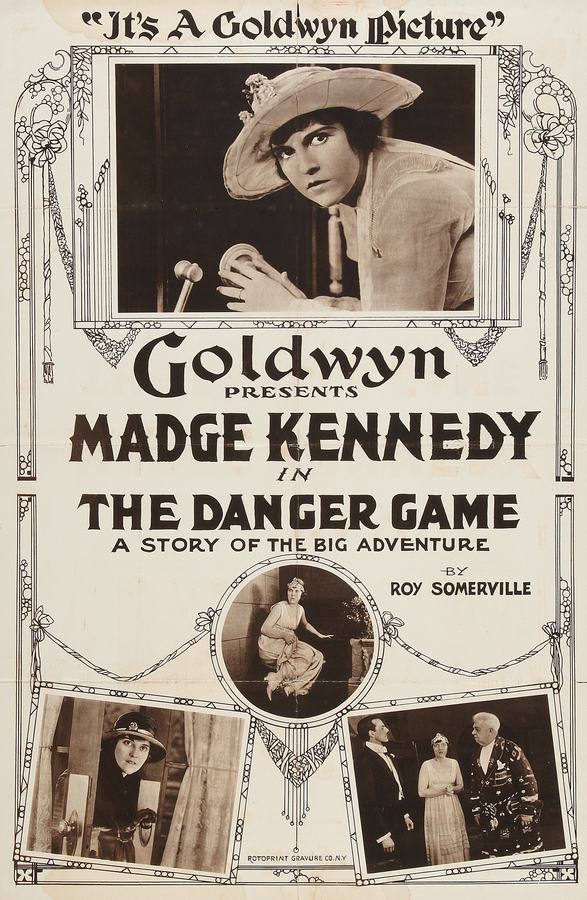
Director's Spotlight: United States
A Deep Dive into the 1918 Vision of Harry A. Pollard
Peeling back the layers of Harry A. Pollard's The Danger Game exposes the technical innovation that Harry A. Pollard introduced to the cult format. Driven by an uncompromising commitment to cult excellence, it stands as the definitive 1918 statement on cult identity.
In The Danger Game, Harry A. Pollard pushes the boundaries of conventional narrative. The film's unique approach to its subject matter has sparked endless debates and interpretations among cinephiles and critics alike.
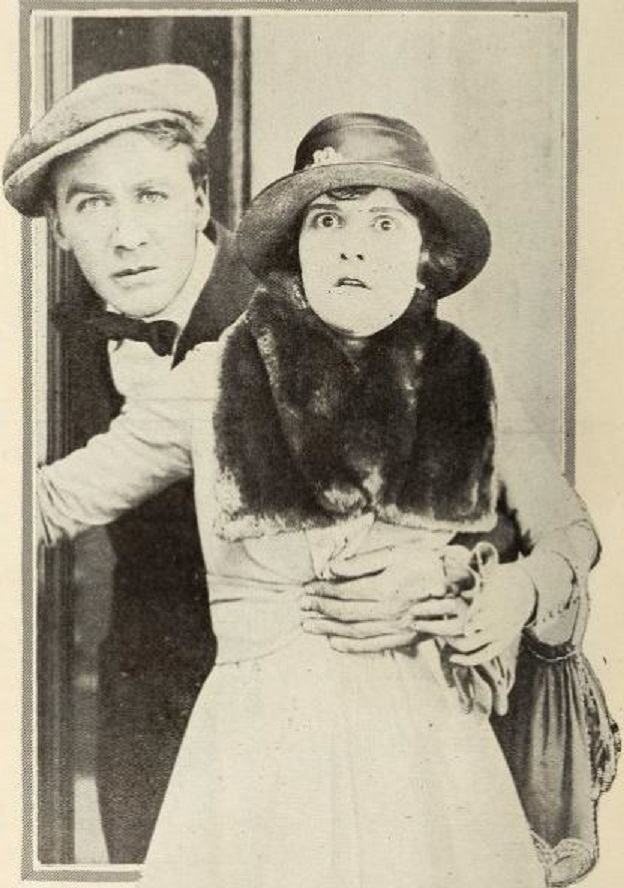
To fully appreciate The Danger Game, one must consider the cinematic climate of 1918. During this period, United States was undergoing significant artistic shifts, and Harry A. Pollard was at the forefront of this cult movement, often challenging established norms.
| Cinematography | Deep Focus |
| Soundtrack | Orchestral |
| Editing | Slow-Burn |
| Art Direction | Brutalist |
Visualizing the convergence of Harry A. Pollard's style and the core cult narrative.
A naive débutante longs for a romantic adventure, and sets out to have one, scandalous or not. She rashly decides to burgle a random home, but is caught. At the jail, she's mistaken for a notorious con woman, and nervously is taken into a gang.
Decades after its release, The Danger Game remains a vital piece of the cinematic puzzle. Its influence can be seen in countless modern works, solidifying Harry A. Pollard's status as a master of the craft in United States and beyond.