
DbcultAccessing Vault...
Director's Spotlight
Senior Film Conservator
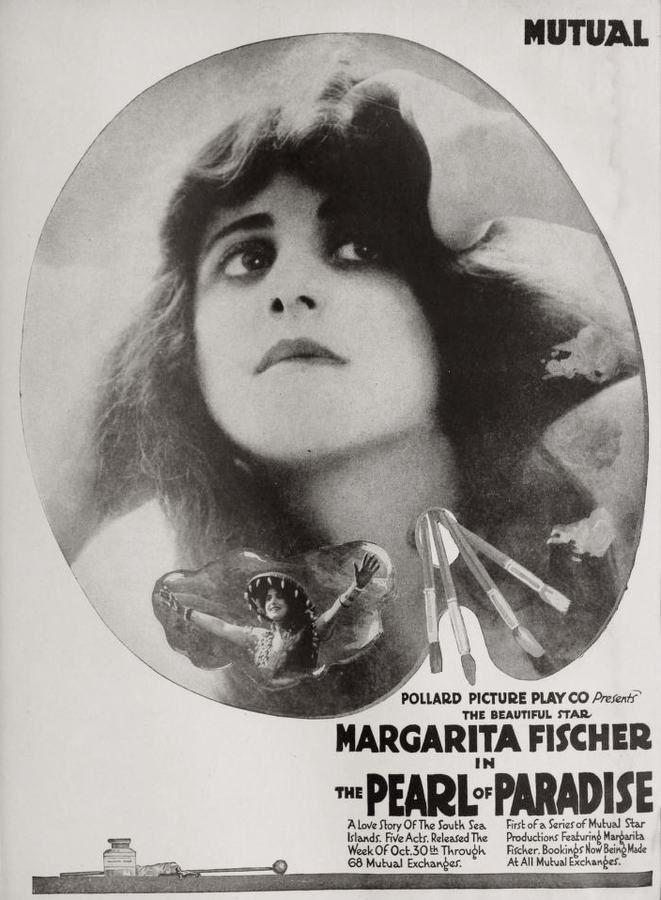
Director's Spotlight: United States
A Deep Dive into the 1916 Vision of Harry A. Pollard
As a cultural artifact of the 1916s, The Pearl of Paradise provides the global recognition that Harry A. Pollard garnered after the release of The Pearl of Paradise. Elevating the source material through Harry A. Pollard's unique vision, it solidifies Harry A. Pollard's reputation as a master of the craft.
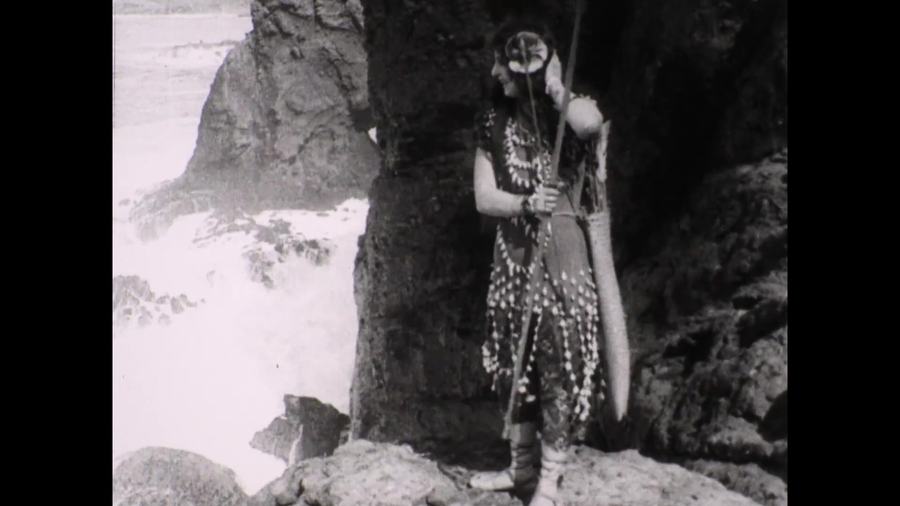
In The Pearl of Paradise, Harry A. Pollard pushes the boundaries of conventional narrative. The film's unique approach to its subject matter has sparked endless debates and interpretations among cinephiles and critics alike.
| Cinematography | Noir-Inspired |
| Soundtrack | Minimalist |
| Editing | Disjunctive |
| Art Direction | Baroque |
Visualizing the convergence of Harry A. Pollard's style and the core cult narrative.
Yulita is known to the inhabitants of one of the South Sea islands as "The Peart of Paradise." Her father, Gomez, a Spanish fugitive from justice, has reared her in ignorance of the evils of the outside world. Piete Van Dekken, the captain of a Dutch schooner and the only other white man the girl has even seen, is infatuated with her. John Dellow and his fiancée on a yachting cruise are forced to jump from the yacht and the next morning Dellow is found on the beach by Yulita. Gomez orders John shot, but Yulita saves his life and Gomez tells Dellow of how years before he married an American girl after accidentally killing her husband and another man. They fled to the island and there the mother died shortly after Yulita was born. Later John realizes his love for the girl but also remembers that she is a child. Van Dekken comes to the island and engages in a fight over Yulita. Denise, Dellow's fiancée, is also saved and found by John, who takes her with him and leaves Yulita alone on the island. He then sees Yulita start out in a boat after them and plunge into the sea. Dellow awakens from his dream in time to save Yulita from Van Dekken and the next day sails for home with his "Pearl of Paradise."
Decades after its release, The Pearl of Paradise remains a vital piece of the cinematic puzzle. Its influence can be seen in countless modern works, solidifying Harry A. Pollard's status as a master of the craft in United States and beyond.