
DbcultAccessing Vault...
Director's Spotlight
Senior Film Conservator
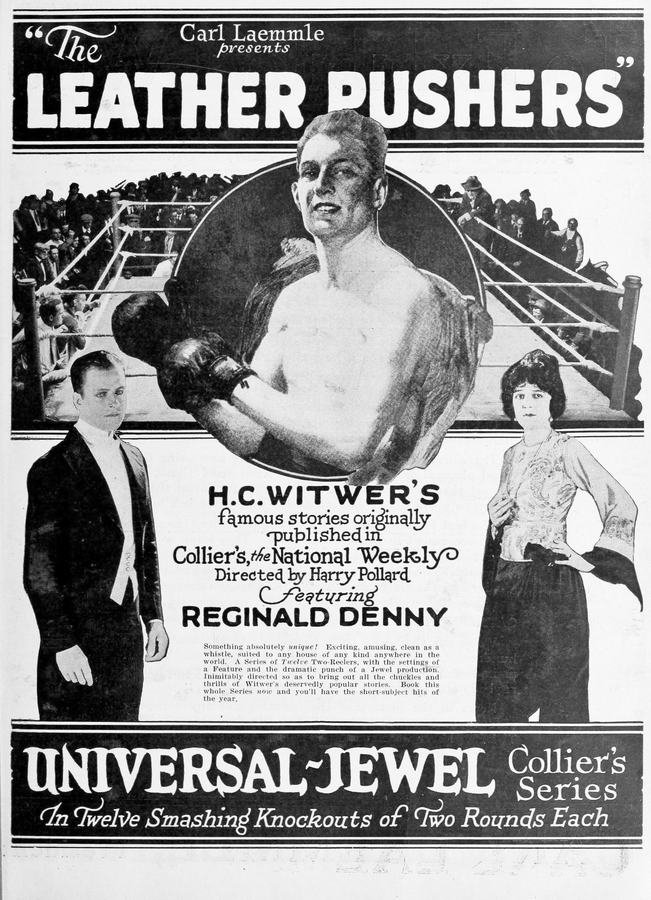
Director's Spotlight: United States
A Deep Dive into the 1922 Vision of Harry A. Pollard
Peeling back the layers of Harry A. Pollard's The Taming of the Shrewd exposes the collaborative alchemy between Harry A. Pollard and the 1922 creative team. Anchored by a narrative that is both personal and universal, it reinforces the idea that cinema is a medium of infinite possibilities.
In The Taming of the Shrewd, Harry A. Pollard pushes the boundaries of conventional narrative. The film's unique approach to its subject matter has sparked endless debates and interpretations among cinephiles and critics alike.
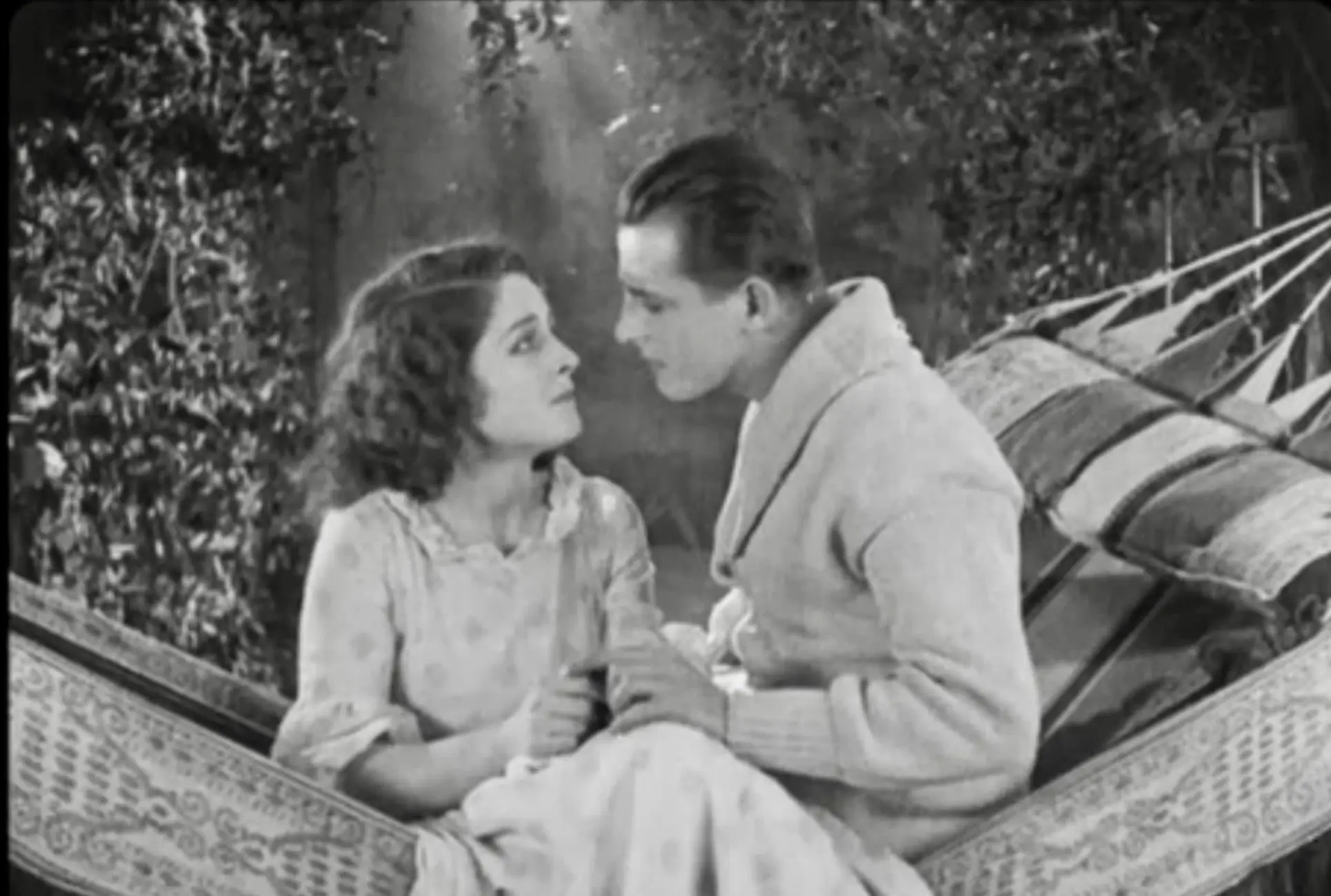
In this work, Harry A. Pollard explores the intersection of Short and United States cultural identity. The meticulous attention to detail suggests a deep-seated commitment to pushing the boundaries of the medium, ensuring that The Taming of the Shrewd remains a relevant topic of study for Short enthusiasts.
| Cinematography | Static |
| Soundtrack | Minimalist |
| Editing | Disjunctive |
| Art Direction | Baroque |
Visualizing the convergence of Harry A. Pollard's style and the core Short narrative.
In New Orleans, Kid Roberts is lured to a rooming house just before the fight, where he is bound hand a foot, and it looks as though all bets would be forfeited. A free-for-all fight is staged as a preliminary, and while this is going on Kid Roberts gains his freedom and arrives in time for the feature event. At a given signal the lights of the hall were to be turned off, and this have his adversary a chance to knock the Kid out, in the second round. The Kid is mad clear through, however, and knocks his man through the ropes in the first round and wins the fight.
Decades after its release, The Taming of the Shrewd remains a vital piece of the cinematic puzzle. Its influence can be seen in countless modern works, solidifying Harry A. Pollard's status as a master of the craft in United States and beyond.