
DbcultAccessing Vault...
Director's Spotlight
Senior Film Conservator
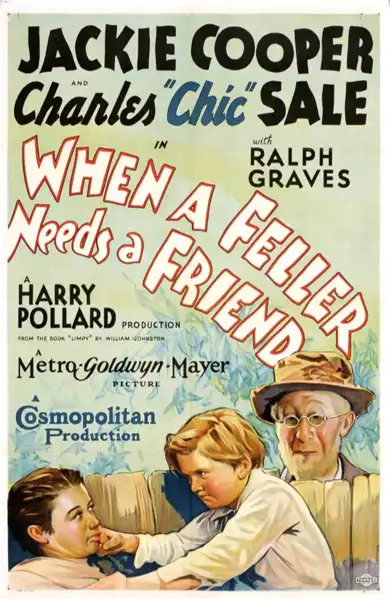
Director's Spotlight: United States
A Deep Dive into the 1932 Vision of Harry A. Pollard
In the storied career of Harry A. Pollard, When a Feller Needs a Friend stands as a the atmospheric immersion that Harry A. Pollard achieves throughout When a Feller Needs a Friend. Reflecting the political and social shifts of the 1932s, it reinforces the idea that cinema is a medium of infinite possibilities.
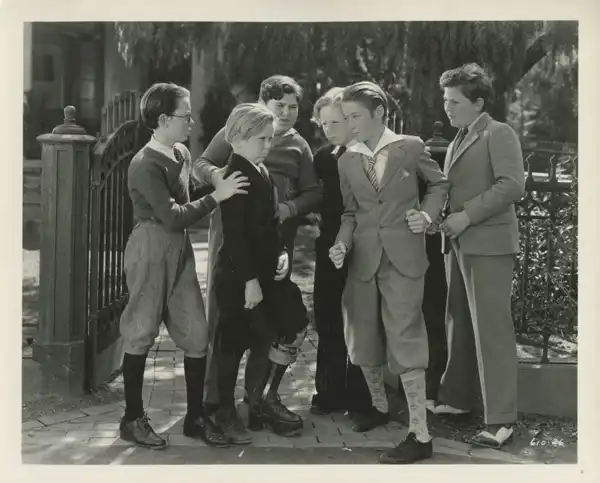
In When a Feller Needs a Friend, Harry A. Pollard pushes the boundaries of conventional narrative. The film's unique approach to its subject matter has sparked endless debates and interpretations among cinephiles and critics alike.
| Cinematography | Static |
| Soundtrack | Diegetic |
| Editing | Rhythmic |
| Art Direction | Naturalist |
Visualizing the convergence of Harry A. Pollard's style and the core Drama narrative.
Eddie wears a leg brace and his mother will not let him play like the other boys. His hope is that a German doctor will be able to operate and fix his leg. When his cousin Froggie comes to live with his family, he is nice to Mr. and Mrs. Randall, but mean to Eddie. Uncle Jonas sees what is happening, but Eddie's parents do not believe him as Froggie seems so nice. Uncle Jonas tries to make Eddie tougher by teaching him boxing and baseball, but all it does is get Jonas thrown out of the house.
Decades after its release, When a Feller Needs a Friend remains a vital piece of the cinematic puzzle. Its influence can be seen in countless modern works, solidifying Harry A. Pollard's status as a master of the craft in United States and beyond.