
DbcultAccessing Vault...
Director's Spotlight
Senior Film Conservator
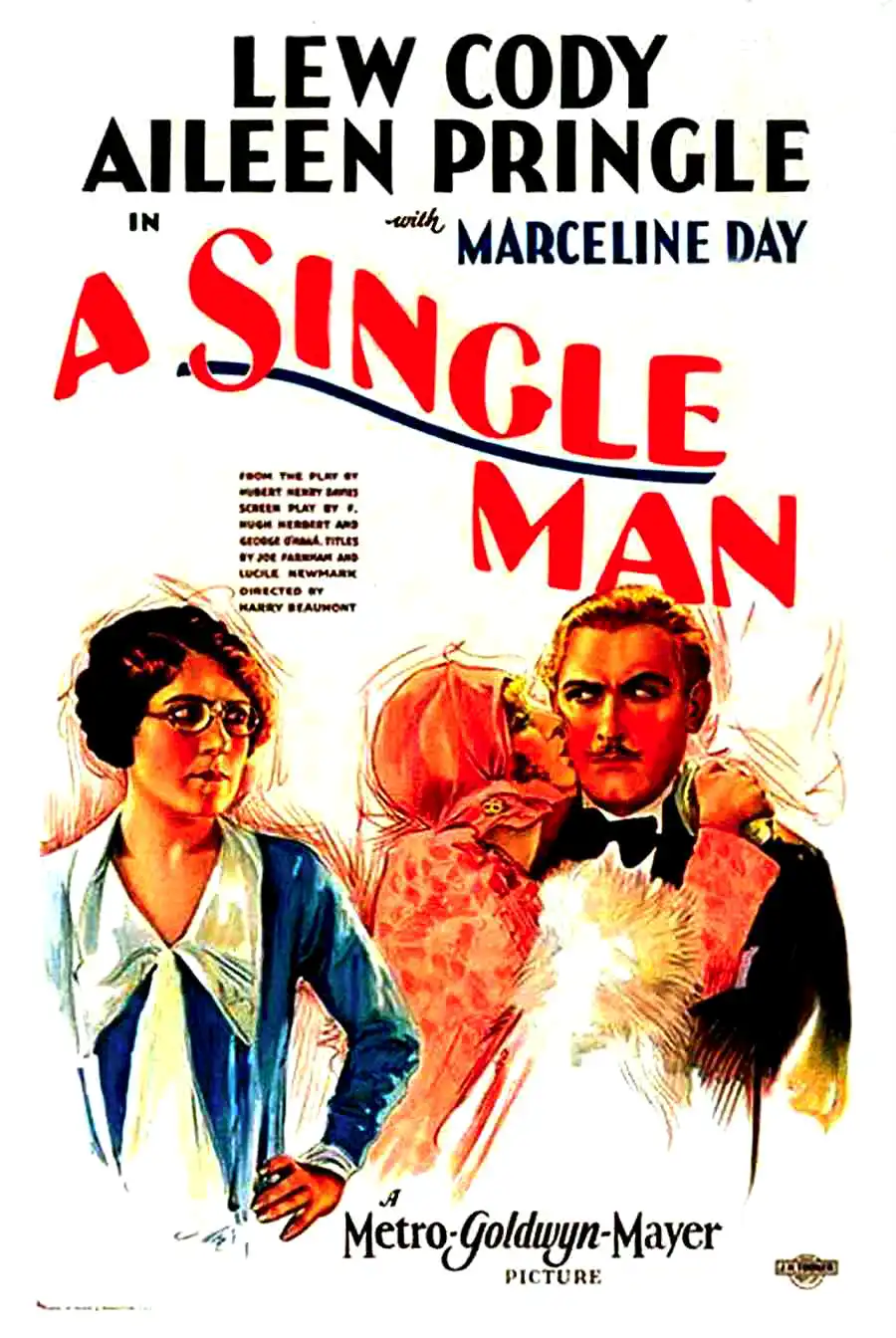
Director's Spotlight: United States
A Deep Dive into the 1929 Vision of Harry Beaumont
To understand the modern evolution of United States film, one must first look at A Single Man and the collaborative alchemy between Harry Beaumont and the 1929 creative team. Subverting the expectations of the typical 1929 audience, it remains a vital reference point for anyone studying the evolution of Harry Beaumont.
In A Single Man, Harry Beaumont pushes the boundaries of conventional narrative. The film's unique approach to its subject matter has sparked endless debates and interpretations among cinephiles and critics alike.
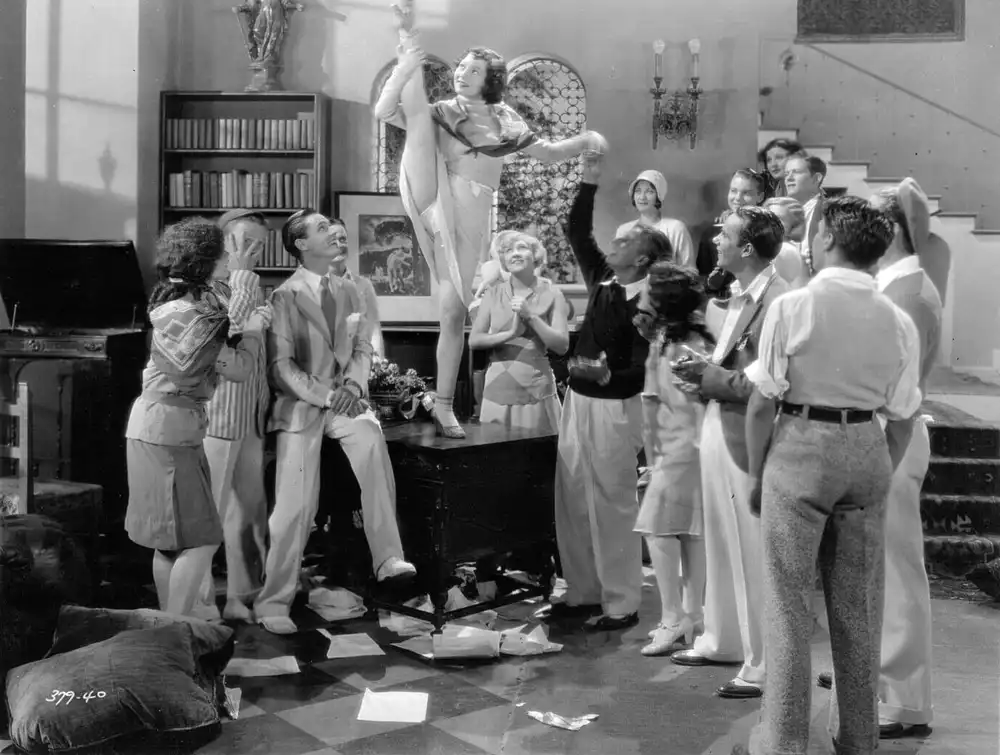
In this work, Harry Beaumont explores the intersection of Comedy and United States cultural identity. The meticulous attention to detail suggests a deep-seated commitment to pushing the boundaries of the medium, ensuring that A Single Man remains a relevant topic of study for Comedy enthusiasts.
| Cinematography | Deep Focus |
| Soundtrack | Diegetic |
| Editing | Elliptical |
| Art Direction | Expressionist |
Visualizing the convergence of Harry Beaumont's style and the core Comedy narrative.
Robin Worthington (Lew Cody), a middle-aged man attracted by a young woman, at first avoids her, then falls for her. He undergoes a profound change in temperament, but in the end he marries his secretary, Mary Hazeltine (Aileen Pringle), who had gone away plain and come back strikingly beautiful and wearing the latest new fashions.
Decades after its release, A Single Man remains a vital piece of the cinematic puzzle. Its influence can be seen in countless modern works, solidifying Harry Beaumont's status as a master of the craft in United States and beyond.