
DbcultAccessing Vault...
Director's Spotlight
Senior Film Conservator
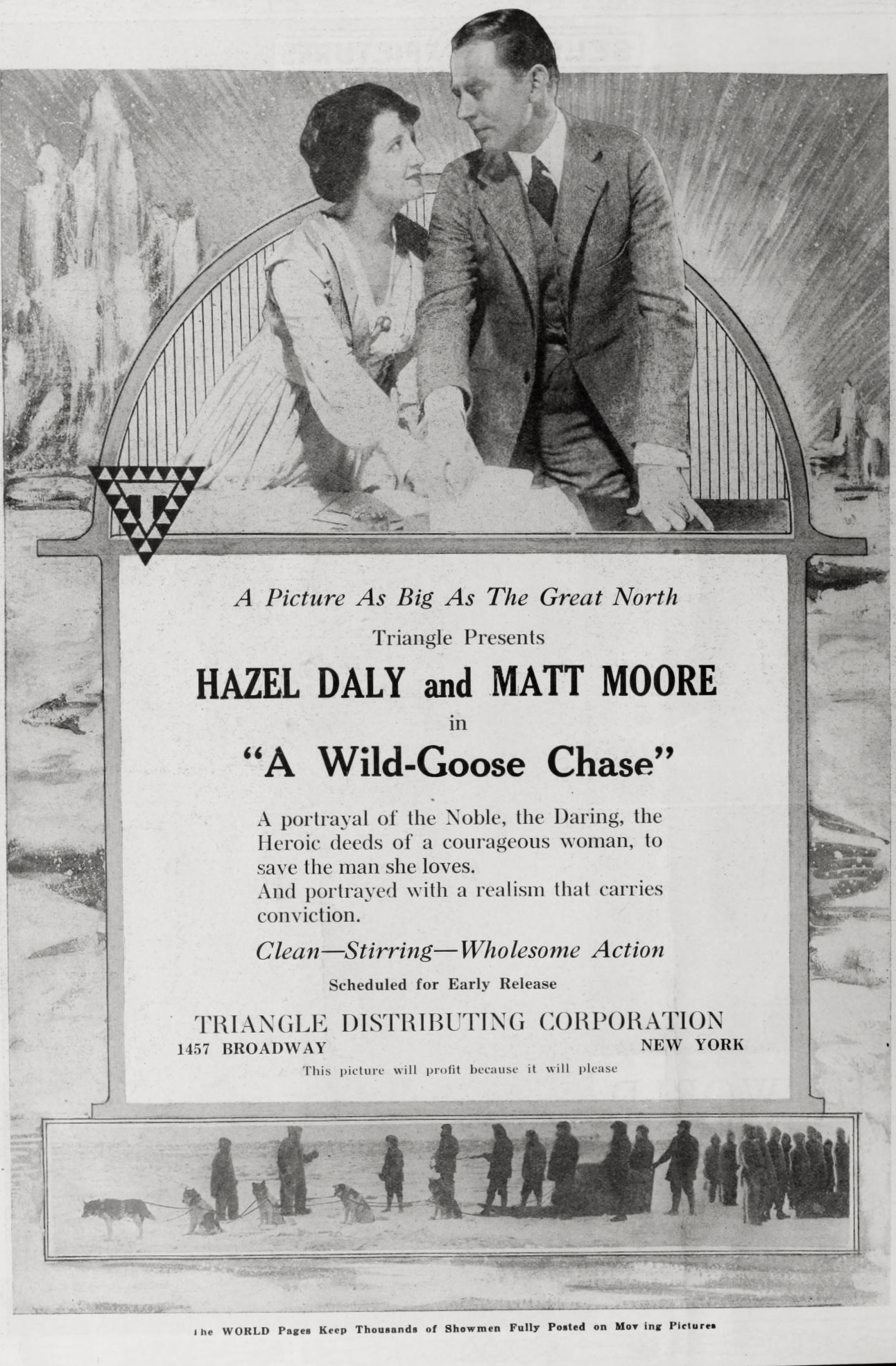
Director's Spotlight: United States
A Deep Dive into the 1919 Vision of Harry Beaumont
The brilliance of A Wild Goose Chase (1919) is inseparable from the visionary mind of its creator, Harry Beaumont. Serving as a mirror to the anxieties of a changing world, it persists as a haunting reminder of our own cinematic history.
In A Wild Goose Chase, Harry Beaumont pushes the boundaries of conventional narrative. The film's unique approach to its subject matter has sparked endless debates and interpretations among cinephiles and critics alike.
While deeply rooted in United States, A Wild Goose Chase has achieved a global reach, influencing directors from various backgrounds. Its ability to translate cult tropes into a universal cinematic language is why it remains a cult staple decades after its 1919 release.
| Cinematography | Deep Focus |
| Soundtrack | Experimental |
| Editing | Invisible |
| Art Direction | Kitsch |
Visualizing the convergence of Harry Beaumont's style and the core cult narrative.
Margaret Sherwood's fiancé has disappeared in the Arctic and she hasn't heard from him in two years. Yet she does not believe he died. Price Latham, in love with Margaret, offers to organize a new expedition to prove otherwise. In return, she promises to marry Latham, come what may. Latham sneakily tries to sabotage the trip but Providence, in the form of an Eskimo hunter with a spike, dispenses Margaret from keeping her word. The fiancé, found at last, takes the young girl back to friendlier skies under the northern lights.
Decades after its release, A Wild Goose Chase remains a vital piece of the cinematic puzzle. Its influence can be seen in countless modern works, solidifying Harry Beaumont's status as a master of the craft in United States and beyond.