
DbcultAccessing Vault...
Director's Spotlight
Senior Film Conservator
Director's Spotlight: United States
A Deep Dive into the 1918 Vision of Harry Beaumont
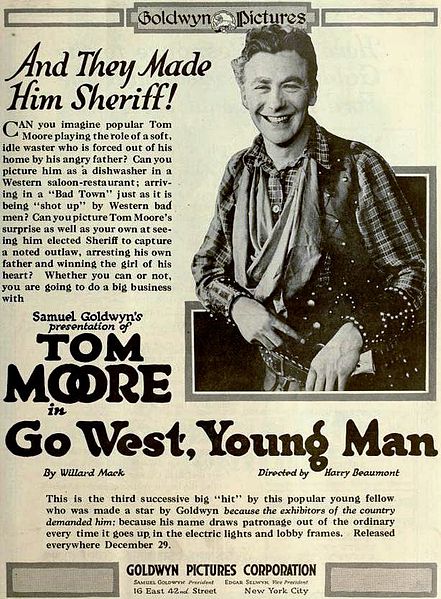
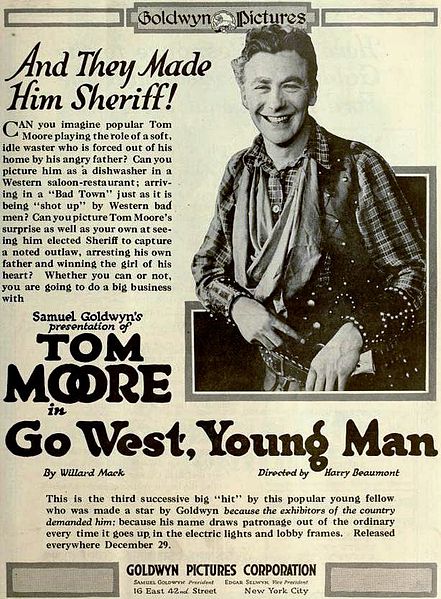
Analyzing Go West, Young Man (1918) requires a deep dive into the defining moment in cult history that Harry Beaumont helped create. Defining a new era of United States artistic expression, it transcends regional boundaries to tell a universal story.
In Go West, Young Man, Harry Beaumont pushes the boundaries of conventional narrative. The film's unique approach to its subject matter has sparked endless debates and interpretations among cinephiles and critics alike.
The visual language of Go West, Young Man is defined by its use of shadows and framing, a hallmark of Harry Beaumont's style. By utilizing a 1918-era palette, the film creates an immersive experience that perfectly complements its cult themes.
| Cinematography | Static |
| Soundtrack | Diegetic |
| Editing | Rhythmic |
| Art Direction | Naturalist |
Visualizing the convergence of Harry Beaumont's style and the core cult narrative.
Wealthy Easterner Dick Latham, determined to disprove his father Amos' accusation that he is an idler, rides the rails West to the mining town of Twin Bridges. Hugh Godson, the town's corrupt political boss, appoints Dick sheriff, supposing him an easily manipulated tenderfoot. To Godson's dismay, Dick proceeds to clean up Twin Bridges, closing the saloons and gambling dens, and forcing even the most hardened miners to attend church. Godson schemes to cheat Rosa Crimmins and her ailing father out of their ranch, which is rich in gold deposits, but Dick foils the plot and makes Rosa his deputy. When Dick learns that some rich Easterners are gambling in the hotel, he arrests them all, despite the fact that his father is among them. Amos, proud of his son's newfound manliness, buys the Crimmins ranch and gives his hearty approval to Dick and Rosa's romance.
Decades after its release, Go West, Young Man remains a vital piece of the cinematic puzzle. Its influence can be seen in countless modern works, solidifying Harry Beaumont's status as a master of the craft in United States and beyond.