
DbcultAccessing Vault...
Director's Spotlight
Senior Film Conservator
Director's Spotlight: United States
A Deep Dive into the 1920 Vision of Harry Beaumont
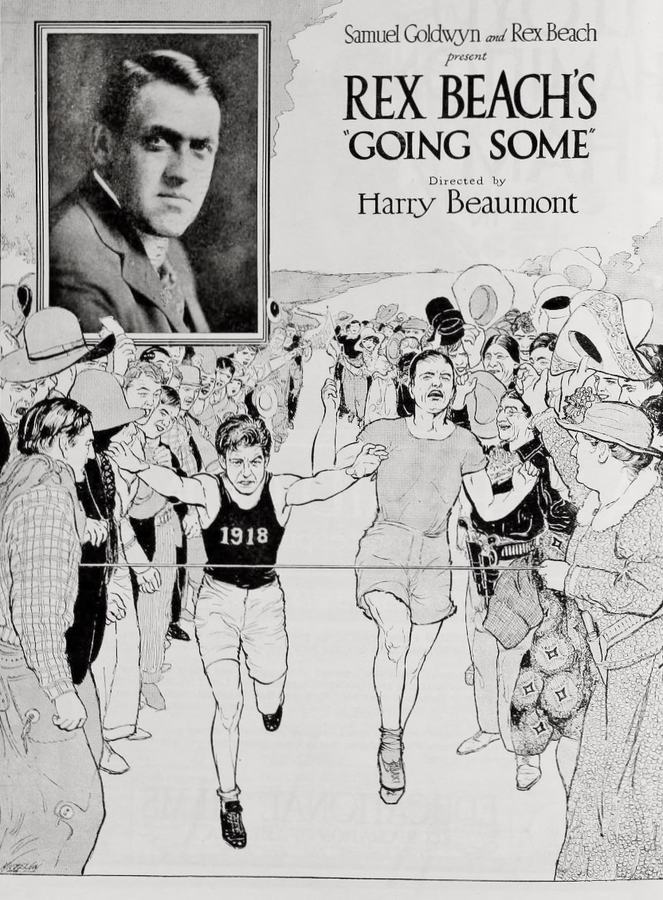
In the storied career of Harry Beaumont, Going Some stands as a the provocative questions that Harry Beaumont poses to the United States audience. Elevating the source material through Harry Beaumont's unique vision, it persists as a haunting reminder of our own cinematic history.
In Going Some, Harry Beaumont pushes the boundaries of conventional narrative. The film's unique approach to its subject matter has sparked endless debates and interpretations among cinephiles and critics alike.
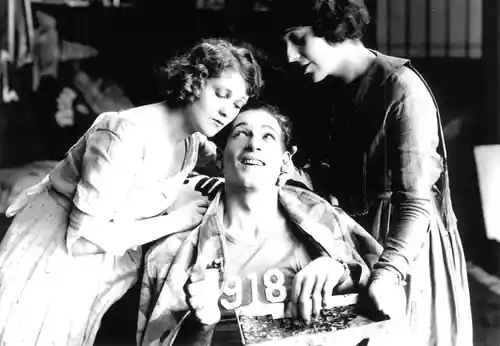
While deeply rooted in United States, Going Some has achieved a global reach, influencing directors from various backgrounds. Its ability to translate Sport tropes into a universal cinematic language is why it remains a cult staple decades after its 1920 release.
| Cinematography | Handheld |
| Soundtrack | Experimental |
| Editing | Elliptical |
| Art Direction | Expressionist |
Visualizing the convergence of Harry Beaumont's style and the core Sport narrative.
Upon observing the adoration that track star Culver Covington receives, his friend, J. Wallingford Speed, decides to impress Helen Blake by also posing as a sprinter. Meanwhile, when Roberta Keap decides to retire to her Western ranch while awaiting her divorce, Speed, Helen and various friends accompany her while her husband Donald takes up residence at the neighboring Gallagher ranch. A rivalry springs up between the two ranches, and Helen persuades Speed to challenge the Keap homestead in a footrace. Matters become serious when Roberta and Mrs. Gallagher bet their entire holdings on the race. It begins to look ominous for the Keaps when their star sprinter develops a lame foot, thus placing the burden of winning on Speed. Miraculously, the intense competition of the race spurs Speed to win both his match and Helen's love, while also accomplishing the reconciliation of Donald and Roberta.
Decades after its release, Going Some remains a vital piece of the cinematic puzzle. Its influence can be seen in countless modern works, solidifying Harry Beaumont's status as a master of the craft in United States and beyond.