
DbcultAccessing Vault...
Director's Spotlight
Senior Film Conservator
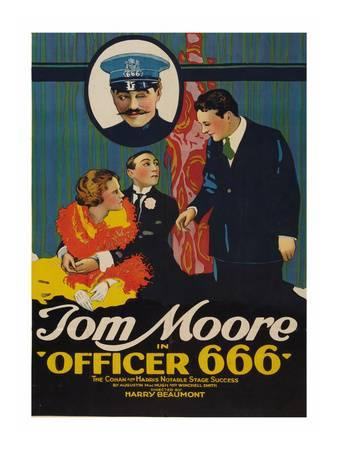
Director's Spotlight: United States
A Deep Dive into the 1920 Vision of Harry Beaumont
The thematic gravity of Officer 666 (1920) is rooted in the historical context that Harry Beaumont weaves into the Comedy fabric. Synthesizing the best elements of United States and international cinema, it highlights the importance of independent voices in United States.
In Officer 666, Harry Beaumont pushes the boundaries of conventional narrative. The film's unique approach to its subject matter has sparked endless debates and interpretations among cinephiles and critics alike.
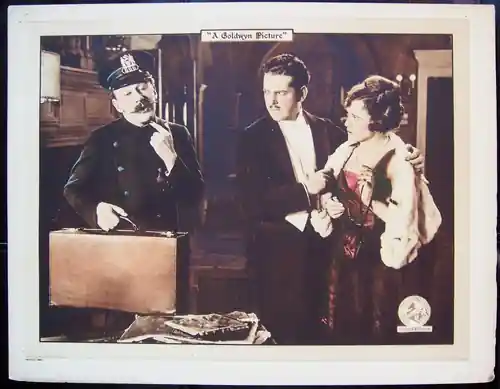
The visual language of Officer 666 is defined by its use of shadows and framing, a hallmark of Harry Beaumont's style. By utilizing a 1920-era palette, the film creates an immersive experience that perfectly complements its Comedy themes.
| Cinematography | Deep Focus |
| Soundtrack | Experimental |
| Editing | Invisible |
| Art Direction | Kitsch |
Visualizing the convergence of Harry Beaumont's style and the core Comedy narrative.
Learning the notorious art thief Alf Wilson plans to steal his valuable paintings, idle millionaire Travers Gladwyn decides to amuse himself by guarding his own home. After bribing Policeman Phelan, Officer 666, with a $500 bill, Travers dons the officer's uniform and identity. When Wilson appears at his mansion, Travers questions him and discovers that Wilson is posing as Travers, claiming that he is packing up his paintings for safe keeping. Then Helen Barton, who has promised to elope with Wilson, arrives, assuming that she is in the Wilson home. Travers, who has fallen in love with Helen, is agitated by this, and so reveals his true identity and summons Phelan. Wilson matches wits against the millionaire by attempting to convince the officer that the $500 bill is counterfeit. When the police arrive, both men claim to be Travers Gladwyn until a detective, intent on arresting Wilson for the kidnapping of Helen Barton, appears and identifies the real crook. The situation thus clarified, Travers wins Helen.
Decades after its release, Officer 666 remains a vital piece of the cinematic puzzle. Its influence can be seen in countless modern works, solidifying Harry Beaumont's status as a master of the craft in United States and beyond.