
DbcultAccessing Vault...
Director's Spotlight
Senior Film Conservator
Director's Spotlight: United States
A Deep Dive into the 1920 Vision of Harry Beaumont
Analyzing Stop Thief (1920) requires a deep dive into the unique directorial voice that Harry Beaumont brought to the screen. By challenging the status quo of 1920 cinema, it continues to spark endless debates among critics and cinephiles alike.
In Stop Thief, Harry Beaumont pushes the boundaries of conventional narrative. The film's unique approach to its subject matter has sparked endless debates and interpretations among cinephiles and critics alike.
| Cinematography | Deep Focus |
| Soundtrack | Orchestral |
| Editing | Slow-Burn |
| Art Direction | Brutalist |
Visualizing the convergence of Harry Beaumont's style and the core Comedy narrative.
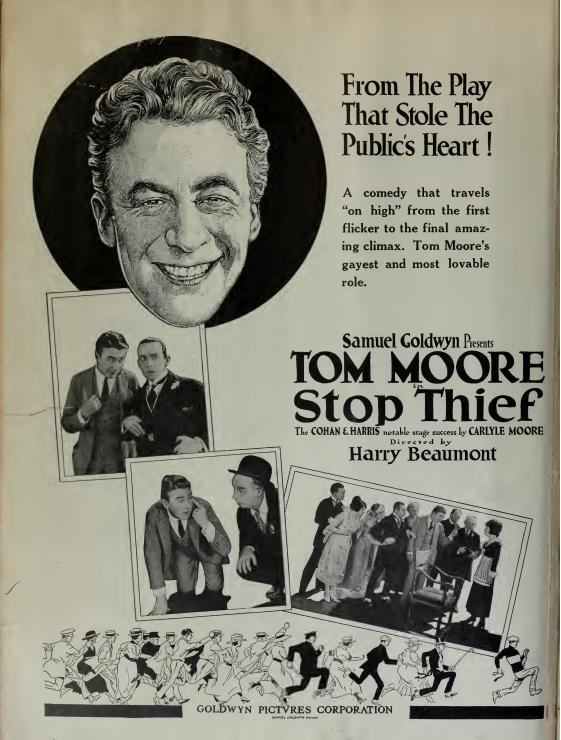
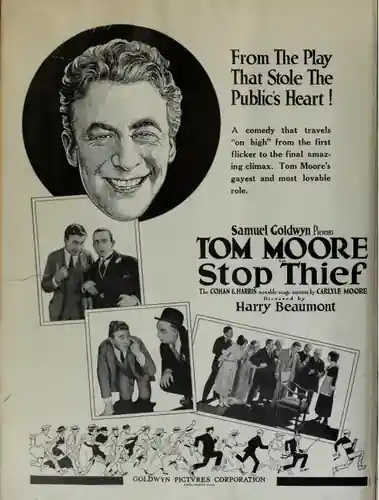
When Jack Dougan and Snatcher Nell, partners in crime as well as love, decide to purloin the gifts at the wedding of Madge Carr to James Cluney, Nell poses as a maid to gain entrance to the household. Soon after, articles begin to disappear and Madge's father, a kleptomaniac, begins to feel guilty, while the groom almost suspects himself. A detective is summoned, but Dougan, pretending to be Cluney, waylays him, pickpockets his badge, and then impersonates the officer of the law. After various adventures, Nell and Dougan make a getaway but, eventually cornered, return to the Carrs and tell their story. All is forgiven and the two couples share a double wedding ceremony.
Decades after its release, Stop Thief remains a vital piece of the cinematic puzzle. Its influence can be seen in countless modern works, solidifying Harry Beaumont's status as a master of the craft in United States and beyond.