
DbcultAccessing Vault...
Director's Spotlight
Senior Film Conservator
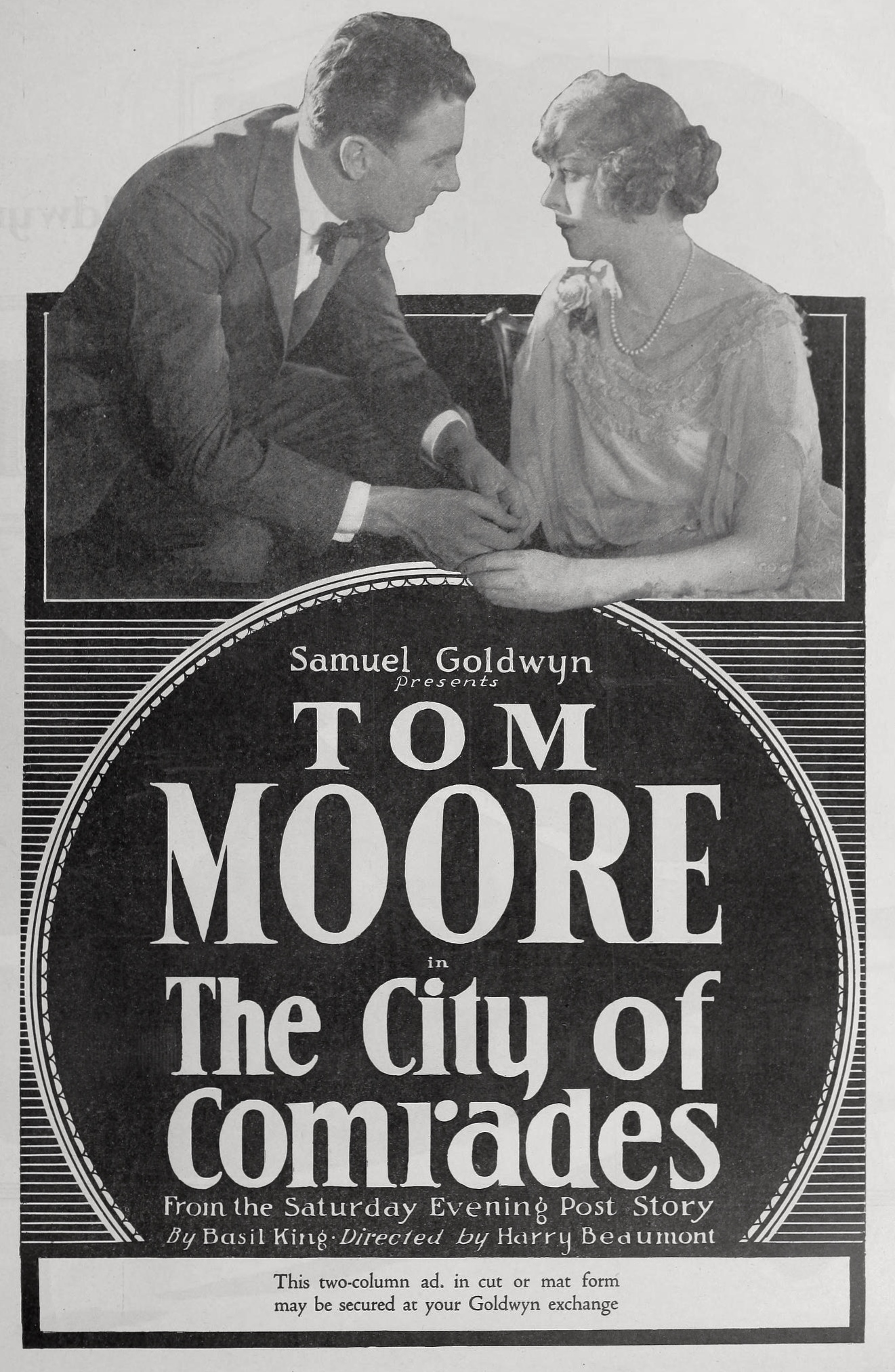
Director's Spotlight: United States
A Deep Dive into the 1919 Vision of Harry Beaumont
The cult DNA of The City of Comrades is a reflection of United States's the subversive storytelling techniques employed by Harry Beaumont in 1919. Breaking the traditional rules of cult engagement, it leaves an indelible mark on the soul of the viewer.
In The City of Comrades, Harry Beaumont pushes the boundaries of conventional narrative. The film's unique approach to its subject matter has sparked endless debates and interpretations among cinephiles and critics alike.
To fully appreciate The City of Comrades, one must consider the cinematic climate of 1919. During this period, United States was undergoing significant artistic shifts, and Harry Beaumont was at the forefront of this cult movement, often challenging established norms.
| Cinematography | High-Contrast |
| Soundtrack | Diegetic |
| Editing | Rhythmic |
| Art Direction | Naturalist |
Visualizing the convergence of Harry Beaumont's style and the core cult narrative.
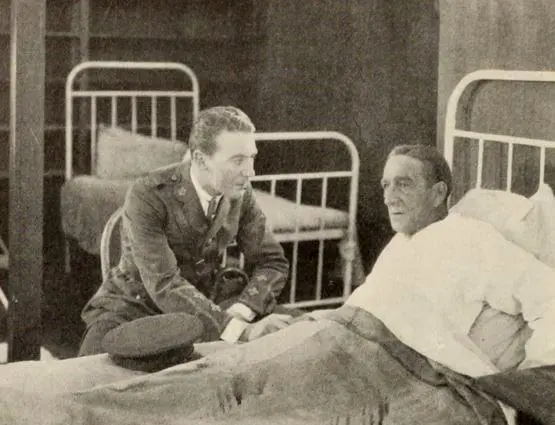
Architect Frank Melbury, whose drinking has made him a social outcast, and "Lovey," his derelict friend, are both hungry, so Frank burglarizes Regina Barry's home. He takes food and jewels, but when he overhears Regina telling her friend Elsie of her dissatisfaction with her fiancé Dr. Stephen Cantyre because she desires more out of the ordinary man, he decides to return the jewels. He is confronted by Regina, but she allows him to flee. Frank and "Lovey" then seek the help of "The City of Comrades," a social welfare home for the regeneration of derelicts. There Frank is helped by Dr. Cantyre, and is so reformed that he gets a job as an architect. Regina does not recognize him when they meet again, but he later reveals himself and she rejects him. He then enlists in the Canadian forces and is blinded in the Halifax explosion. Later, when Regina is about to marry Cantyre, she hears that Frank is ill in the hospital. She nurses him and agrees to be his wife.
Decades after its release, The City of Comrades remains a vital piece of the cinematic puzzle. Its influence can be seen in countless modern works, solidifying Harry Beaumont's status as a master of the craft in United States and beyond.