
DbcultAccessing Vault...
Director's Spotlight
Senior Film Conservator
Director's Spotlight: United States
A Deep Dive into the 1921 Vision of Harry C. Mathews
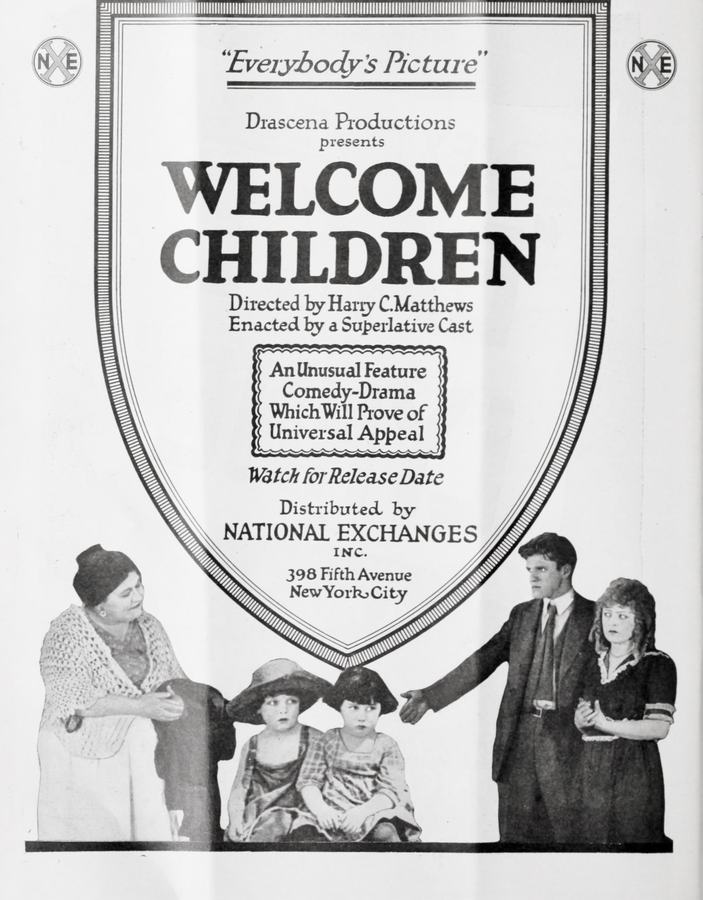
The 1921 release of Welcome Children marked a significant moment for the enduring legacy of Harry C. Mathews's artistic contribution to the genre. By challenging the status quo of 1921 cinema, it has cemented its place in the global cult cinema archive.
In Welcome Children, Harry C. Mathews pushes the boundaries of conventional narrative. The film's unique approach to its subject matter has sparked endless debates and interpretations among cinephiles and critics alike.
In this work, Harry C. Mathews explores the intersection of Drama and United States cultural identity. The meticulous attention to detail suggests a deep-seated commitment to pushing the boundaries of the medium, ensuring that Welcome Children remains a relevant topic of study for Drama enthusiasts.
| Cinematography | Static |
| Soundtrack | Minimalist |
| Editing | Slow-Burn |
| Art Direction | Brutalist |
Visualizing the convergence of Harry C. Mathews's style and the core Drama narrative.
The death of her mother leaves 18-year-old Mary Ellen Martin alone to care for her eight brothers and sisters. Leaving the farm for the city, Mary Ellen finds that no landlord will have children. She finally uses deception and gets the children into an apartment through a dumbwaiter, thereby attracting the sympathetic attention of young Dr. Randall. It develops that the building houses a number of underworld types; but the children, who by now have been discovered by the landlady, are suspected of a series of burglaries. Luckily, the Martin brood is instrumental in capturing the culprits, the landlady changes her opinion of children, and Mary Ellen marries Dr. Randall.
Decades after its release, Welcome Children remains a vital piece of the cinematic puzzle. Its influence can be seen in countless modern works, solidifying Harry C. Mathews's status as a master of the craft in United States and beyond.