
DbcultAccessing Vault...
Director's Spotlight
Senior Film Conservator
Director's Spotlight: United States
A Deep Dive into the 1923 Vision of Harry Edwards
In the storied career of Harry Edwards, All Over Twist stands as a the provocative questions that Harry Edwards poses to the United States audience. Elevating the source material through Harry Edwards's unique vision, it persists as a haunting reminder of our own cinematic history.
In All Over Twist, Harry Edwards pushes the boundaries of conventional narrative. The film's unique approach to its subject matter has sparked endless debates and interpretations among cinephiles and critics alike.
While deeply rooted in United States, All Over Twist has achieved a global reach, influencing directors from various backgrounds. Its ability to translate Short tropes into a universal cinematic language is why it remains a cult staple decades after its 1923 release.
| Cinematography | Handheld |
| Soundtrack | Minimalist |
| Editing | Disjunctive |
| Art Direction | Baroque |
Visualizing the convergence of Harry Edwards's style and the core Short narrative.
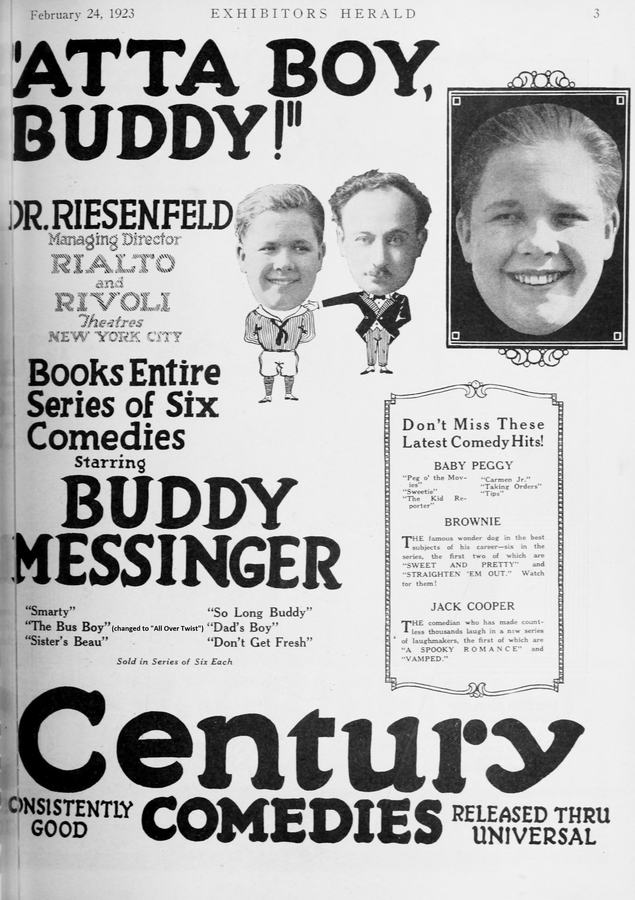
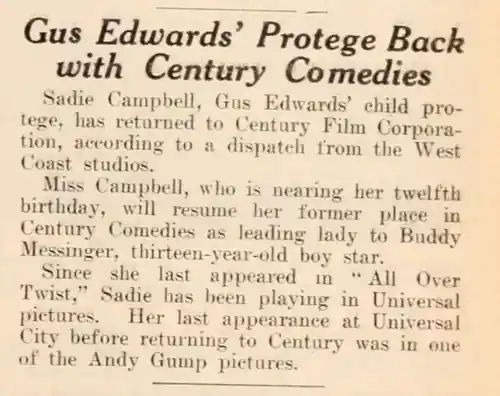
13-year old Buddy (Buddy Messinger) woos his 12-year old girlfriend (Sadie Campbell) in this juvenile comedy vehicle for Messinger. Buddy uses his carriage led by Maudie (Maude, the Mule) to pick up the girl for a lunch date. Jealous of Buddy's attention to his girlfriend, Maudie decides to lie down instead of pull the carriage. When it's obvious that the animal won't behave, Maudie ends up inside of the girlfriend's house where her brother (Fred Spencer) unsuccessfully tries to get Maudie out of the dining room. Horrified guests look on as the animal wreaks havoc. The next act has Buddy at a bakery/restaurant owned by his father (Jack Henderson). Physical comedy scenes in the kitchen and Buddy serving as a busboy result in misadventures, including fun with pies. The film's final sequence finds Buddy having success as he uses a giant balloon to finally get some quality time with his girlfriend as they sail off to parts unknown.
Decades after its release, All Over Twist remains a vital piece of the cinematic puzzle. Its influence can be seen in countless modern works, solidifying Harry Edwards's status as a master of the craft in United States and beyond.