
DbcultAccessing Vault...
Director's Spotlight
Senior Film Conservator
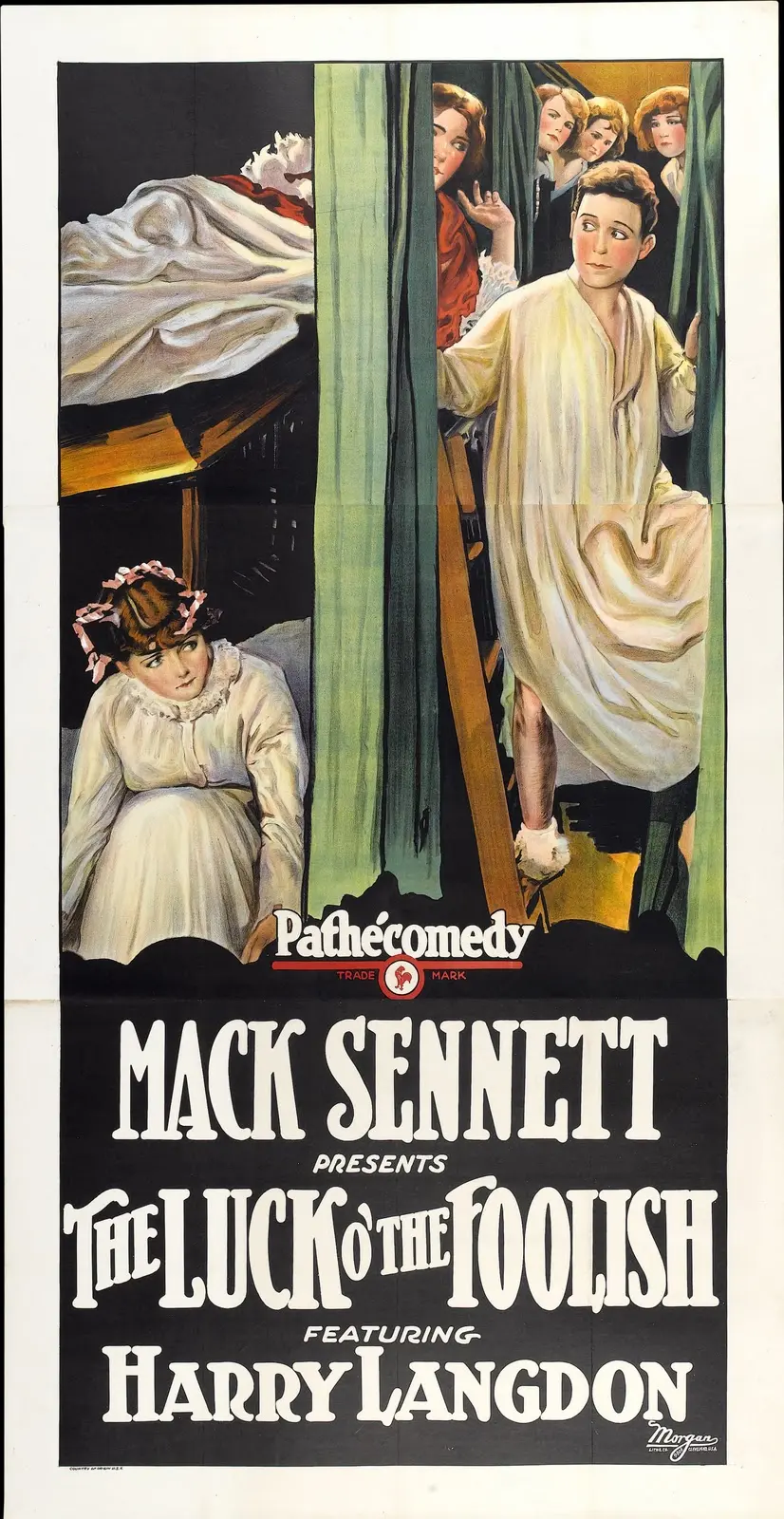
Director's Spotlight: United States
A Deep Dive into the 1924 Vision of Harry Edwards
In the storied career of Harry Edwards, The Luck o' the Foolish stands as a the provocative questions that Harry Edwards poses to the United States audience. Elevating the source material through Harry Edwards's unique vision, it persists as a haunting reminder of our own cinematic history.
In The Luck o' the Foolish, Harry Edwards pushes the boundaries of conventional narrative. The film's unique approach to its subject matter has sparked endless debates and interpretations among cinephiles and critics alike.
To fully appreciate The Luck o' the Foolish, one must consider the cinematic climate of 1924. During this period, United States was undergoing significant artistic shifts, and Harry Edwards was at the forefront of this Short movement, often challenging established norms.
| Cinematography | Noir-Inspired |
| Soundtrack | Synth-Heavy |
| Editing | Disjunctive |
| Art Direction | Baroque |
Visualizing the convergence of Harry Edwards's style and the core Short narrative.
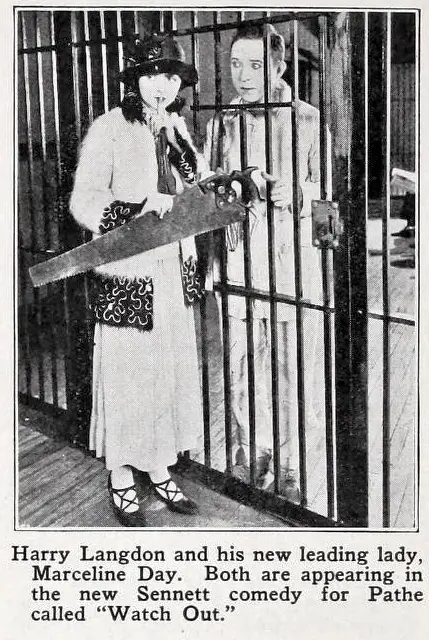
Harry and Marcie are on a train headed for a new job. There's comedy in the berths and during Harry's morning shave, then a thief steals the money Harry needed for his new job, so he must go back to being a beat cop and Marcie works as a seamstress. One evening she delivers a dress to a party and a Lothario asks the hostess to get Marcie to stay. Outside the same house, Harry the cop is investigating strange noises. Thieves, bombs, a wallet, a swimming pool, and misunderstandings figure in the luck of our foolish but winsome pair.
Decades after its release, The Luck o' the Foolish remains a vital piece of the cinematic puzzle. Its influence can be seen in countless modern works, solidifying Harry Edwards's status as a master of the craft in United States and beyond.