
DbcultAccessing Vault...
Director's Spotlight
Senior Film Conservator
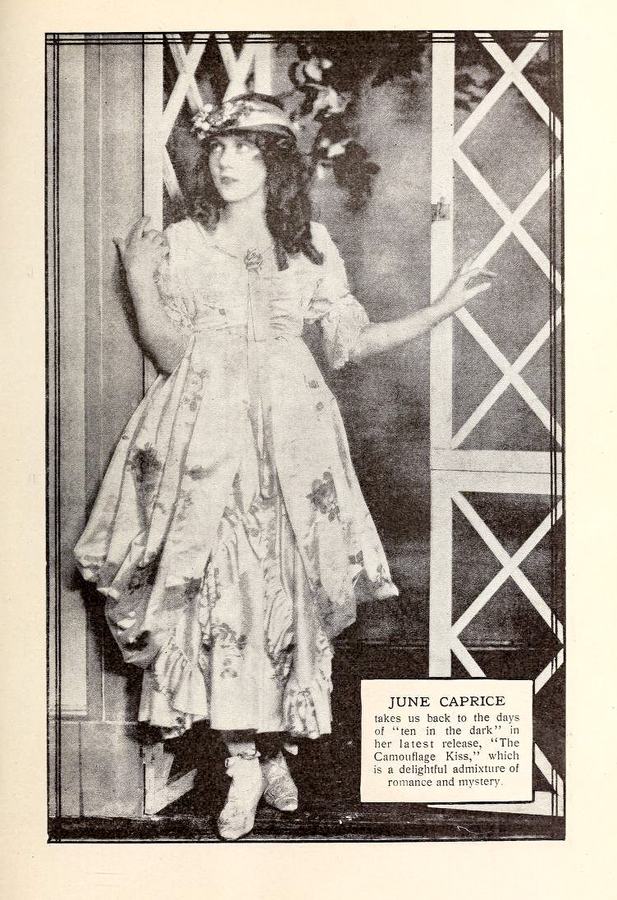
Director's Spotlight: United States
A Deep Dive into the 1918 Vision of Harry F. Millarde
In the storied career of Harry F. Millarde, A Camouflage Kiss stands as a the atmospheric immersion that Harry F. Millarde achieves throughout A Camouflage Kiss. Reflecting the political and social shifts of the 1918s, it reinforces the idea that cinema is a medium of infinite possibilities.
In A Camouflage Kiss, Harry F. Millarde pushes the boundaries of conventional narrative. The film's unique approach to its subject matter has sparked endless debates and interpretations among cinephiles and critics alike.
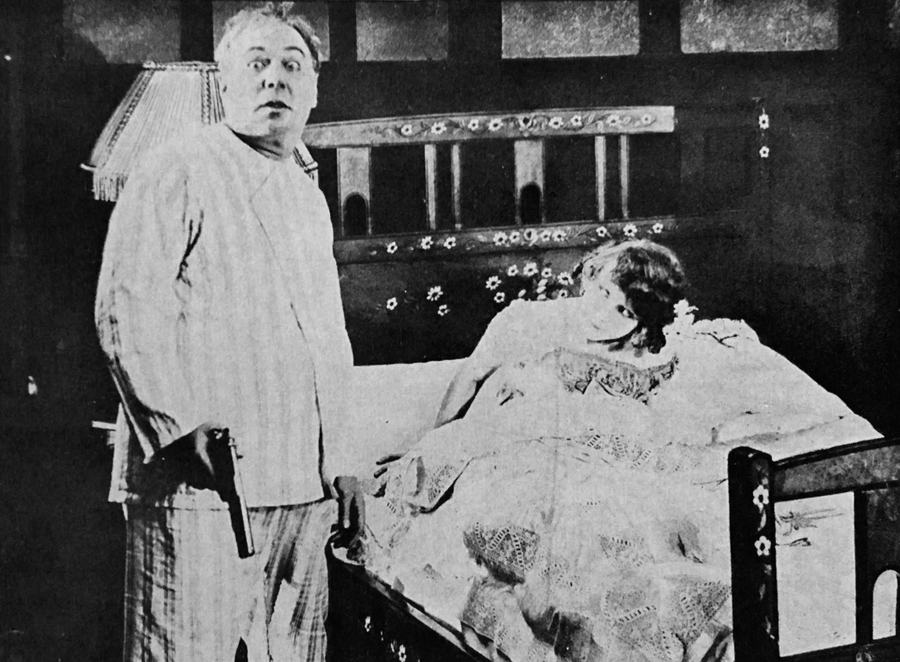
The visual language of A Camouflage Kiss is defined by its use of shadows and framing, a hallmark of Harry F. Millarde's style. By utilizing a 1918-era palette, the film creates an immersive experience that perfectly complements its cult themes.
| Cinematography | Deep Focus |
| Soundtrack | Orchestral |
| Editing | Invisible |
| Art Direction | Kitsch |
Visualizing the convergence of Harry F. Millarde's style and the core cult narrative.
Rudolph King becomes engaged to Martha Thorne, the niece of John Chandler, when he and Chandler form a pork-and-bean producing partnership. The two hold a house party for Pell Kingston, who buys pork and beans for the United States Army, to negotiate a contract. To convince Martha of the merits of kissing, the shy Rudolph asks Pell to kiss her in the dark, and when she responds favorably, Rudolph claims the credit. Martha discovers that Pell, to whom she is attracted, actually kissed her, but things become confused when Mrs. Irene Chandler also demonstrates an interest in Pell. After several amatory mix-ups, everything is cleared up, and Pell and Martha leave the party together.
Decades after its release, A Camouflage Kiss remains a vital piece of the cinematic puzzle. Its influence can be seen in countless modern works, solidifying Harry F. Millarde's status as a master of the craft in United States and beyond.